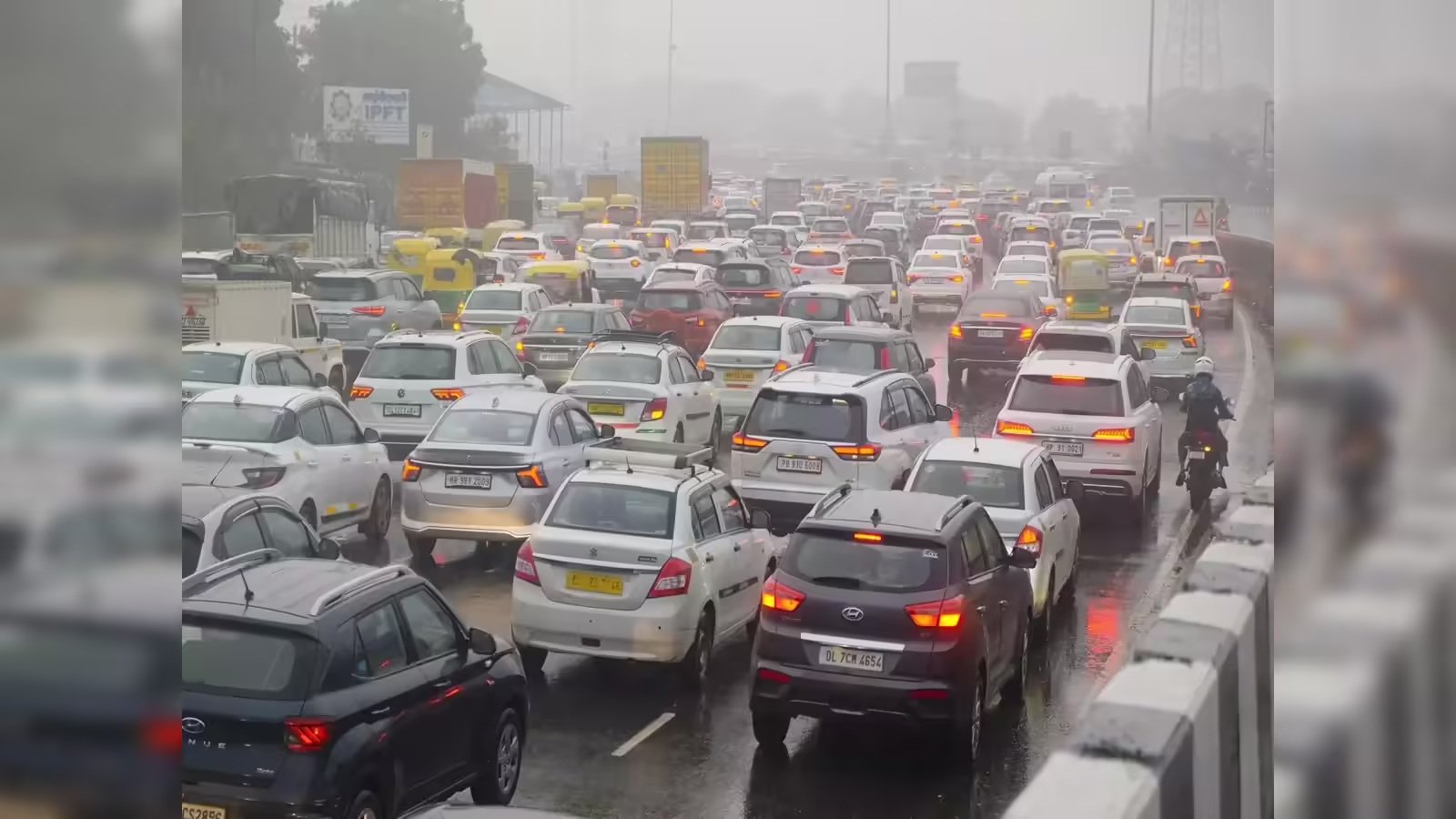
A sudden spell of rainfall and overcast skies brought an unseasonal dip in temperatures across Gurugram, offering short-term relief from rising pre-summer heat while underscoring the growing variability in urban weather patterns. Early morning showers across multiple parts of the district lowered daytime temperatures to around 18 degrees Celsius, significantly below typical mid-March levels. The shift, driven by a western disturbance affecting north-west India, also introduced gusty winds and high humidity, creating cooler conditions more commonly associated with late winter.
Rainfall was recorded across key administrative zones, with relatively higher precipitation in peri-urban areas compared to central parts of the city. While the intensity remained moderate, the spatial spread highlights how weather systems are increasingly influencing both urban cores and expanding suburban clusters within the National Capital Region. From an urban planning perspective, such weather events carry mixed implications. On one hand, the Gurugram weather shift provided temporary respite from heat stress and contributed to a marginal improvement in air quality levels, as rainfall helps suppress dust and airborne pollutants. On the other, intermittent showers combined with wind activity can expose vulnerabilities in drainage infrastructure, particularly in areas prone to water accumulation. Meteorological officials have placed the region under a cautionary alert, indicating the likelihood of continued cloud cover, light rain, and isolated thunderstorms in the short term. Wind speeds are expected to remain elevated during storm activity, which could affect visibility and traffic movement, especially along arterial roads and construction-heavy corridors.
Urban climate experts note that such fluctuations are becoming more frequent, reflecting broader shifts in regional weather behaviour. Transitional months like March are increasingly marked by abrupt swings between heat and cooler conditions, complicating planning for both civic agencies and residents. These patterns can influence energy demand, water management, and public health responses in rapidly urbanising environments. For infrastructure systems, even light rainfall events can act as stress tests. In Gurugram, where rapid development has often outpaced drainage capacity, episodic showers can lead to temporary disruptions. Experts suggest that integrating climate-responsive design—such as improved stormwater networks and permeable surfaces—will be essential to manage such variability more effectively. Forecasts indicate that the current cool spell will be short-lived, with temperatures expected to rise steadily over the coming days as weather systems stabilise. By early next week, the city is likely to return to typical pre-summer conditions, with warmer days and reduced chances of precipitation.
While brief, the episode highlights the dual role of rainfall in urban environments—as both a mitigating factor for pollution and heat, and a reminder of the need for resilient infrastructure. As cities like Gurugram continue to expand, adapting to increasingly unpredictable weather patterns will remain central to sustainable urban development strategies.