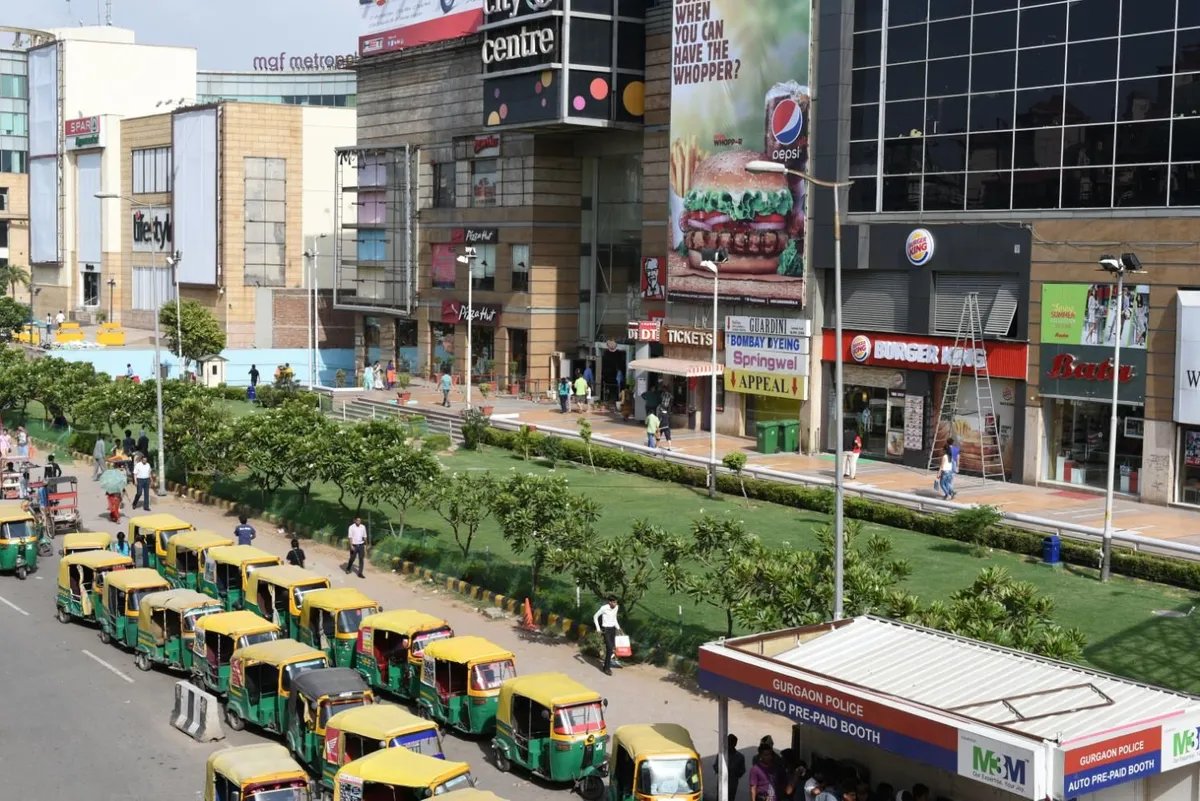
Civic authorities in Gurugram have scaled up a city-wide infrastructure push, with over 100 road projects currently underway, signalling a shift towards integrated planning that combines mobility upgrades with environmental management. The Municipal Corporation is overseeing 108 road upgrades spanning more than 240 kilometres, covering a mix of standard resurfacing works, redesigned model corridors, and stretches linked to air quality compliance measures. The scale of the programme reflects mounting pressure on urban infrastructure in one of the fastest-growing cities in the National Capital Region.
At the core of the initiative is a targeted effort to reduce dust emissions—one of the key contributors to poor air quality—through the paving of nearly 70 kilometres of road length. Officials indicate that greening interventions are also being introduced alongside these works, including the development of vegetated central verges and roadside plantations, aimed at acting as natural dust barriers. Urban planners note that such measures represent a gradual move towards multi-functional road design, where transport corridors are treated not only as mobility assets but also as environmental infrastructure. The integration of green belts and permeable surfaces can help reduce particulate pollution while contributing to urban cooling. A significant portion of the programme is focused on developing “model roads” equipped with upgraded infrastructure. These corridors are expected to include pedestrian pathways, universal access features such as ramps, improved street lighting, and underground utility networks. Experts say this reflects a broader attempt to align road design with people-first planning, where accessibility and safety are prioritised alongside traffic flow. The Gurugram road upgrades also address a long-standing structural issue: waterlogging. Dozens of identified stretches prone to flooding are being redesigned with improved drainage systems and recalibrated road gradients to ensure effective stormwater discharge during monsoon months.
In a city where rapid construction has often outpaced drainage planning, such interventions are seen as critical for climate resilience. Technology is being deployed to support planning and execution. Geographic Information System mapping has been used to identify corridors suitable for greening and to optimise infrastructure placement. At the same time, digital grievance platforms are being leveraged to track citizen complaints and prioritise maintenance needs, with officials reporting gradual improvements in response timelines. Industry observers caution, however, that execution quality and inter-agency coordination will determine long-term outcomes. Road infrastructure in Gurugram has historically faced challenges from frequent utility cuts and inconsistent maintenance practices. Ensuring durability will require stricter oversight of contractors and better alignment between departments managing utilities, drainage, and roadworks. From an economic standpoint, the Gurugram road upgrades are likely to enhance connectivity across residential and commercial zones, supporting real estate value and business activity. Yet, the emphasis on environmental compliance and inclusive design also signals a broader transition in how urban infrastructure is being conceptualised.
As implementation progresses, the initiative could serve as a test case for balancing rapid urban growth with sustainability goals. The coming monsoon season, in particular, will offer an early indicator of whether the redesigned corridors can withstand climate pressures while improving everyday mobility.