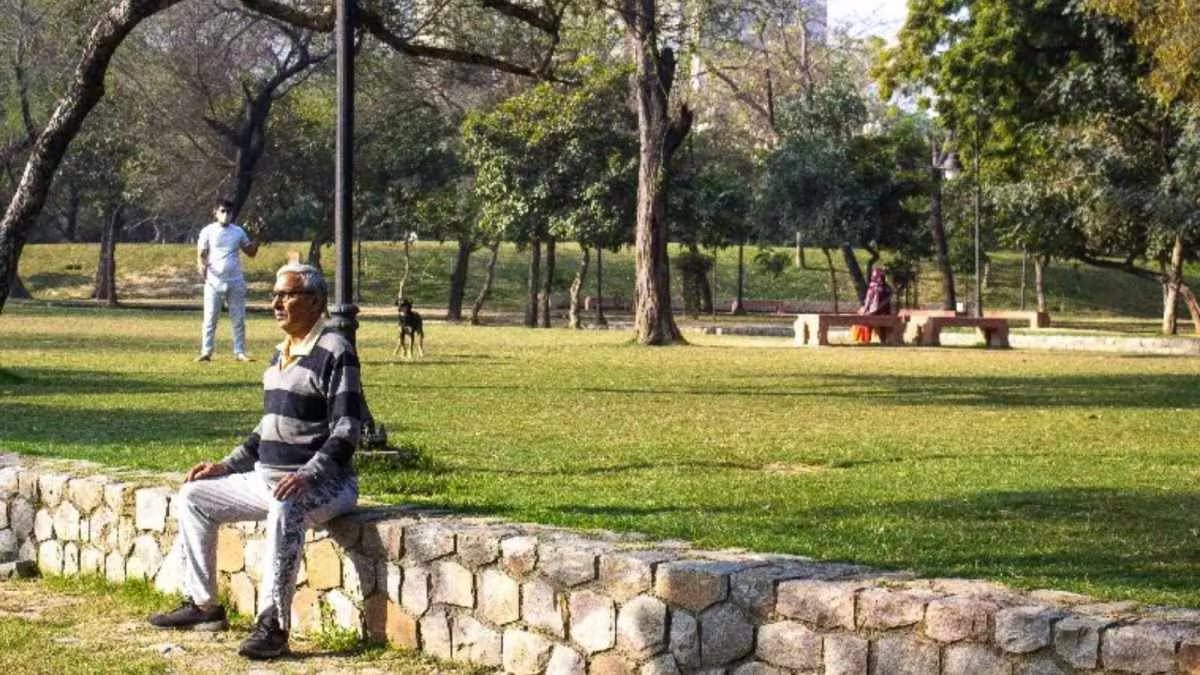
Delhi Upgrades Neighbourhood Parks Ahead Of Summer Heat
As temperatures begin to climb across the capital, authorities in Delhi have initiated a targeted programme to upgrade neighbourhood parks in densely populated settlements, aiming to improve liveability and reduce heat stress in vulnerable urban pockets. The effort, led by the city’s shelter and urban services agency, focuses on revitalising underused green spaces in informal and high-density areas where access to quality public infrastructure remains limited. By improving soil conditions, introducing landscaping, and expanding tree cover, the initiative is positioned as both a climate response and a public health intervention.
Work is currently underway across multiple clusters, including settlements in west and north-west Delhi, with additional locations expected to be taken up in phases. Officials involved in the programme indicate that the approach prioritises restoring existing assets rather than building new ones, enabling faster deployment while minimising land-use pressures in already congested neighbourhoods. Urban planners note that such interventions play a critical role in mitigating the urban heat island effect, particularly in low-income areas where built density is high and vegetation cover is scarce. Enhancing green infrastructure in these zones can reduce ambient temperatures, improve air quality, and create inclusive community spaces that support both social interaction and physical activity. The technical strategy centres on improving soil health through organic inputs, followed by structured landscaping to ensure long-term plant survival. The plantation plan includes a mix of shade-providing trees, shrubs, and ground cover, alongside the development of grassed areas to stabilise soil and reduce dust levels.
Experts say the use of climate-adaptive species will be key to ensuring resilience against extreme heat and irregular rainfall patterns. From an urban development perspective, the initiative reflects a broader shift towards decentralised climate adaptation, where micro-level interventions complement city-wide infrastructure planning. By focusing on neighbourhood parks, the programme aligns with emerging policy thinking that emphasises distributed green networks rather than isolated flagship projects. However, challenges remain around maintenance and long-term governance. Analysts highlight that without sustained funding and community involvement, improvements in public spaces can deteriorate over time. Ensuring local participation in upkeep, along with institutional accountability, will be essential to preserve the benefits of the current upgrades. The programme also intersects with wider goals of equitable urban development. Access to functional green spaces is often unevenly distributed in cities, with marginalised communities facing the greatest deficits. Strengthening park infrastructure in these areas not only addresses environmental concerns but also supports social equity by improving everyday living conditions.
As Delhi braces for another intense summer, the success of this initiative will likely depend on how effectively it integrates environmental planning with community needs. If scaled and maintained, such neighbourhood-level interventions could offer a replicable model for climate-resilient urban design across rapidly growing Indian cities.