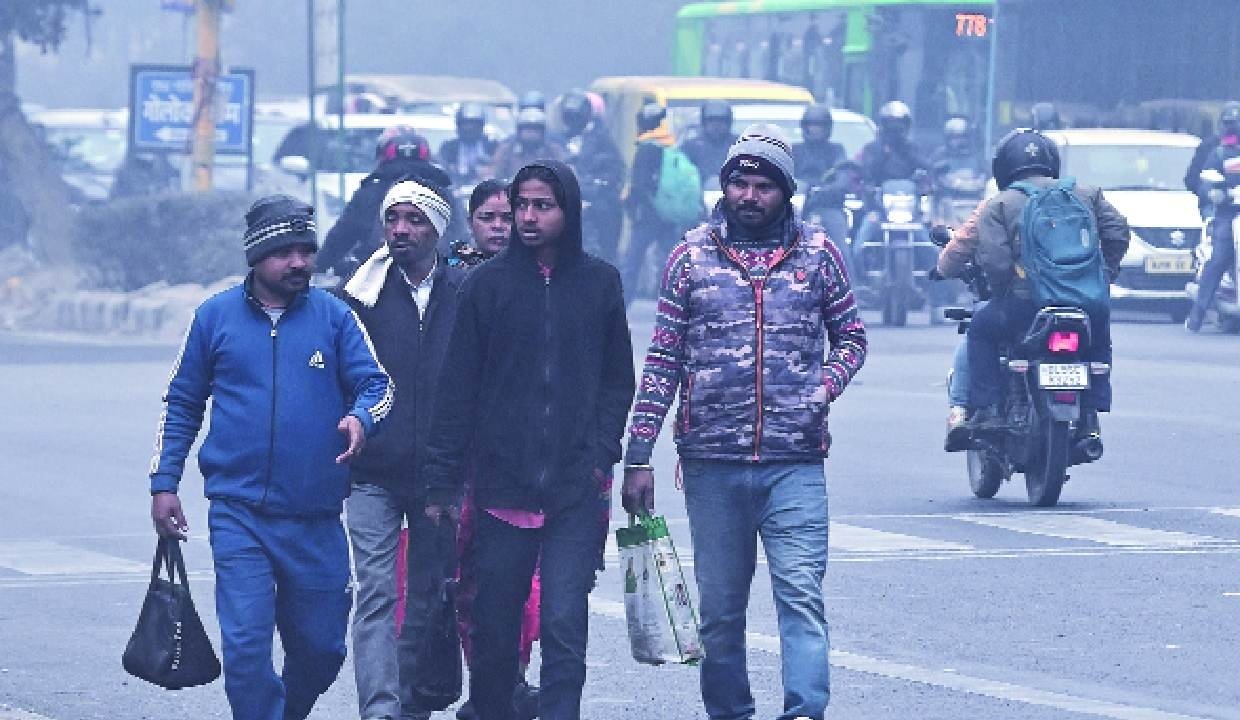
A sharp shift in weather patterns has delivered an unusual combination of lower temperatures and improved air quality in Delhi, with the city recording its coldest March day in several years alongside a rare phase of “satisfactory” pollution levels. The development highlights how short-term climatic events continue to influence environmental conditions in one of the world’s most polluted urban regions. Meteorological data shows that daytime temperatures dropped significantly below seasonal averages, marking an uncommon cooling trend for late March. At the same time, the Air Quality Index (AQI) fell below the 100 mark, placing Delhi air quality in the “satisfactory” category for the first time in months. This dual improvement follows sustained rainfall and strong winds that helped disperse airborne pollutants.
Across various monitoring stations, temperatures remained consistently lower than normal, reinforcing the scale of the weather anomaly. Rainfall accumulation over recent days has also made this one of the wetter March periods in recent years. While such conditions offer immediate comfort to residents, environmental analysts caution that these gains are largely weather-driven and not indicative of structural improvements in Delhi air quality. Experts explain that rainfall plays a critical role in reducing particulate matter by washing pollutants out of the atmosphere, while wind movement aids in dispersal. However, once these conditions subside, pollution levels tend to rebound due to persistent emission sources such as vehicular traffic, construction activity and regional industrial output. This cyclical pattern has long defined Delhi air quality trends, particularly during seasonal transitions. From a public health perspective, the temporary improvement provides relief, especially for sensitive groups vulnerable to respiratory stress.
Yet, urban planners stress that reliance on favourable weather underscores deeper systemic gaps in pollution control. Sustainable improvement requires consistent emission reductions rather than episodic atmospheric cleansing. Forecasts suggest that the current phase may be short-lived, with air quality expected to return to the “moderate” category as weather conditions stabilise. Rising temperatures and reduced wind speeds could gradually increase pollutant concentration, reversing recent gains. This reinforces the need for integrated urban strategies that combine climate-responsive planning with strict regulatory enforcement. Policy experts highlight that long-term solutions must include cleaner transport systems, stricter dust management protocols and expansion of green infrastructure. Enhancing urban resilience through better land use planning and reducing dependency on fossil fuels are also critical to stabilising Delhi air quality over time.
The recent improvement offers a glimpse of what cleaner air could look like, but it also serves as a reminder that lasting change will depend on sustained policy action rather than temporary weather relief.