


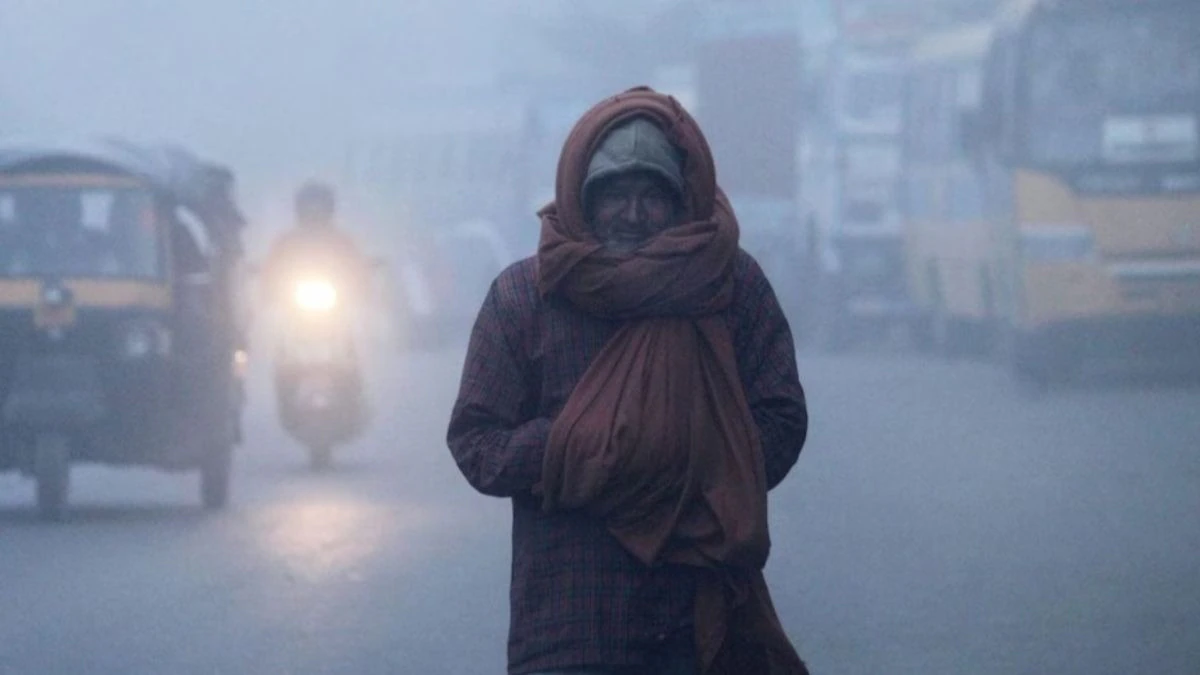
A brief spell of rainfall and shifting wind patterns has led to a measurable improvement in air quality across Delhi, offering short-term relief to residents and highlighting the city’s ongoing dependence on meteorological changes to manage pollution levels. Official monitoring data placed the Air Quality Index (AQI) in the “moderate” category, signalling improved but still cautious environmental conditions. Across multiple monitoring stations, pollution levels showed a noticeable dip, with several high-density zones reporting AQI values within a similar range. While the improvement has eased immediate health concerns, urban planners and environmental analysts point out that such gains remain temporary without structural interventions.
The current Delhi air quality pattern continues to fluctuate in response to weather events rather than sustained emission control. The shift follows rainfall accompanied by strong surface winds, which helped disperse particulate matter and reduce pollutant concentration in the lower atmosphere. Experts note that such conditions enhance atmospheric mixing, effectively diluting pollutants. However, they caution that the underlying sources—vehicular emissions, construction dust, and regional biomass burning—remain unchanged. From a public health standpoint, “moderate” air quality still carries implications for vulnerable populations. Individuals with respiratory or cardiovascular conditions may experience discomfort, indicating that even improved Delhi air quality requires careful monitoring. This underscores the importance of long-term urban strategies rather than episodic environmental relief. Forecasts suggest that weather variability will continue over the coming days, with intermittent cloud cover and gradual temperature increases.
As wind speeds decline and temperatures rise, pollution levels may again stabilise or worsen, reflecting a recurring seasonal cycle. This pattern reinforces concerns around climate-sensitive urban systems, where environmental outcomes are closely tied to short-term atmospheric behaviour. Urban policy specialists argue that improving Delhi air quality sustainably will require coordinated interventions across transport, energy, and land-use planning. Expanding clean mobility infrastructure, enforcing dust control measures, and accelerating the transition to low-emission fuels are seen as critical steps. Additionally, integrating climate resilience into city planning—such as increasing green cover and promoting compact urban development—can help mitigate long-term pollution risks.
The recent improvement offers a reminder of how quickly air conditions can change under favourable weather, but it also highlights the fragility of such gains. As the city moves into warmer months, maintaining better Delhi air quality will depend less on rainfall and more on systemic reforms that address pollution at its source.
Also read : Delhi Expands School Sports Infrastructure With New Facility
Delhi Air Quality Improves After Rainfall Relief
