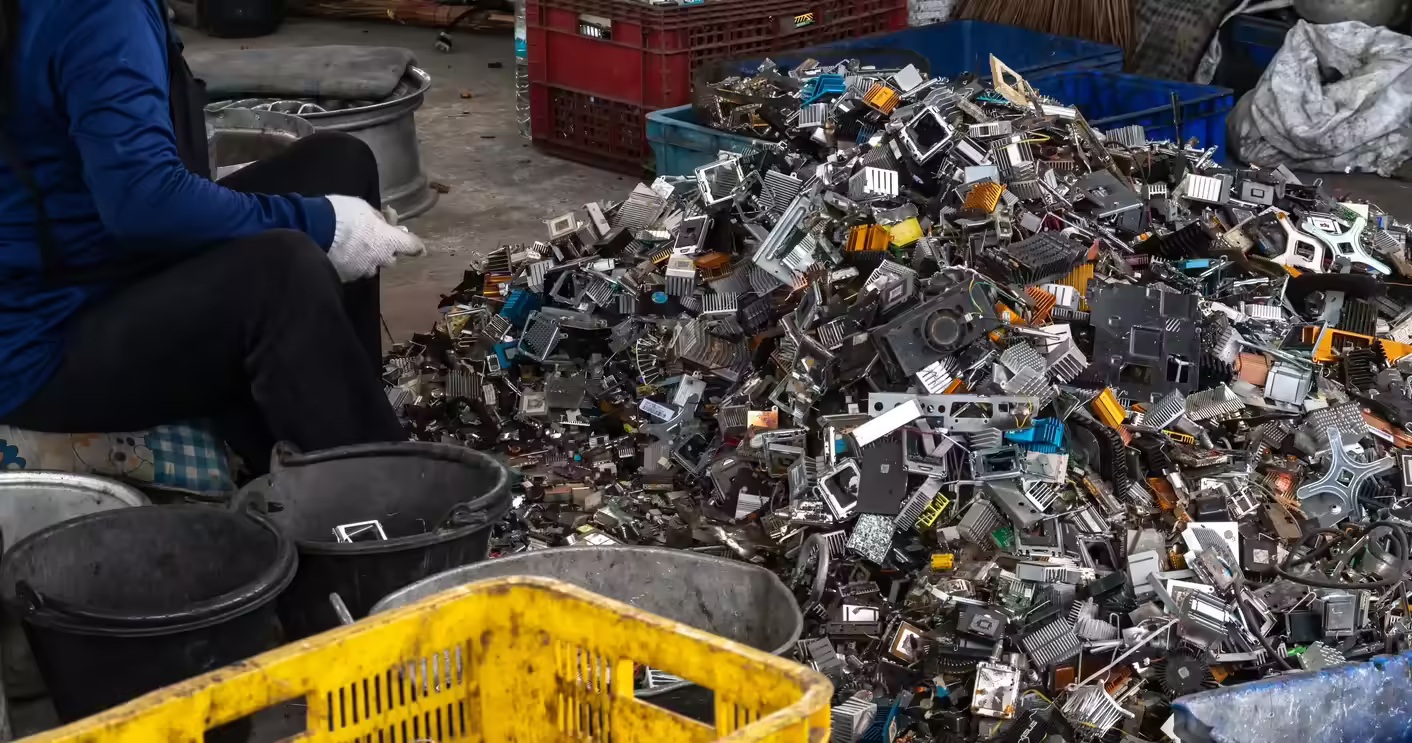
Delhi Faces Rising E Waste Crisis From Device Replacement
Delhi’s mounting electronic waste challenge is being intensified by a steady shift in consumer behaviour, with more households opting to replace devices rather than repair them. The trend, observed across income groups, is contributing to a growing e waste crisis in one of India’s largest urban consumption hubs, raising concerns for both environmental sustainability and resource efficiency. A recent assessment of repair accessibility and consumer preferences indicates that multiple barriers are discouraging repair as a viable option. High servicing costs, limited availability of manufacturer-approved spare parts and inconsistent service quality have collectively weakened trust in the repair ecosystem. As a result, many consumers are choosing new purchases over extending the life of existing products.
Despite the presence of long-established repair markets in parts of the city, structural challenges persist. Independent technicians often rely on non-standard components due to restricted access to original parts, affecting both performance and durability of repairs. Industry observers note that this undermines consumer confidence, creating a cycle where reduced trust further accelerates the e waste crisis by pushing users towards replacement. The issue also highlights gaps in skill development and technological adaptation within the repair sector. Many technicians operate through informal training systems, with limited exposure to modern electronics or advanced diagnostic tools. As devices become more complex, the lack of formal upskilling pathways is making it increasingly difficult for local repair services to keep pace with evolving technologies. From an urban sustainability perspective, the decline of repair culture has significant implications. Electronic waste contains hazardous materials that can contaminate soil and water if not handled properly. At the same time, discarded devices represent a loss of valuable resources, including metals and components that could otherwise be reused or recycled. Experts argue that strengthening repair ecosystems is essential for building circular economies within cities.
Policy analysts suggest that enabling easier access to genuine spare parts, promoting standardised repair practices and introducing certification systems for technicians could help restore confidence in the sector. There is also growing discussion around “right to repair” frameworks, which aim to ensure that consumers and independent service providers can maintain and extend the lifespan of products. For the real estate and infrastructure sectors, the implications extend beyond waste management. Efficient handling of electronic waste requires dedicated collection systems, recycling facilities and integration with urban planning frameworks. Cities like Delhi, which generate large volumes of discarded electronics, will need to invest in both formal recycling infrastructure and decentralised solutions to manage the load sustainably.
As consumption patterns continue to evolve, reversing the current trajectory will require coordinated action from policymakers, manufacturers and service providers. Without such interventions, the e waste crisis could deepen, posing long-term environmental and economic challenges for rapidly urbanising regions.