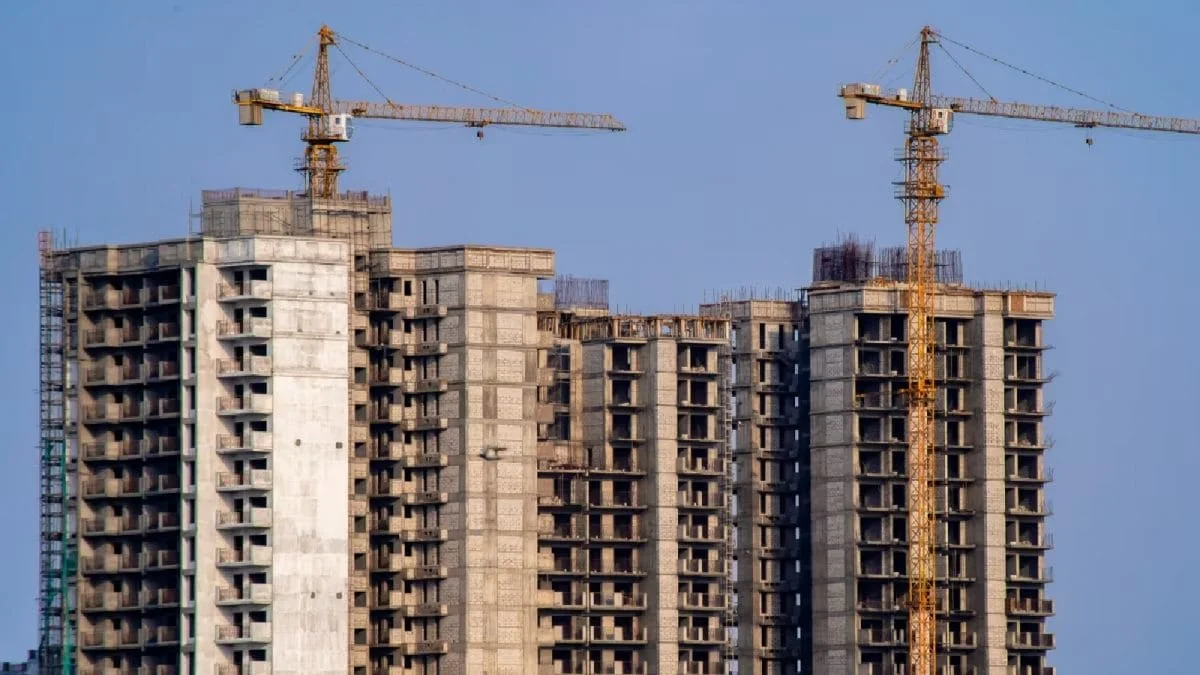
Delhi Relaxes Infrastructure Charges To Boost Construction
Delhi has introduced a key policy shift aimed at unlocking stalled construction activity by easing upfront financial requirements tied to utility approvals. The decision to allow partial payment of infrastructure charges at the initial stage of project clearances is expected to improve liquidity for developers and homeowners while accelerating building activity across the city. Under the revised framework, applicants seeking approvals for water and sewer connections can now obtain provisional clearances by paying a fraction of the total infrastructure charges. The remaining amount will be recovered in phases, linked to usage and billing cycles. Officials say the move addresses a long-standing concern around high entry costs that often delayed or discouraged smaller projects.
Urban development experts note that infrastructure charges—levied to support water supply and sanitation networks—have traditionally been structured as upfront payments. While this ensures cost recovery for public utilities, it has also created bottlenecks, particularly for individual homeowners and small-scale builders with limited access to capital. By spreading payments over time, the new approach shifts the burden from initial investment to operational stages. The reform comes at a time when Delhi is seeking to balance growth with service delivery efficiency. Construction delays not only impact housing supply but also disrupt planned infrastructure integration, including water distribution and sewage management systems. A more flexible payment structure is expected to align project timelines with utility provisioning, reducing mismatches between built and serviced spaces. For the real estate sector, the easing of infrastructure charges could improve project viability, especially in lower and mid-income housing segments. Analysts suggest that reducing upfront costs may encourage formal construction activity, bringing more developments within regulatory frameworks.
This, in turn, can enhance compliance with environmental and service standards, including water efficiency and waste management practices. From a governance perspective, the shift reflects a broader move towards outcome-based urban management. Instead of relying solely on advance collections, authorities are increasingly linking revenue to actual consumption and service delivery. This model is seen as more adaptable in rapidly growing cities, where demand patterns can evolve quickly. However, experts caution that the success of such reforms will depend on implementation safeguards. Ensuring timely recovery of deferred charges, maintaining service quality, and preventing misuse of provisional approvals will be critical. Transparent monitoring systems and clear accountability mechanisms are likely to play a central role in sustaining the policy’s effectiveness. The initiative also intersects with larger sustainability goals. Efficient water and wastewater infrastructure is central to climate-resilient urban growth, particularly in water-stressed regions like Delhi. By enabling smoother project execution, the policy could support better integration of modern plumbing systems, recycling measures, and decentralised treatment solutions in new developments.
As the city moves forward with this recalibrated approach, the focus will be on whether reduced upfront infrastructure charges translate into faster project completions, improved housing supply, and more efficient urban service delivery. The outcome may shape how other Indian cities rethink the balance between cost recovery and development facilitation.