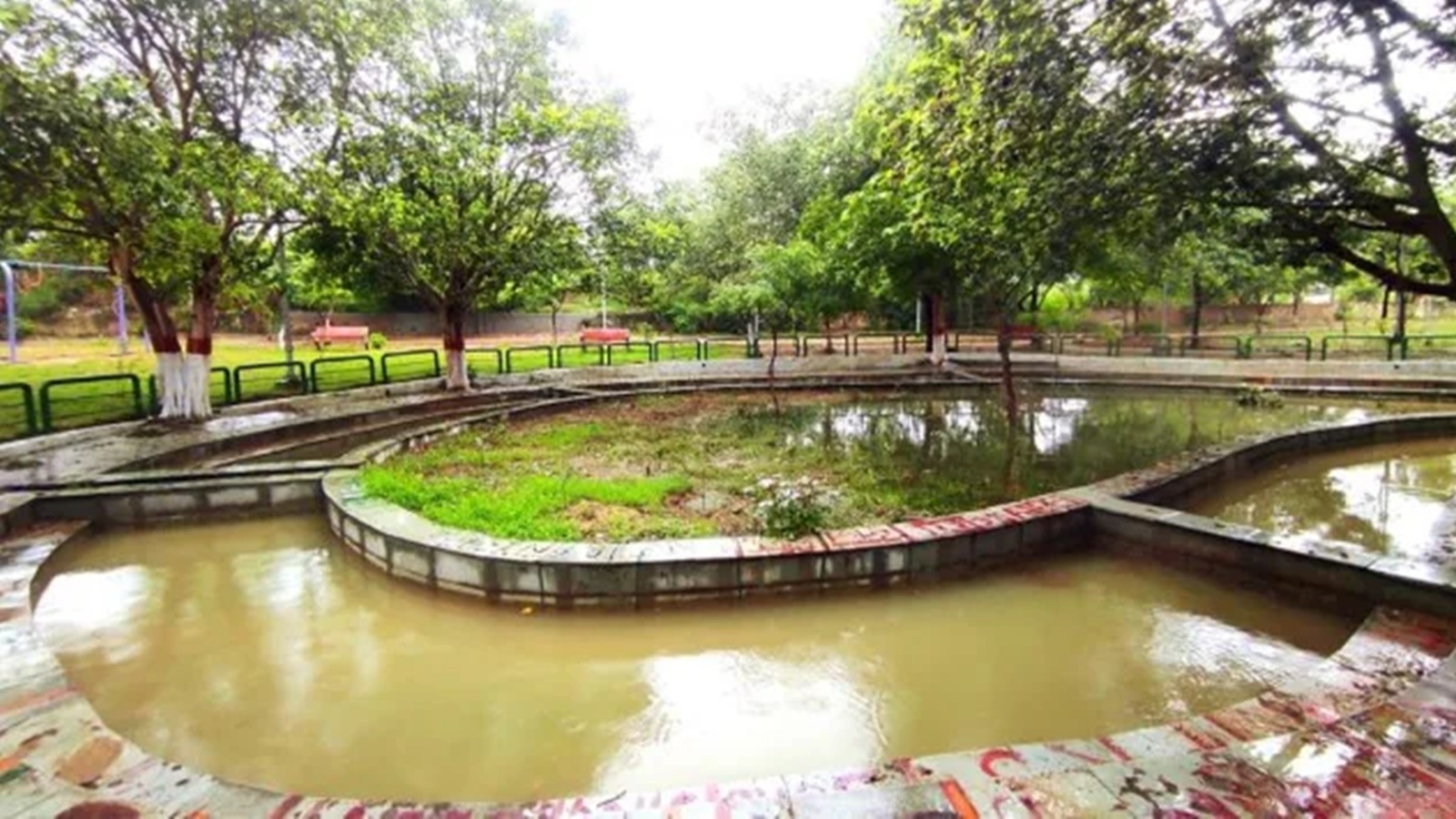
Delhi is preparing a city-wide transition in how its public green spaces are irrigated, with plans to replace groundwater use with treated wastewater across hundreds of parks. The initiative signals a structural shift in urban water management as the Capital confronts rising water stress, competing demand, and the environmental cost of over-extraction. A planning exercise is now underway to design an integrated system that channels treated water from sewage treatment plants (STPs) to parks, green belts, and landscaped areas. The proposed network will map both demand and supply, aligning irrigation needs with proximity to treatment facilities. Officials indicate that the effort will move beyond isolated reuse projects towards a standardised, city-level framework.
The push for treated water reuse comes at a time when Delhi’s dependence on groundwater remains high, particularly for non-potable uses such as horticulture. Urban planners note that landscaping accounts for a significant share of municipal water consumption, often drawing on fresh or underground sources that could be conserved for essential needs. By redirecting treated wastewater, the city can reduce pressure on aquifers while improving long-term water security. The planning process will involve assessing park-wise water requirements, designing distribution pipelines, and identifying infrastructure gaps. This includes pumping stations, storage systems, and upgrades to existing STPs to ensure consistent output quality. Experts say the success of such a system depends not only on engineering design but also on operational reliability, including real-time monitoring and maintenance protocols to prevent leakages and inefficiencies.
For the urban development ecosystem, the project reflects a broader shift towards circular water economies, where waste streams are repurposed rather than discarded. Industry observers highlight that treated water reuse has already gained traction in sectors such as construction and industrial cooling, and its expansion into public landscapes marks a natural progression. It also aligns with national and global frameworks promoting resource efficiency and climate resilience in cities. The economic implications are equally notable. While the initial capital investment in pipelines and treatment infrastructure may be substantial, long-term savings are expected through reduced groundwater extraction and lower energy costs associated with deep aquifer pumping. Additionally, the move could stimulate demand for water-tech solutions, including smart irrigation systems and decentralised treatment units. Delhi manages a vast network of parks and open spaces, many of which currently rely on groundwater. Transitioning these assets to treated water reuse could create a scalable model for other Indian cities facing similar challenges of water scarcity and rapid urbanisation.
As the plan progresses from design to execution, attention will likely shift to implementation timelines, funding structures, and institutional coordination. If delivered effectively, the initiative could redefine how Indian cities approach non-potable water use—prioritising sustainability while maintaining the quality and accessibility of public green spaces.