


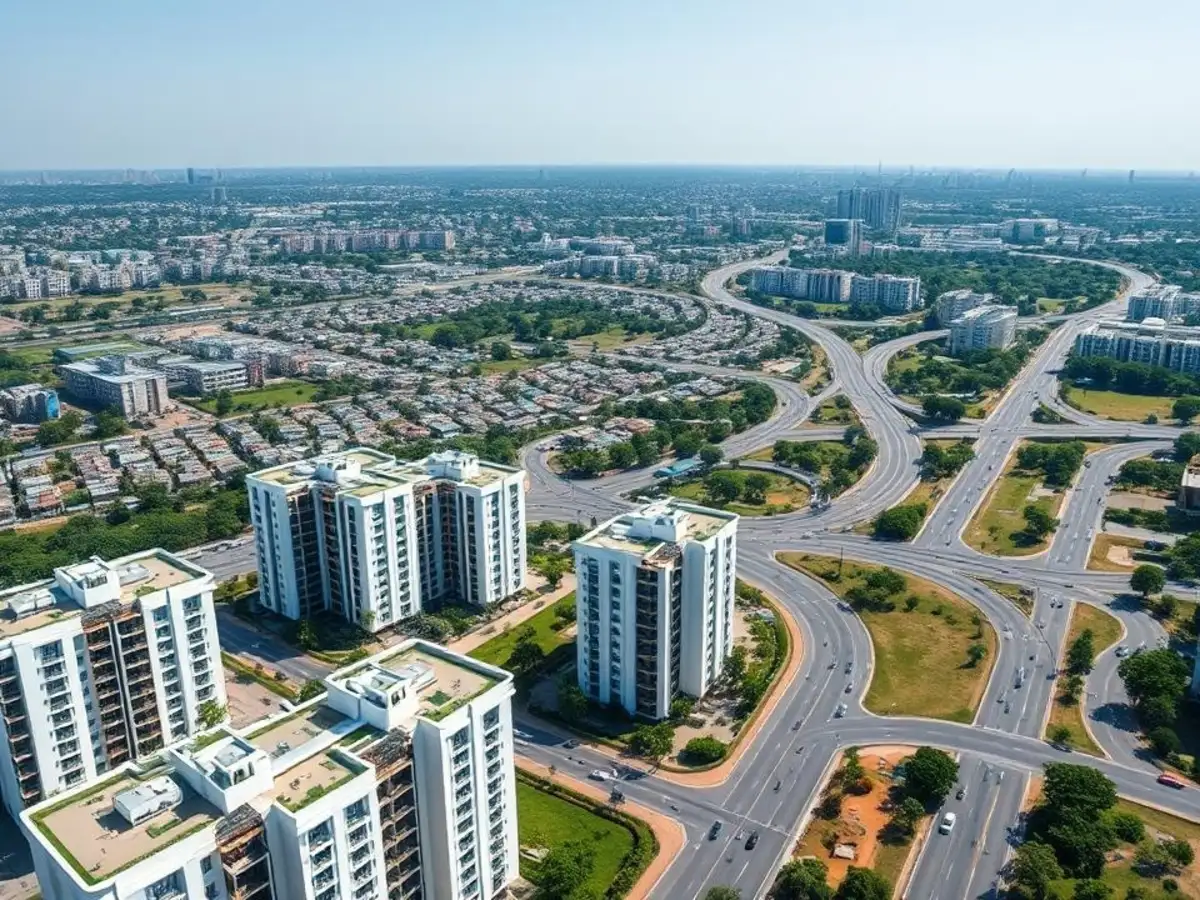
Nagpur’s approach to awarding public works contracts is facing renewed scrutiny as aggressive underbidding in municipal tenders raises concerns over the long-term reliability of urban infrastructure. The Nagpur civic tendering practices currently in focus highlight a growing tension between cost-driven procurement and the need for durable, climate-resilient assets. Recent contracting patterns indicate that several projects have been awarded at rates significantly below estimated costs, with contractors quoting steep discounts to secure work. While such competition can reduce immediate expenditure, engineers and urban planners warn that persistent undercutting may compromise construction quality and project timelines.
The Nagpur civic tendering practices issue has broader implications for a city undergoing steady expansion. As new infrastructure is built to support population growth and economic activity, the durability of these assets becomes critical. Roads, drainage systems, and civic facilities must withstand heavy usage and environmental stress, particularly in regions experiencing increasingly erratic weather patterns. Experts point out that bids far below cost estimates often rely on reduced input quality or deferred maintenance. Over time, this can lead to premature deterioration, requiring frequent repairs and increasing the overall lifecycle cost of infrastructure. In effect, short-term savings may translate into long-term financial and operational inefficiencies. The situation also intersects with climate resilience. Infrastructure built with compromised standards is less likely to endure extreme weather events such as intense rainfall or prolonged heat. For Nagpur, where seasonal variations can be significant, ensuring robust construction is essential to maintaining service continuity and public safety. Urban economists emphasise that procurement frameworks need to evolve beyond the lowest-bid model. Incorporating criteria such as technical expertise, past performance, and lifecycle costing can help ensure that projects deliver sustained value. Without such measures, cities risk creating infrastructure that fails to meet future demands. A senior official familiar with municipal processes indicated that there is growing recognition of the issue, with discussions underway on strengthening quality checks and supervision mechanisms. Enhanced oversight during project execution and stricter evaluation of bids are among the steps being considered. The Nagpur civic tendering practices debate also underscores the importance of transparency in public contracting. Clear guidelines, independent audits, and performance-based assessments can improve accountability and ensure that public funds are used effectively.
For residents and businesses, the quality of infrastructure directly affects daily life, from road conditions to water management. Ensuring that public works are built to last is therefore not just a technical requirement but a fundamental aspect of urban governance. As Nagpur continues to invest in its urban future, the choices made in procurement will shape the city’s built environment for years to come. Balancing affordability with durability remains the central challenge, requiring a shift towards more holistic and forward-looking tendering practices that prioritise long-term resilience over short-term cost savings.
ALSO READ – Nagpur Low Bid Tenders Raise Infrastructure Quality Risks
Nagpur Civic Tendering Practices Raise Infrastructure Risks
