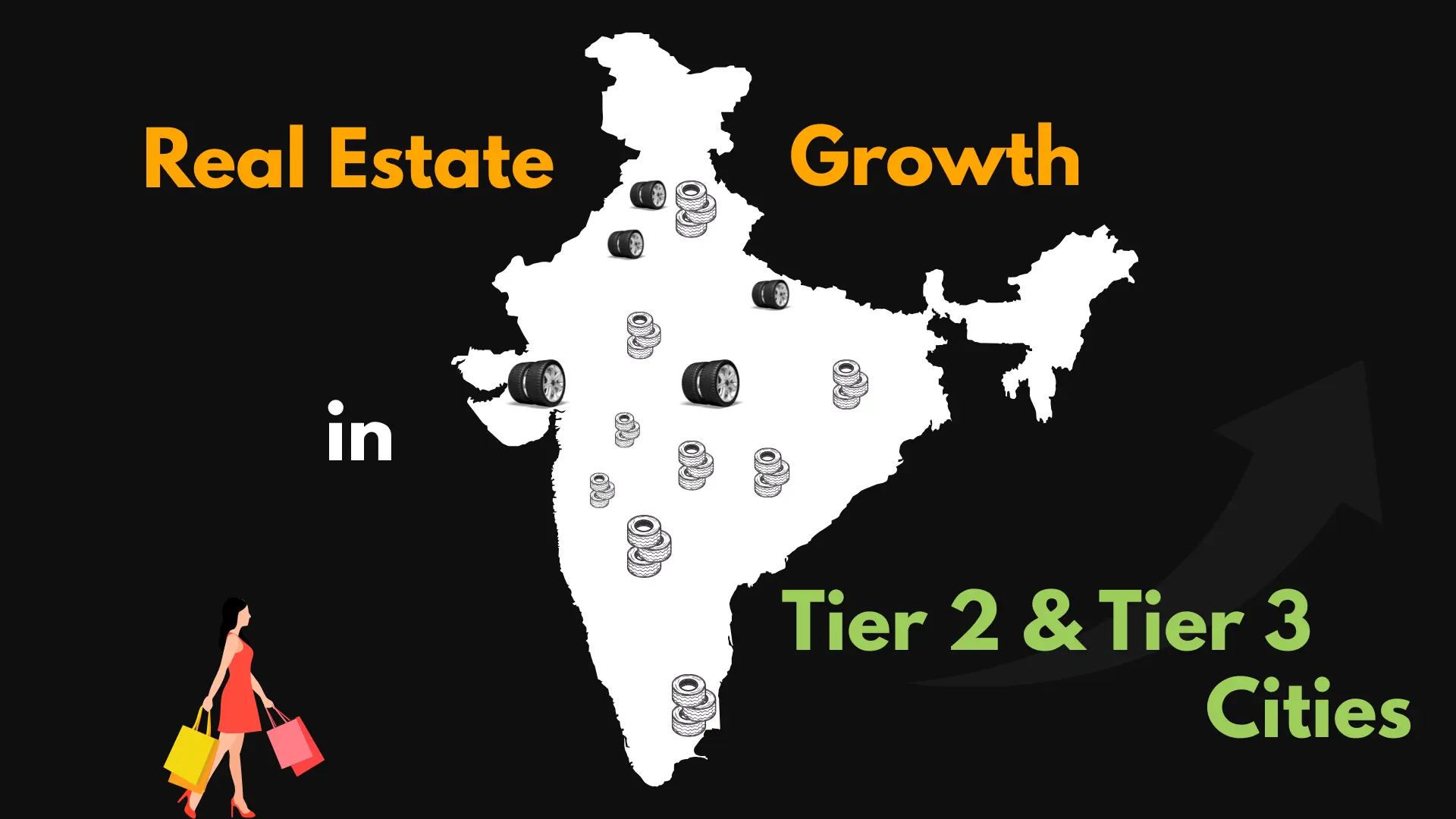
India Real Estate Growth Shifts To Tier Two Cities
India’s property market is entering a new phase in which growth is no longer concentrated in a handful of metropolitan centres, with tier-two and tier-three cities emerging as the primary drivers of new housing demand.
Industry reports released this month suggest that the India real estate growth in tier two cities trend is strengthening as infrastructure expansion, rising incomes and better access to housing finance reshape buyer preferences. Recent data shows that land values in several smaller urban markets could rise sharply over the next few years. A property-technology report indicates that land prices in emerging cities may increase by 25 to 100 per cent within two to four years, particularly in areas linked to new expressways, industrial corridors and airport projects. Analysts say this reflects the growing confidence of developers and investors that the next major growth cycle will be led by cities outside traditional metropolitan regions.
The shift is also visible in the housing-finance sector. A recent lending report found that tier-two and tier-three cities accounted for nearly two-thirds of total home-loan volumes in 2025, with an 81 per cent year-on-year increase—far higher than the growth recorded in large metropolitan markets. Cities such as Jaipur, Chandigarh, Surat and Madurai have emerged as major contributors to this expansion, reflecting broader home-ownership demand beyond the country’s biggest urban centres. At the same time, the real-estate pipeline itself is becoming more geographically diverse. Recent approvals of new projects in multiple states show that developers are increasingly launching housing and mixed-use developments in smaller cities where land costs remain relatively affordable and urban infrastructure is expanding rapidly. News reports in the past week alone highlight strong investment activity in cities such as Nashik and several districts across Uttar Pradesh, indicating that developers are preparing for long-term demand in emerging urban markets.
Urban-development experts say the trend has been building for several years but is now accelerating because of structural changes in the economy. Infrastructure projects such as expressways, logistics corridors and new airports are making it easier for professionals and businesses to operate outside major metros. At the same time, the high cost of housing in large cities has pushed many middle-income buyers to consider smaller urban centres where home ownership is still relatively affordable. The broader significance of the India real estate growth in tier two cities trend lies in how it is reshaping the country’s urban development model. Instead of concentrating growth in a few megacities, housing demand is gradually spreading across a wider network of emerging cities. This could reduce pressure on over-crowded metropolitan regions while creating new economic hubs in smaller urban centres.
If current momentum continues, the next phase of India’s real-estate cycle is likely to be defined not by the biggest cities but by the fastest-growing ones. For urban planners and policymakers, this means the challenge will not only be building more housing but also ensuring that smaller cities receive the infrastructure, public services and climate-resilient planning needed to support long-term, balanced urban growth.