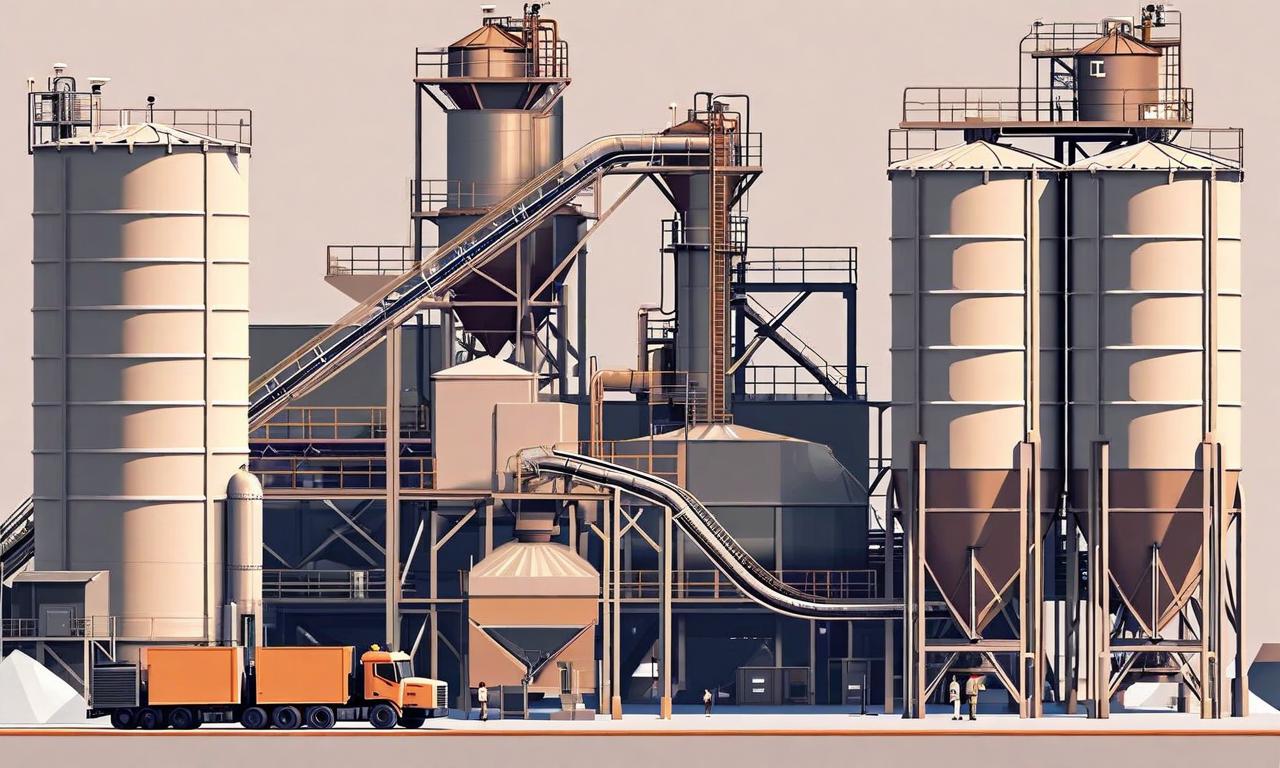
A capacity enhancement at a key cement unit in Karnataka is signalling steady demand from infrastructure and housing markets, as JK Cement has scaled up its Muddapur grinding operations to 4.5 million tonnes per annum (MTPA). The move, executed without new construction, reflects a growing industry shift towards efficiency-led expansion amid rising pressure on land, resources, and carbon footprints.
Located in Bagalkot district, the Muddapur facility has increased its grinding capacity by one MTPA through process optimisation and system upgrades. The clinker production capacity remains unchanged, indicating a strategic focus on maximising output from existing assets rather than undertaking greenfield development. Industry observers note that such upgrades are increasingly preferred as they minimise environmental disruption while improving operational throughput.
The expansion comes at a time when cement demand across southern India is being driven by a mix of public infrastructure works, urban housing projects, and industrial growth corridors. Karnataka, in particular, has seen sustained investment in road networks, logistics parks, and peri-urban development, all of which rely heavily on cement consumption. The cement grinding capacity increase is expected to strengthen regional supply chains and reduce logistical bottlenecks.
Urban planners highlight that while capacity additions support economic growth, they also bring attention to the environmental footprint of construction materials. Cement production is among the largest contributors to industrial carbon emissions, making efficiency improvements critical to aligning with India’s climate goals. By enhancing cement grinding capacity through debottlenecking rather than new plant construction, companies can reduce incremental energy use and land impact.
The Muddapur unit, operational since the late 2000s, was originally developed as an entry point into southern markets. Its integrated infrastructure, including captive power support, has enabled it to adapt to evolving production demands. Experts suggest that such legacy plants are now being re-engineered with digital monitoring systems, improved material handling, and energy-efficient technologies to meet both market and regulatory expectations.
From a market perspective, the expansion may also indicate confidence in medium-term demand stability despite fluctuations in input costs and global economic uncertainty. Cement producers are increasingly aligning capacity planning with regional demand clusters, rather than pursuing large-scale expansions that carry higher financial and environmental risks.
Looking ahead, the sector faces the dual challenge of meeting India’s urbanisation needs while transitioning towards low-carbon construction practices. Incremental capacity upgrades, blended cement adoption, and waste heat recovery systems are likely to shape the next phase of growth. For cities and communities, the emphasis will remain on ensuring that infrastructure expansion is not only rapid but also resource-efficient and environmentally responsible.