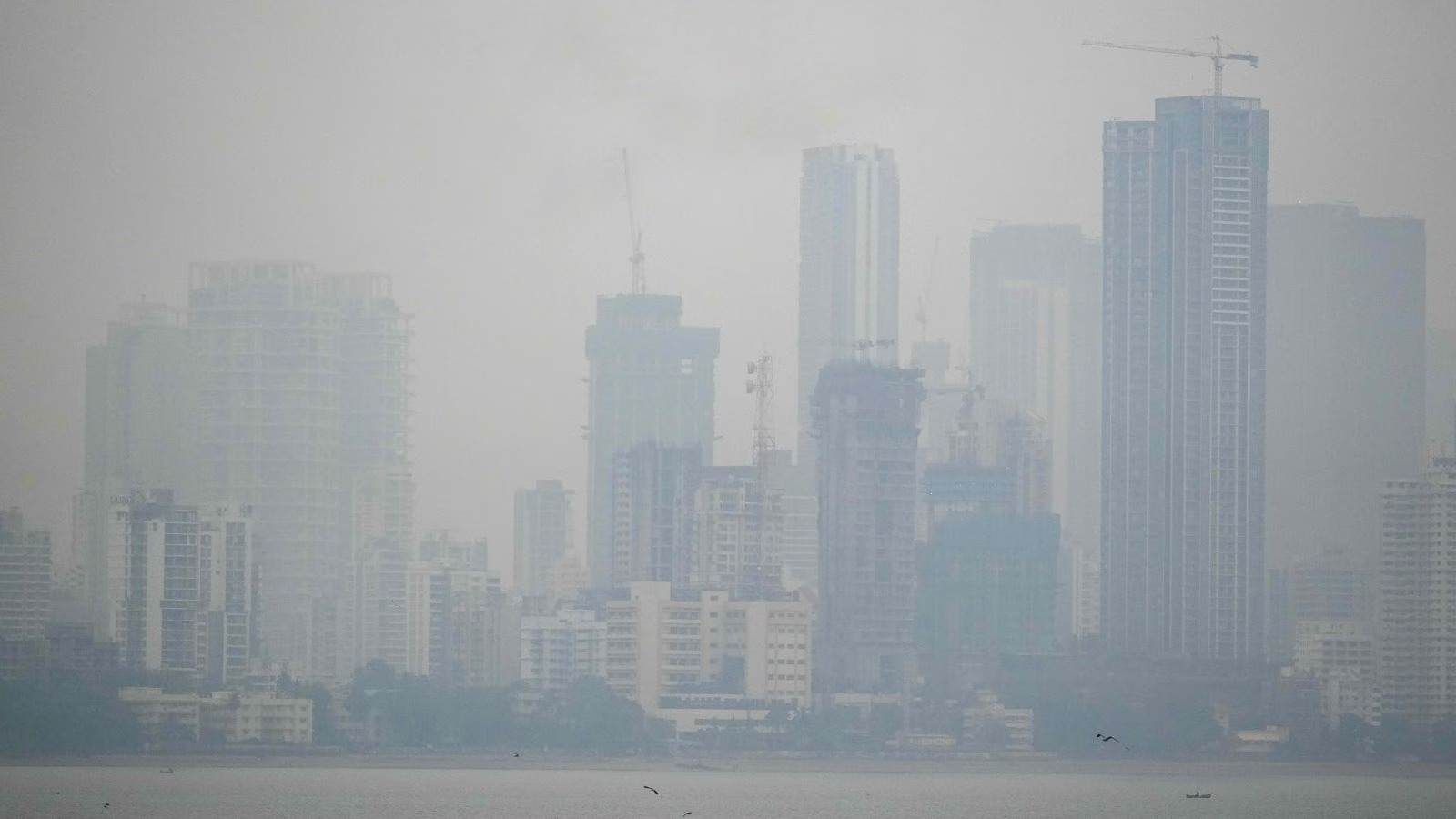
Mumbai’s civic administration is preparing to introduce independent verification of air quality monitoring systems at construction sites, signalling a shift towards stricter enforcement of pollution control norms in one of India’s most construction-intensive urban markets. The move comes amid growing concerns over the reliability of on-site air quality data and its role in regulating dust emissions across the city.
Under the proposed framework, a third-party agency will be engaged to assess sensor-based AQI monitors installed at active construction locations. The review will focus on whether these devices are accurately positioned, properly calibrated, and capable of reflecting real-time environmental conditions at project sites. Officials indicate that a formal tendering process for appointing the agency is expected shortly. The initiative builds on existing enforcement mechanisms already in place. Civic teams have been conducting regular inspections to ensure compliance with a 28-point pollution mitigation protocol, which includes measures such as dust suppression, covering of materials, and proper debris handling. However, authorities believe that independent validation of monitoring equipment will strengthen accountability and reduce the risk of inaccurate or manipulated readings.
Recent enforcement data highlights the scale of the challenge. Dozens of construction sites have faced regulatory action in recent weeks, including notices seeking explanation for non-compliance and directives to halt work where violations were deemed severe. These steps reflect a broader effort to curb construction-related emissions, which remain a significant contributor to deteriorating urban air quality. Urban environmental experts note that while the deployment of sensor-based monitoring systems is a step forward, their effectiveness depends heavily on correct installation and maintenance. Improper placement—such as positioning sensors away from dust-generating zones—can result in misleading data, undermining enforcement efforts. Independent audits, they argue, could help establish credibility and ensure that data-driven regulation functions as intended.
From a sustainability perspective, the move aligns with the growing emphasis on transparent environmental monitoring in rapidly expanding cities. Construction activity, while essential for economic growth and housing supply, often comes at the cost of increased particulate pollution. Strengthening oversight mechanisms is seen as critical to balancing development with public health concerns. There are also implications for the real estate and infrastructure sectors. Developers may face higher compliance expectations and potential cost implications, but clearer standards and enforcement could create a more level playing field. Industry observers suggest that consistent monitoring practices may encourage wider adoption of cleaner construction technologies and better site management.
As Mumbai continues to expand vertically and horizontally, managing construction-related emissions will remain a key urban challenge. The introduction of third-party audits for AQI monitoring systems could mark an important step towards improving data reliability and ensuring that environmental safeguards keep pace with the city’s development trajectory.
BMC To Hire Agency For Auditing Site AQI Monitors