


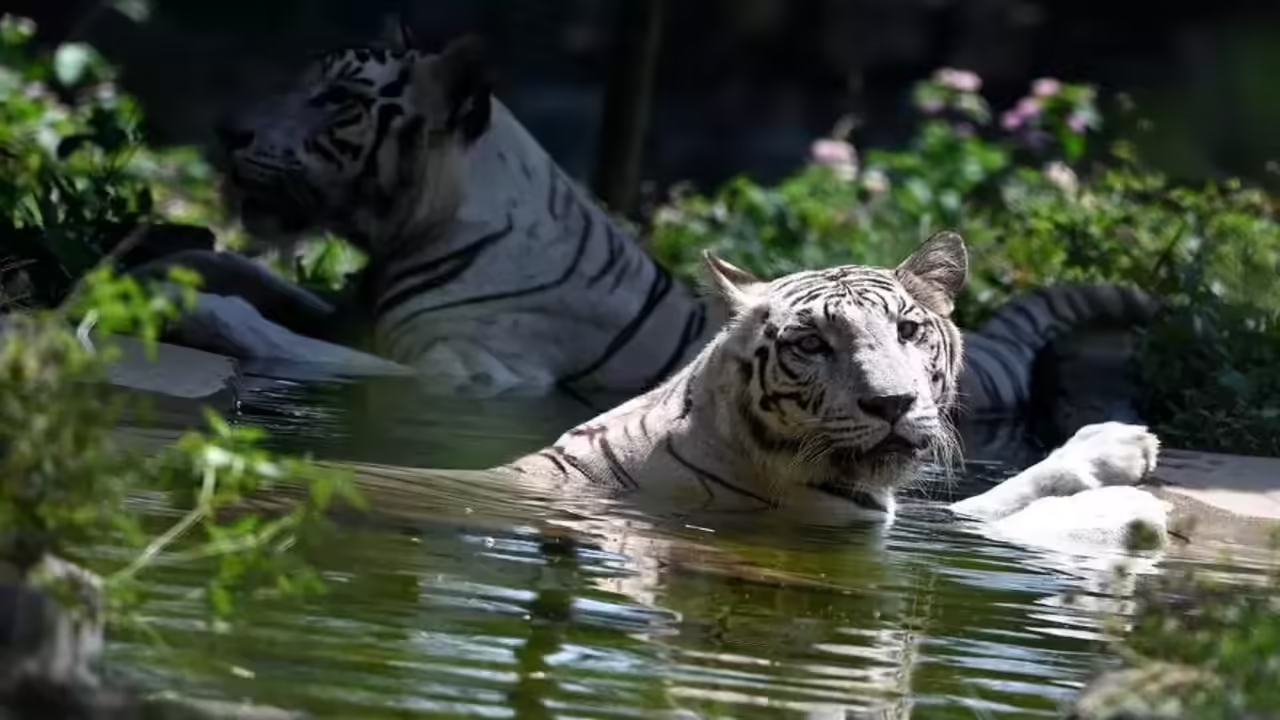
Authorities at Arignar Anna Zoological Park are implementing seasonal measures to manage rising temperatures as Chennai approaches peak summer conditions, highlighting how urban ecological spaces are adapting to climate variability.
The Chennai zoo summer preparedness plan includes infrastructure adjustments and resource management strategies aimed at safeguarding animal health while maintaining visitor safety.Officials indicate that enclosures are being modified to reduce heat stress through the addition of shaded areas, water features, and cooling systems tailored to different species. These interventions reflect the growing need for climate-responsive design within urban biodiversity spaces, particularly in cities experiencing increasingly intense and prolonged heatwaves.The Chennai zoo summer preparedness effort also involves optimising water availability, a critical factor in both animal care and landscape maintenance. With urban water resources under pressure during summer months, efficient usage and storage become essential. Experts note that such facilities must balance ecological requirements with broader city-level resource constraints.Urban planners view zoological parks and green spaces as integral components of climate-resilient cities. Beyond conservation, these areas act as urban heat buffers, helping to moderate local temperatures and improve air quality. In Chennai, where dense built environments dominate large sections of the city, maintaining and upgrading green infrastructure is increasingly important.The initiative also underscores the operational challenges faced by large public institutions in adapting to climate change. Infrastructure originally designed for milder conditions may require retrofitting to cope with current temperature extremes.
This includes not only animal enclosures but also visitor amenities such as shaded walkways, drinking water facilities, and rest zones.From an economic perspective, maintaining visitor footfall during extreme weather conditions is another consideration.Zoological parks contribute to local tourism and recreation economies, and ensuring a safe and comfortable environment can help sustain engagement even during peak summer. However, authorities may also need to regulate visitor numbers or timings to prevent overcrowding and ensure safety.Environmental experts highlight that the Chennai zoo summer preparedness plan reflects a broader trend of integrating climate adaptation into the management of urban public spaces. As cities face more frequent heatwaves, similar strategies are likely to be adopted across parks, recreational zones, and other outdoor infrastructure.The measures also align with evolving expectations around animal welfare and environmental stewardship. Modern urban institutions are increasingly expected to adopt practices that prioritise sustainability, resource efficiency, and ecological sensitivity.Civic officials suggest that ongoing monitoring and adaptive management will be key to responding effectively to changing weather patterns. Data-driven approaches, including temperature tracking and habitat assessment, can help refine interventions over time.
As Chennai continues to confront rising temperatures, the approach taken at Arignar Anna Zoological Park offers insight into how urban ecosystems can be managed under climate stress. Strengthening such adaptive capacity will be essential for ensuring that cities remain liveable, resilient, and environmentally balanced in the face of growing climate challenges.
Also Read:Chennai Water Infrastructure Firm Sustains Global Projects
