


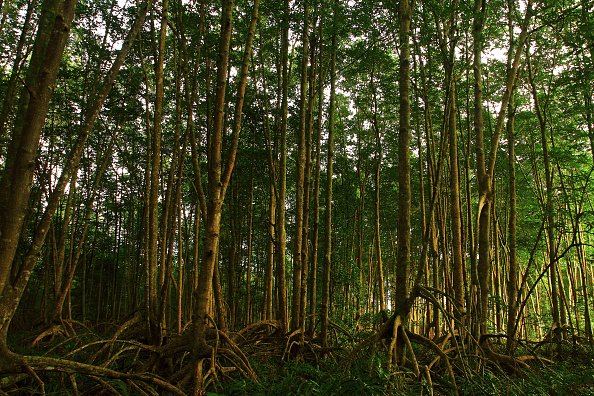
A large-scale ecological restoration initiative is underway in Chennai, where authorities have begun planting thousands of mangroves along the Buckingham Canal to strengthen the city’s natural defences against flooding and climate-related risks.
The Chennai mangrove plantation effort aims to improve coastal resilience while restoring degraded urban water corridors that have long suffered from encroachment and pollution.The initiative focuses on establishing approximately 20,000 mangrove saplings across vulnerable stretches of the canal, which runs parallel to the coastline and plays a critical role in stormwater drainage. Environmental planners highlight that mangroves act as natural buffers, reducing the impact of storm surges, stabilising soil, and enhancing biodiversity within urban ecosystems.The Chennai mangrove plantation comes amid increasing recognition of the role of nature-based solutions in urban climate adaptation. In recent years, Chennai has faced repeated flooding events linked to intense rainfall and inadequate drainage capacity. Experts note that restoring natural ecosystems such as wetlands, canals, and mangrove belts can complement engineered infrastructure by absorbing excess water and reducing runoff pressure.Urban development specialists point out that decades of unplanned growth have narrowed or obstructed key waterways, including sections of the Buckingham Canal. This has weakened the city’s ability to manage extreme weather events effectively. The current restoration effort is seen as part of a broader attempt to re-integrate ecological systems into urban planning frameworks.
From an economic standpoint, investments in climate resilience infrastructure—both natural and built—are becoming increasingly important for safeguarding property values and reducing long-term disaster recovery costs.Areas with improved flood protection and environmental quality tend to attract more stable real estate investment, particularly in coastal cities where climate risks are intensifying.The Chennai mangrove plantation also has implications for community engagement and local livelihoods. Environmental experts suggest that such projects can generate employment opportunities in planting, maintenance, and ecosystem monitoring, while also fostering greater public awareness about conservation practices.However, specialists caution that the success of the initiative will depend on sustained maintenance, pollution control, and protection from encroachment. Mangrove ecosystems require specific conditions to thrive, including adequate water flow and minimal contamination. Without addressing upstream waste management and land-use issues, the long-term viability of the plantation could be at risk.Civic authorities indicate that the plantation drive is part of a phased approach to strengthening Chennai’s climate resilience strategy, with additional measures planned to improve drainage networks and restore other water bodies. Integrating these efforts with urban infrastructure development will be critical to achieving meaningful outcomes.
As cities across India confront the realities of climate change, the Chennai mangrove plantation underscores a growing shift towards hybrid resilience models that combine ecological restoration with infrastructure upgrades. The effectiveness of such approaches will likely shape how urban centres balance growth with environmental sustainability in the coming decades.
Also Read:Chennai PNG Rollout Highlights Urban Energy Transition
