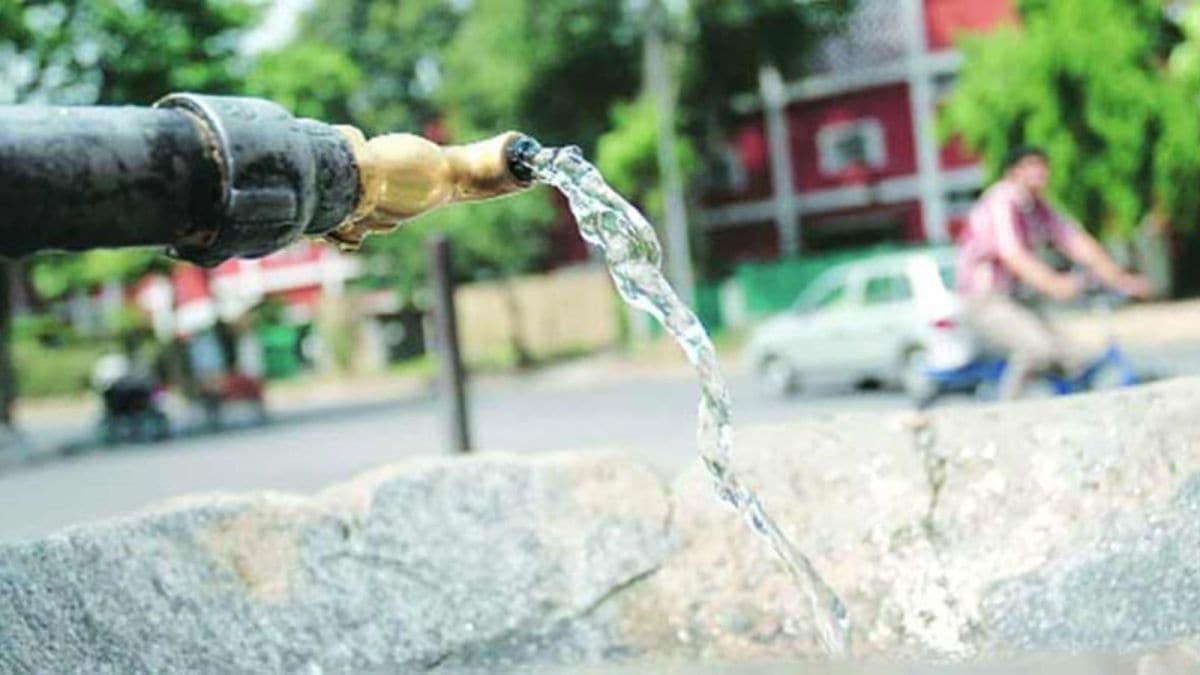
Mumbai is set to enter the peak summer months with a relatively stable water outlook, as reservoir levels supplying the city have reached their highest point for this time of year in three years. Civic officials indicate that the current запас is expected to comfortably meet demand until the arrival of the monsoon, reducing the likelihood of seasonal water restrictions that have historically affected residents and businesses.
The city relies on a network of seven lakes located in the Western Ghats for its daily water needs, forming the backbone of Mumbai’s potable water system. These reservoirs, replenished during the monsoon, feed treatment facilities before distribution across the metropolitan area. This year, cumulative storage has crossed 44 per cent of total capacity, offering a stronger buffer compared to the same period in previous years. From an urban management perspective, the improved storage position is significant. Water cuts during summer months can disrupt households, strain informal settlements, and impact commercial operations, particularly in a city where demand is both high and unevenly distributed. A stable supply reduces the need for emergency measures such as tanker deployment, which often increases costs and exacerbates inequities in access.
Experts in urban planning note that consistent water availability plays a crucial role in sustaining economic activity and public health. In dense urban environments like Mumbai, even short-term shortages can lead to cascading effects across sectors, from construction and manufacturing to hospitality and healthcare. The current situation, therefore, provides short-term relief while underscoring the importance of long-term water security strategies. Despite the encouraging reservoir levels, officials remain cautious about emerging climate patterns. Rising temperatures and recurring heatwave conditions can accelerate evaporation rates, potentially affecting storage over time. As a precaution, authorities are expected to coordinate with state agencies to secure contingency reserves, ensuring that drinking water needs remain prioritised in the event of unexpected stress on supplies.
The situation also reflects the impact of a favourable monsoon cycle in the previous year, which contributed to higher-than-usual replenishment across catchment areas. However, climate variability continues to pose a structural challenge, making it essential for cities to invest in diversified water sources, demand management, and efficient distribution systems. Looking ahead, the focus is likely to shift towards maintaining system resilience through infrastructure upgrades, leak reduction, and improved storage management. While the immediate risk of water cuts appears limited, Mumbai’s long-term sustainability will depend on how effectively it balances growing demand with climate uncertainties.
For now, the city’s stronger reservoir position offers a window of stability—one that highlights both the benefits of favourable natural conditions and the ongoing need for robust, future-ready urban water systems.
Mumbai Set For Smooth Summer With Ample Water Reserves