


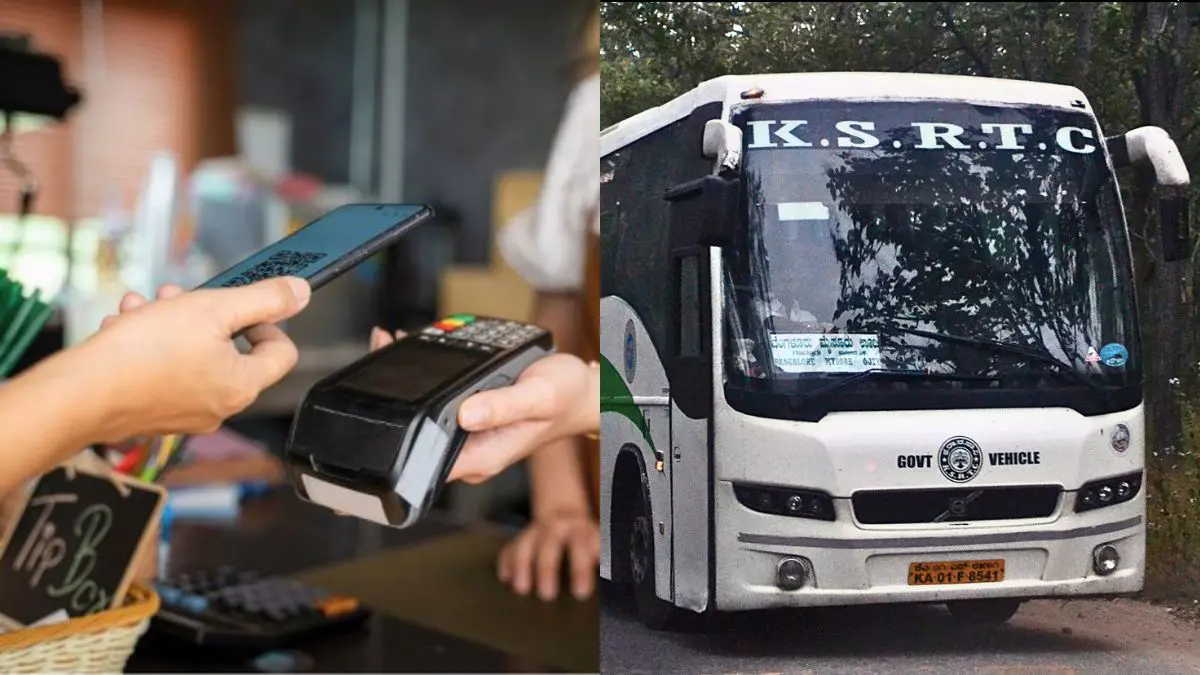
A pilot initiative to enable digital fare payments on public buses has been introduced in Bengaluru, marking a step towards modernising urban mobility systems through contactless technology.
The Bengaluru bus ticketing pilot, launched in collaboration with a mobility technology provider, allows passengers to pay fares using dynamic QR codes linked to UPI, directly through onboard ticketing machines.
The system is currently being tested on select routes operated by Bangalore Metropolitan Transport Corporation, where electronic ticketing machines generate unique QR codes for each transaction.Commuters can scan these codes using their smartphones to complete payments instantly, eliminating the need for cash transactions and reducing boarding delays.Transport officials indicate that the Bengaluru bus ticketing pilot is aimed at improving operational efficiency while enhancing commuter convenience. By integrating UPI-based payments into existing infrastructure, the initiative seeks to leverage India’s rapidly expanding digital payments ecosystem without requiring significant hardware upgrades or additional physical infrastructure.
Urban mobility experts suggest that such interventions are critical for strengthening public transport systems in high-density cities. Faster ticketing processes can reduce dwell time at bus stops, improve schedule adherence, and make buses a more reliable option for daily commuters. This is particularly relevant in Bengaluru, where traffic congestion and long travel times continue to challenge urban productivity.
From a sustainability perspective, the shift towards digital payments aligns with broader goals of reducing paper usage and promoting cleaner, more efficient transport systems.Public buses play a central role in lowering per capita emissions by offering an alternative to private vehicles. Enhancing the user experience through seamless ticketing is seen as a key factor in encouraging higher ridership.The Bengaluru bus ticketing pilot also reflects a growing trend of collaboration between public transport agencies and technology firms. Such partnerships enable cities to adopt innovative solutions at scale while maintaining cost efficiency. Industry observers note that data generated from digital ticketing systems can further support route optimisation, demand forecasting, and policy planning.However, experts caution that widespread adoption will depend on addressing challenges such as digital literacy, network reliability, and inclusivity. Ensuring that passengers without smartphones or access to digital payments are not excluded remains an important consideration for transport authorities.The initiative is being closely monitored as part of a broader effort to modernise Bengaluru’s public transport ecosystem, which includes metro expansion and multimodal integration. If successful, the model could be scaled across the city’s bus network and potentially replicated in other urban centres.
As cities increasingly prioritise efficient and low-carbon mobility, innovations like the Bengaluru bus ticketing pilot highlight how incremental technological upgrades can deliver meaningful improvements in everyday commuting while supporting long-term sustainability objectives.
Also Read:Bengaluru Airport Transfer System Improves Terminal Connectivity
