


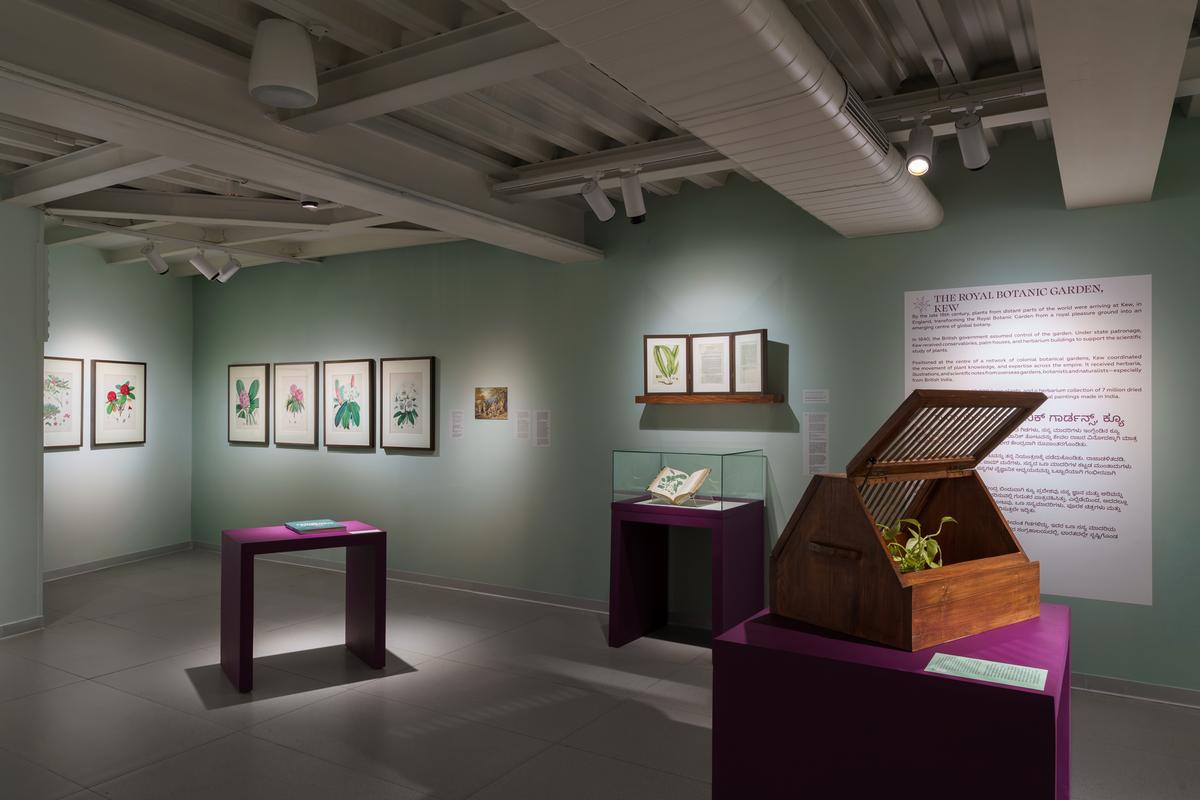
An ongoing art-led initiative in Bengaluru is drawing attention to the relationship between urban living and ecological awareness, as a curated exhibition brings together works centred on nature within the context of a rapidly expanding city.
The showcase, hosted in a prominent cultural venue, reflects a growing intersection between creative expression and environmental discourse, particularly in cities grappling with climate stress and land-use pressures.The Bengaluru art exhibition arrives at a time when the city’s development trajectory is increasingly shaped by questions around sustainability, biodiversity loss, and the preservation of green spaces. Featuring multidisciplinary installations, the exhibition interprets natural systems not as distant landscapes but as elements embedded within urban life—parks, water bodies, and micro-ecosystems that influence everyday wellbeing.Urban planners and cultural policy observers note that such initiatives are gaining relevance as cities attempt to engage citizens beyond traditional policy frameworks. By translating complex environmental challenges into visual and experiential formats, exhibitions like this one contribute to public understanding of climate resilience and ecological balance. This is particularly significant in Bengaluru, where unplanned growth and infrastructure strain have altered natural drainage networks and reduced tree cover over time.The Bengaluru art exhibition also underscores a broader shift in how cultural infrastructure is being positioned within urban economies.
Galleries and public art spaces are increasingly viewed as platforms that can support dialogue on sustainable development, while also contributing to local economic activity through tourism, creative industries, and community engagement. This aligns with a wider trend across Indian cities where cultural programming is being integrated into urban regeneration and placemaking strategies.From a real estate and built environment perspective, the themes explored in the exhibition mirror evolving market dynamics. Developers and institutional investors are placing greater emphasis on projects that incorporate green design, open spaces, and environmental sensitivity. Industry experts suggest that this convergence of art, ecology, and urban development signals a deeper transformation in how cities define value—moving beyond built density to include environmental quality and liveability.Civic stakeholders indicate that sustained engagement with such platforms can complement policy interventions aimed at restoring ecological assets. In Bengaluru, efforts to rejuvenate lakes, expand urban forests, and improve stormwater systems require not only technical execution but also public participation and awareness. Cultural initiatives can play a bridging role by making these issues accessible and relatable to diverse audiences.
As Indian cities continue to urbanise, the integration of cultural narratives with sustainability goals is likely to become more prominent. The Bengaluru art exhibition reflects this emerging approach, where creative practices are not isolated from urban systems but actively contribute to shaping more inclusive and environmentally responsive cities. Going forward, the challenge will lie in scaling such engagements while ensuring they remain accessible and rooted in local urban realities.
Also Read:Bengaluru Weather Systems Drive Extended Rainfall Impact
