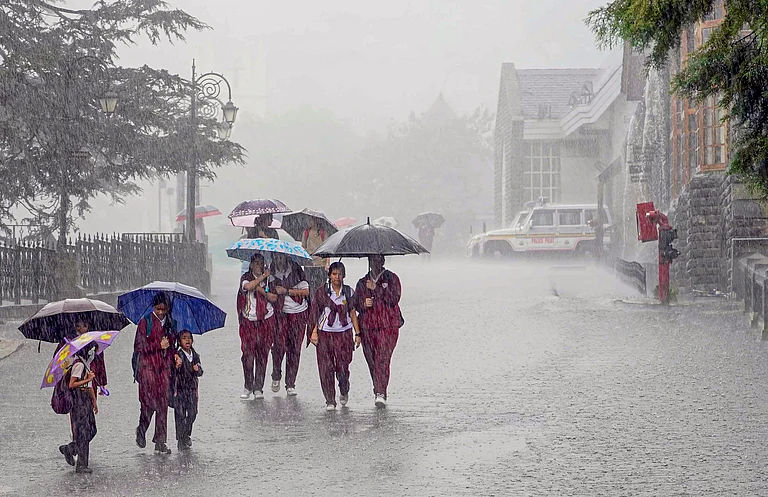
Unseasonal weather activity is once again disrupting Rajasthan’s urban rhythm after fresh forecasts warned of thunderstorms, rain, and possible hail in several districts — a shift that highlights the growing unpredictability of early-summer weather patterns across the state. Recent meteorological updates indicate that western disturbances remain active over north-west India, triggering rapid weather changes in Rajasthan during March.
Reports published over the past week have already warned of back-to-back weather systems bringing thunderstorms, gusty winds, and hail to multiple districts, particularly in the Jaipur division and surrounding regions. Weather analysts say such sudden storms are becoming increasingly common during the transition from winter to summer. Data from national weather portals shows that temperatures in Jaipur and other cities had already crossed the typical March averages earlier this month before clouds and storm systems began returning, leading to sharp fluctuations within short periods. The impact of these alerts goes beyond weather conditions alone. Urban planners say sudden rainfall and hailstorms are increasingly affecting infrastructure such as road surfaces, power lines, and construction activity in fast-growing cities. In Jaipur, where several large infrastructure projects are under construction — including elevated corridors, road expansions, and new residential developments — even short-duration storms can delay work and increase maintenance costs.
Experts also point out that extreme weather in March has implications for climate-resilient urban planning. Traditionally, intense rainfall and hail were associated more with the monsoon season, but repeated alerts in recent years suggest that cities must now prepare for unpredictable pre-monsoon storms as well. Earlier weather-related reports in Rajasthan have linked such sudden events to western disturbances and rising temperature volatility across north India. For residents, the immediate impact is likely to be felt in daily mobility. Sudden rainfall during peak hours often leads to waterlogging in low-lying neighbourhoods and traffic disruptions, especially in rapidly expanding parts of Jaipur where drainage systems are still being upgraded. Small businesses, street vendors, and construction workers are also among the most affected groups during sudden weather changes.
At the same time, climate researchers say the situation highlights a broader urban challenge. Cities that are expanding rapidly need to integrate weather-risk planning into infrastructure design — from storm-water drainage to resilient building materials and improved emergency response systems. Without such measures, short-duration storms can quickly turn into economic and social disruptions. The latest Rajasthan weather alert therefore reflects more than a temporary change in weather. It is part of a wider pattern of increasingly erratic climate behaviour that is already influencing how Indian cities plan roads, housing, and public infrastructure.
The next few days will show how intense the storms become. But for urban planners and civic agencies, the recurring alerts are reinforcing a larger lesson — that climate resilience is no longer a long-term goal but an immediate urban priority.