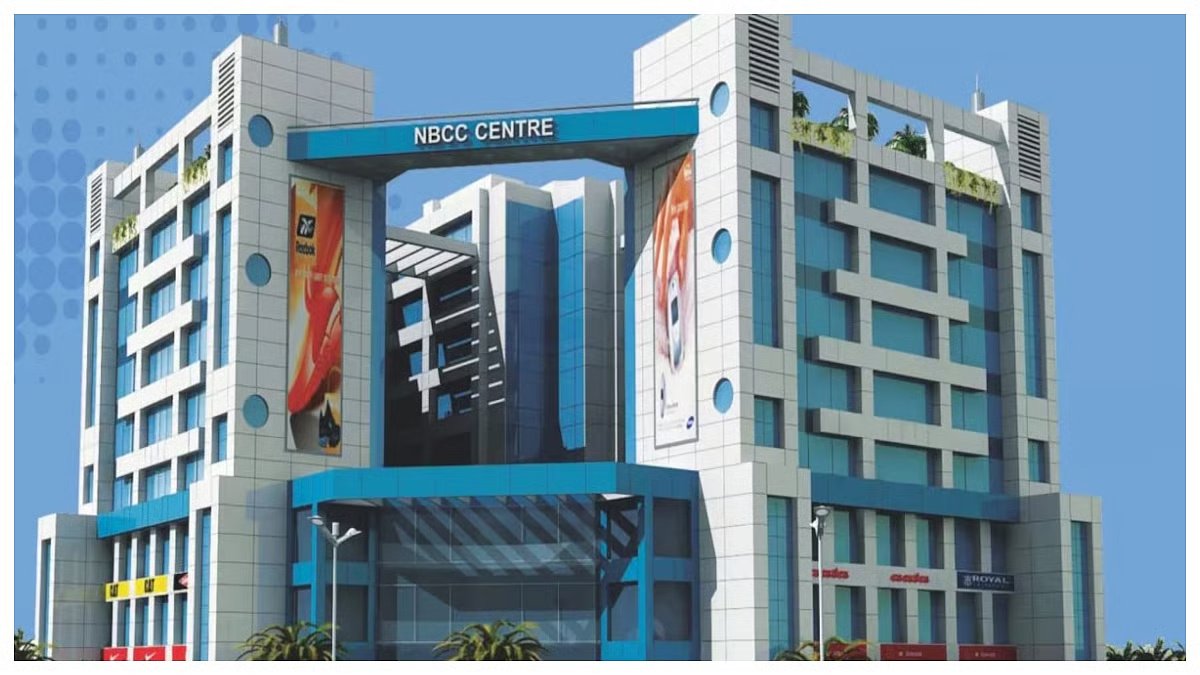
Jaipur’s urban development strategy is entering a new phase after a major public-sector construction agency secured the execution mandate for the proposed Rajasthan Mandapam and allied infrastructure project — a move expected to strengthen the city’s position as a convention, tourism, and investment destination.
Official regulatory filings confirm that the project will be developed on around 95 acres of land near the city’s airport corridor, with a total estimated investment of roughly ₹3,700 crore. The development is expected to include a large convention centre, commercial infrastructure, and supporting urban facilities designed to support the city’s expanding event and business ecosystem.
The Rajasthan Mandapam project is part of a broader attempt to reposition Jaipur as a major destination for meetings, exhibitions, and cultural events — a sector often referred to as MICE (meetings, incentives, conferences and exhibitions). Earlier policy announcements had already indicated that the state plans to attract large-scale international conferences and business events by building modern convention infrastructure comparable to global venues. Urban planners say the location of the project is significant. The 95-acre site lies along the Tonk Road corridor near the airport, one of the fastest-growing real-estate and infrastructure zones in the city. Over the past few years, this stretch has seen steady investment in residential projects, commercial developments, and connectivity upgrades, reflecting how airport-linked growth corridors are reshaping the expansion pattern of tier-two cities.
The scale of the proposed convention centre also highlights how Indian cities are increasingly investing in large civic infrastructure that goes beyond traditional urban projects such as roads and housing. According to official filings, the planned facility is expected to accommodate thousands of visitors and will be supported by commercial spaces, hospitality components, and additional urban infrastructure designed to support large public events. From an economic perspective, the project is likely to have a wider impact than the tourism sector alone. Convention infrastructure typically creates demand for hotels, transport services, retail spaces, and small-business activity in surrounding areas. Urban economists note that cities that successfully develop convention hubs often see long-term benefits in employment, real-estate demand, and infrastructure investment, especially in emerging urban markets such as Jaipur.
At the same time, the project also raises broader urban-planning questions. Large-scale infrastructure projects near rapidly growing corridors can significantly influence land values and traffic patterns. Experts say the long-term success of the Rajasthan Mandapam development will depend on how well it integrates with public transport, sustainable urban design, and the city’s environmental goals — particularly as Jaipur faces increasing pressure on land, water resources, and air quality. The project is expected to follow a phased execution model, with planning, design, and construction to be carried out under a public-sector framework. If implemented effectively, it could become one of the largest civic infrastructure projects in Jaipur in recent years, while also reflecting a broader shift among Indian cities toward convention-driven economic growth.
The next phase will depend on how quickly the project moves from approvals to on-ground construction — a stage that will ultimately determine whether the initiative strengthens Jaipur’s long-term urban competitiveness or remains another large project delayed by execution challenges.