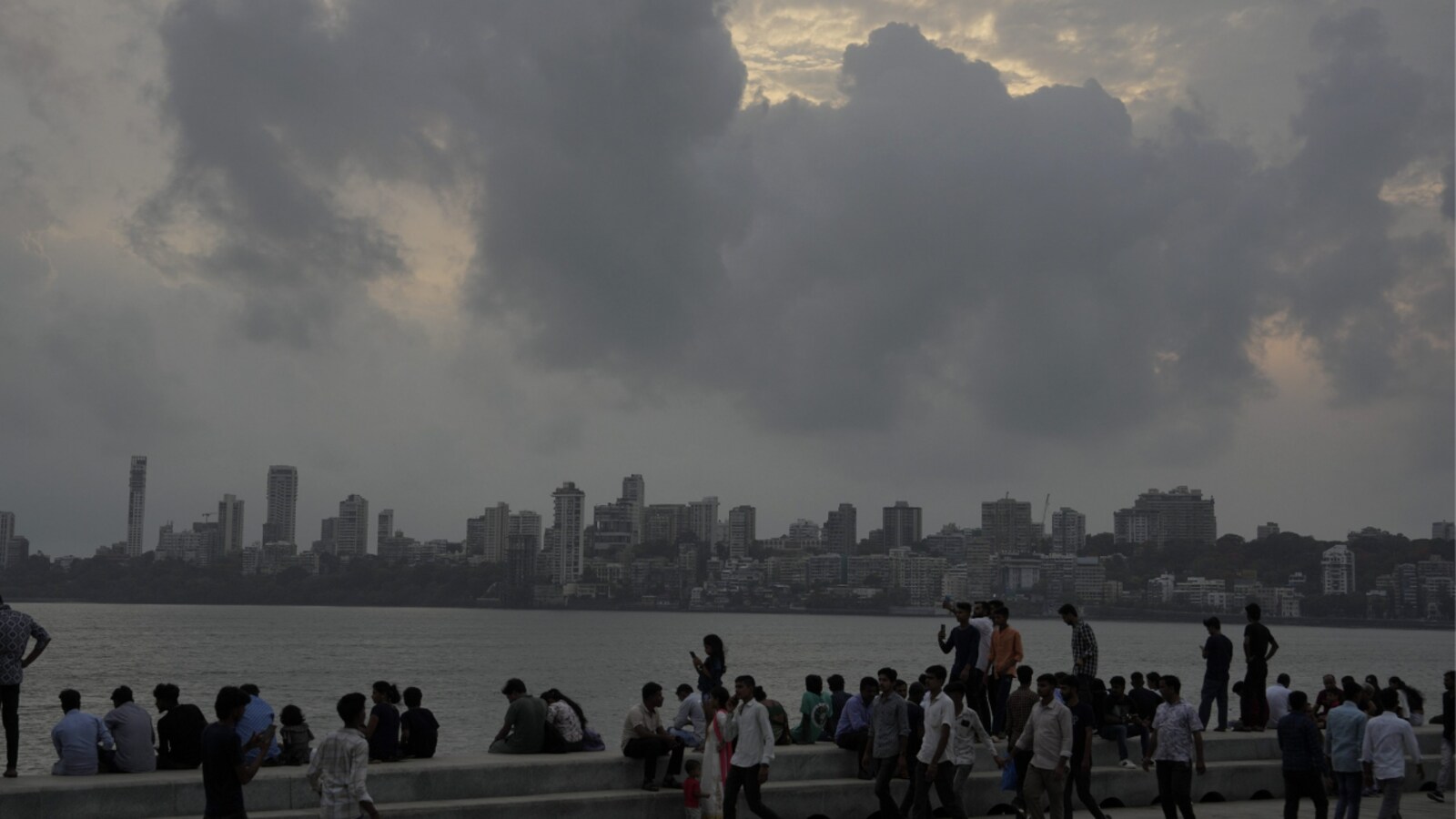
Maharashtra Weather Alert Signals Infrastructure Preparedness Gap
A fresh spell of unseasonal weather across Maharashtra has triggered warnings from the India Meteorological Department, with multiple districts placed under an orange alert for thunderstorms, lightning, and gusty winds. The development is drawing attention to the growing volatility of pre-monsoon weather patterns and its implications for infrastructure readiness and climate resilience.
Districts including Jalgaon, Nashik, Parbhani, and Beed are expected to witness intense localised storms accompanied by wind speeds reaching up to 50–60 kmph, with the possibility of hail in isolated areas. The weather shift follows a period of rising temperatures across the state, with atmospheric instability now triggering convective activity. Experts indicate that such sudden transitions—heat followed by thunderstorms—are becoming more frequent, particularly in central and western India, complicating seasonal predictability.
For cities and emerging urban centres, the impact extends beyond immediate weather disruption. Strong winds and short-duration heavy rainfall can affect transport systems, power supply, and construction activity. In regions with ongoing infrastructure projects, such events may delay execution timelines or increase maintenance requirements.Agricultural zones are also at risk. Reports from affected districts indicate that unseasonal rainfall and hail have already caused damage to standing crops such as onions, wheat, and grapes. This creates a dual challenge for peri-urban regions, where agriculture and urban expansion intersect, making both livelihoods and supply chains vulnerable to weather shocks.
The current Maharashtra rain alert also highlights gaps in climate preparedness at the local level. While early warning systems have improved, the ability of urban and rural infrastructure to absorb sudden weather events remains uneven. Drainage systems, power networks, and road infrastructure are often not designed for high-intensity, short-duration storms typical of pre-monsoon periods.Urban planners note that integrating climate-responsive design into infrastructure planning is no longer optional. Measures such as improved stormwater management, resilient power distribution systems, and weather-adaptive construction practices are becoming critical for cities facing increasingly erratic weather.
At a broader level, the pattern reflects a shift in how climate risks are distributed. Events once associated primarily with monsoon months are now occurring outside traditional cycles, affecting planning frameworks for both urban development and agriculture.The Maharashtra rain alert is therefore not just a short-term weather warning, but a signal of evolving climate dynamics. As cities expand and infrastructure investments grow, aligning development with climate resilience will be essential to reduce disruptions and protect economic activity.
In the coming days, authorities are expected to monitor conditions closely, with advisories focused on minimising risk to life, property, and essential services. The longer-term challenge, however, lies in translating such alerts into systemic improvements that can withstand increasingly unpredictable weather patterns.