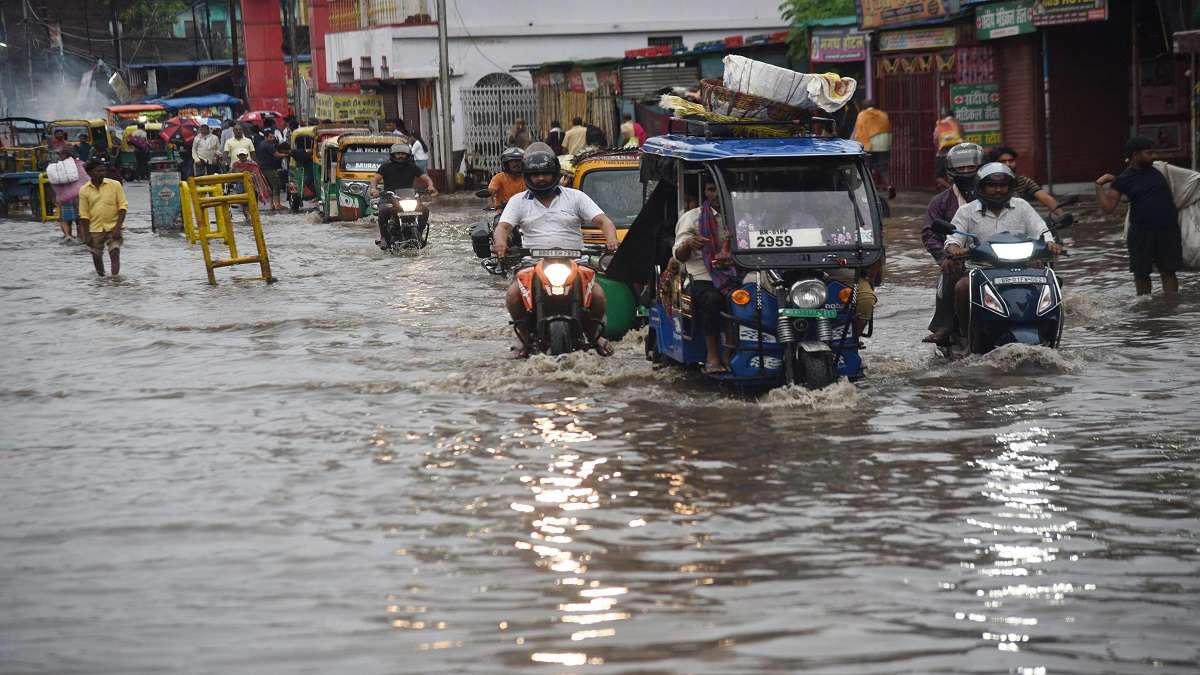
A fresh weather warning across Bihar is drawing attention to the growing vulnerability of fast-expanding cities such as Patna, after the India Meteorological Department forecast thunderstorms, lightning, and rainfall over the next four days. The forecast, issued this week, comes at a time when temperatures have already climbed sharply across the state, creating a sudden shift from early-summer heat to unstable weather conditions.
Reports published today confirm that several districts could witness strong winds, lightning strikes, and scattered rain showers, particularly between March 20 and March 23. While weather alerts are common in eastern India, the current pattern highlights a deeper urban challenge. Cities like Patna are expanding rapidly, but drainage systems, power networks, and public transport infrastructure often struggle to handle sudden weather disruptions. Experts say short bursts of rain combined with strong winds can cause more disruption in dense cities than prolonged monsoon rainfall, particularly in areas where unplanned construction has reduced natural drainage. According to recent forecasts from the meteorological department’s regional centre, wind speeds in parts of Bihar could rise significantly during thunderstorm activity, while lightning risk remains high across several districts. The warning also comes alongside temperature fluctuations, with hot days expected to be followed by cooler conditions once rain arrives.
Urban planners say such sudden weather swings are becoming more frequent as climate patterns shift across north and eastern India. Instead of a gradual seasonal transition, cities are increasingly experiencing sharp alternations between heatwaves and intense storms. For rapidly growing urban centres, this raises questions about how infrastructure is designed — especially storm-water drainage, electricity resilience, and emergency response systems. The impact is particularly visible in neighbourhoods on the city’s outskirts, where real-estate development has expanded faster than civic infrastructure. New housing clusters and informal settlements often lack adequate drainage or weather-resilient design, making them more exposed to flooding and power outages even during moderate rainfall.
At the same time, the weather alert also reflects a wider regional trend. National forecasts issued this week indicate unstable conditions across several northern and eastern states, suggesting that the current weather shift is not limited to Bihar alone. For cities, this means climate resilience is no longer a long-term planning issue but an immediate urban governance challenge. Weather warnings that once affected rural agriculture are now directly influencing transport systems, public health preparedness, and construction activity in growing urban regions.
The next few days will show how well local authorities manage the immediate impact. But in the longer term, the recurring weather alerts underline a more important question — whether cities like Patna can expand quickly while still building infrastructure that can withstand increasingly unpredictable climate patterns.