CASE Group Drives Coal Gasification For Energy Security
India’s coal sector is entering a phase of strengthened supply resilience, with rising domestic production and record stock levels reinforcing coal energy security at a time of growing electricity demand. The development is particularly significant as cities expand and industrial activity intensifies, placing sustained pressure on the country’s energy systems.
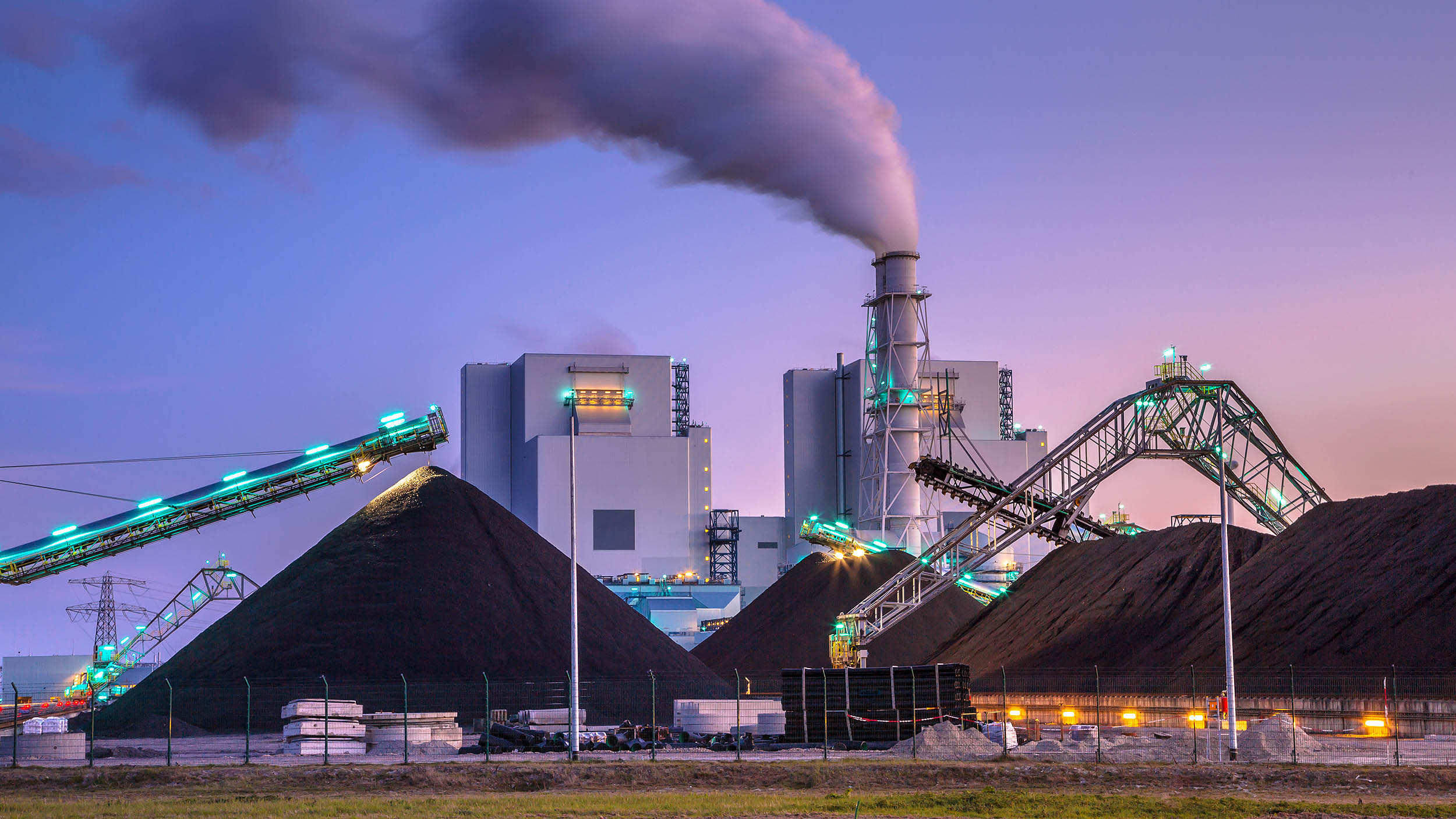
Recent data from the Union coal ministry indicates that total coal availability has reached roughly 210 million tonnes—sufficient to meet nearly three months of consumption. This buffer has been built through a combination of higher output from mines and improved supply management across the value chain. Coal continues to underpin India’s power generation, contributing the majority share of electricity supply. In a context where renewable capacity is rising but not yet sufficient to meet peak demand independently, this level of preparedness provides stability for urban infrastructure, manufacturing clusters, and essential services.The current coal energy security position reflects a deliberate policy push to align production with rising demand. Domestic coal output has expanded steadily in recent months, supported by operational efficiencies, increased dispatch from mines, and participation from both public and commercial mining blocks.
For rapidly urbanising regions, the implications are immediate. Reliable energy supply is critical for construction activity, transport networks, water systems, and digital infrastructure. A stable coal buffer reduces the risk of power disruptions that can delay projects or inflate costs in cities already managing tight timelines and budgets.At the same time, the growing reliance on coal presents a structural tension within India’s long-term development pathway. While coal ensures affordability and availability in the near term, it remains a carbon-intensive resource. Urban planners and energy experts note that this creates a dual challenge: maintaining coal energy security while accelerating the transition to cleaner energy systems.This balancing act is becoming more visible as global energy markets remain volatile. Coal stockpiling acts as a hedge against disruptions in imported fuels such as natural gas, particularly during geopolitical uncertainty. By strengthening domestic supply, India is reducing exposure to external shocks that could otherwise affect power availability and pricing.
However, logistical constraints—such as transport bottlenecks and seasonal disruptions—continue to influence how efficiently coal reaches end users. Addressing these gaps will be key to ensuring that high stock levels translate into consistent on-ground supply, especially during peak demand periods like summer.Looking ahead, the coal sector’s role is expected to remain central, even as the energy mix gradually diversifies. The focus is likely to shift towards improving efficiency, integrating cleaner technologies, and reducing emissions intensity while maintaining supply reliability.
For India’s cities, the message is clear: energy security remains foundational to growth. The challenge now lies in evolving that security into a system that is not only reliable and affordable, but also aligned with long-term climate resilience goals.