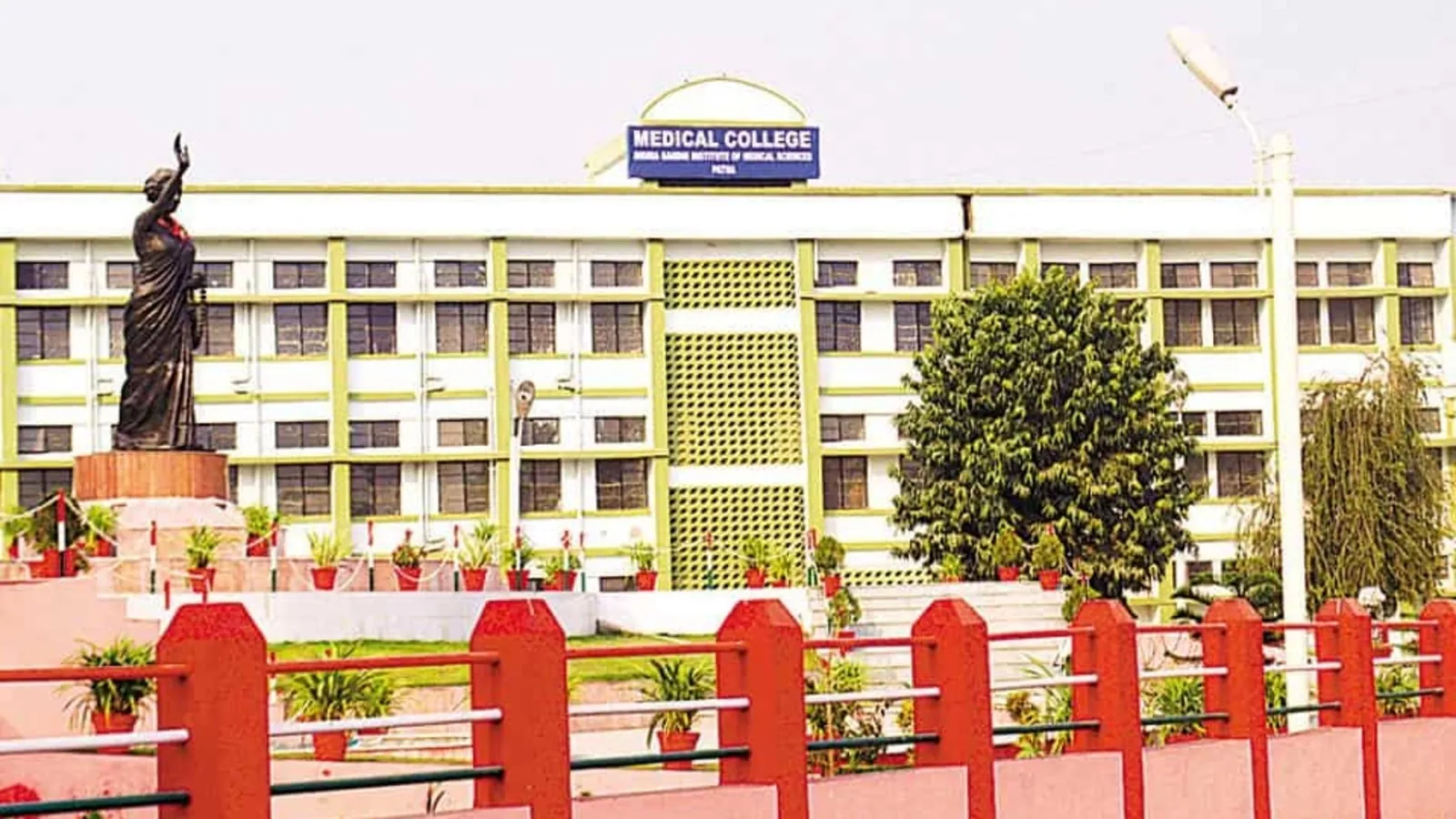
Patna Public Healthcare Ranking Boosts Urban Trust
Patna’s public health infrastructure is drawing renewed attention after a major government medical institute in the city was recognised for its performance under the Ayushman Bharat scheme — a development that highlights how access to affordable healthcare is becoming central to urban growth in eastern India.
The recognition, announced during a recent health policy event in Bihar, signals more than a symbolic ranking. It reflects the growing role of large public hospitals in bridging the healthcare gap for lower-income families in rapidly expanding cities such as Patna, where migration, population density, and limited private affordability continue to shape demand. Officials associated with the programme said the institution stood out for the speed and scale of service delivery, particularly in providing cashless treatment to eligible beneficiaries. Urban planners say this kind of performance is increasingly relevant for cities that are struggling to align infrastructure growth with basic social services such as healthcare, sanitation, and housing.
The progress also highlights how public healthcare ranking metrics are beginning to influence policy decisions. According to health administrators familiar with the process, service efficiency, patient throughput, and digital claim processing are now being used to assess institutional performance rather than simply measuring capacity. This shift could push other public hospitals in tier-two cities to improve service standards and patient experience. Data shared by officials indicates that a significant share of patients treated at the institute in the past year benefited from the national health insurance programme. For urban households living in informal settlements or low-income neighbourhoods, access to cashless treatment often determines whether families seek timely medical care or delay treatment due to financial pressure. As a result, public healthcare ranking outcomes increasingly reflect real urban welfare rather than administrative performance alone.
Healthcare analysts say the development is also relevant for the city’s economic trajectory. Cities that build reliable public health systems tend to attract more investment, support a stronger workforce, and reduce the economic vulnerability of migrant populations. In Patna’s case, the improved public healthcare ranking could strengthen the perception of the city as a more liveable and inclusive urban centre — an important factor as eastern India sees steady infrastructure expansion. At the same time, the recognition has renewed attention on the need for sustainable healthcare infrastructure. Experts argue that hospitals in fast-growing cities must now focus not only on service delivery but also on energy efficiency, waste management, and climate-resilient building design. As extreme weather events become more frequent, resilient public health infrastructure will become a key element of urban planning.
For now, the recognition is being viewed as a signal that public systems can deliver at scale when supported by digital processes and policy continuity. The larger challenge will be whether similar improvements can be replicated across other public hospitals in the state — something that could shape how cities like Patna evolve as more inclusive and people-centred urban centres over the next decade.