


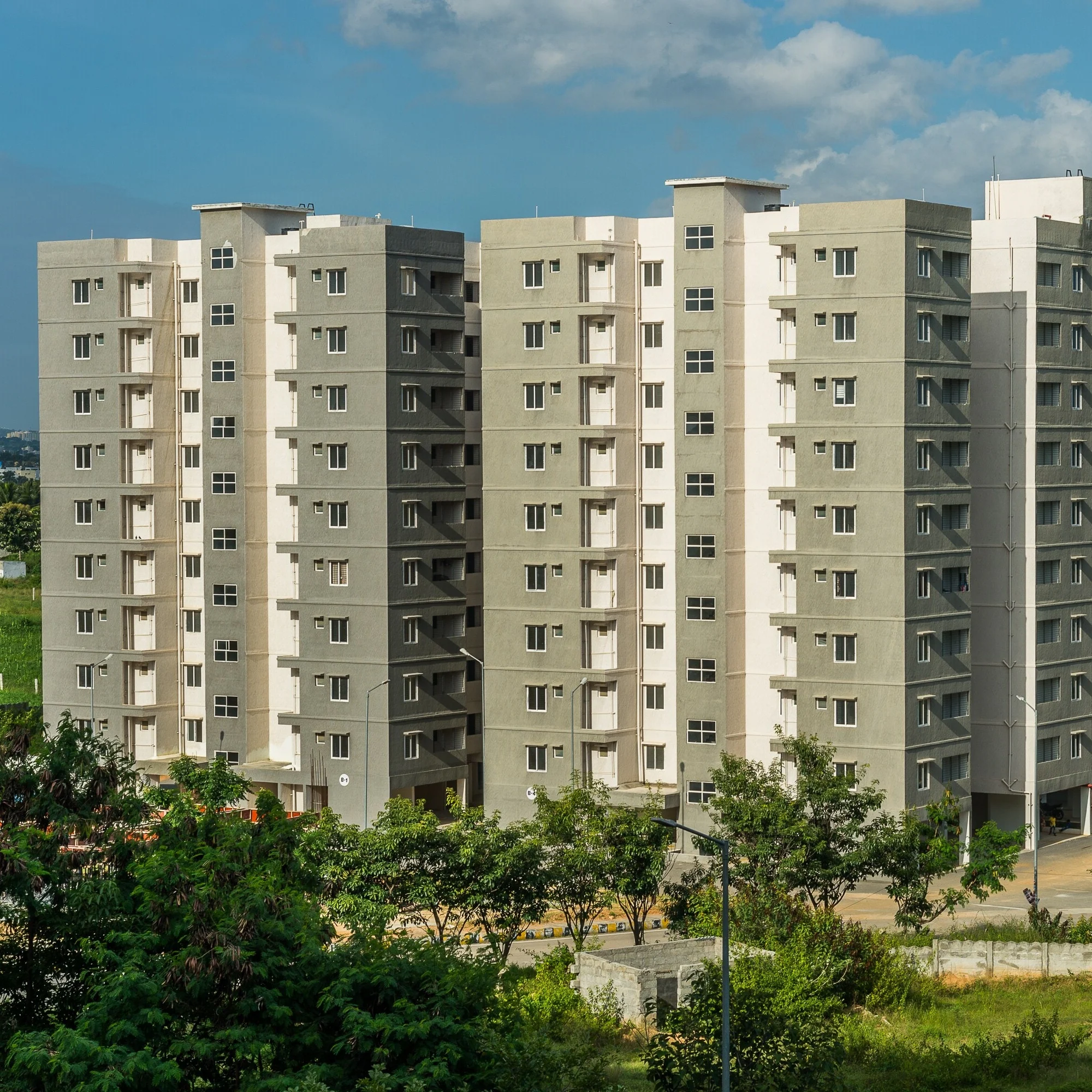
Bengaluru Faces Mounting Property Tax Dues Across Key Properties
Unpaid property tax liabilities running into hundreds of crores have accumulated across more than a thousand properties in Bengaluru, raising concerns over the financial health of the city’s civic administration.
The growing Bengaluru property tax dues highlight structural challenges in urban revenue collection, with implications for infrastructure delivery, service quality, and long-term city planning.Municipal officials indicate that a significant portion of these dues is concentrated in high-value commercial and institutional properties, where delayed payments have created a widening gap between expected and realised revenues. For a city experiencing rapid expansion and rising infrastructure demands, such shortfalls can limit the ability to fund essential services including road maintenance, waste management, and stormwater drainage.Urban finance experts note that property tax remains one of the most stable and locally controlled revenue streams for city governments. However, inefficiencies in assessment, enforcement, and compliance often undermine its potential. The scale of Bengaluru property tax dues suggests that existing mechanisms may not be fully aligned with the city’s evolving real estate landscape, where property values and usage patterns are changing rapidly.The issue also raises questions about equity in urban taxation. When large properties delay or avoid payments, the burden of funding civic services can shift disproportionately onto compliant taxpayers. This imbalance may affect public trust and reduce overall willingness to comply, creating a cycle that further weakens municipal finances.
From an infrastructure perspective, consistent revenue flows are critical for maintaining and upgrading urban systems. Bengaluru has faced recurring challenges related to traffic congestion, flooding, and waste management. Experts argue that strengthening tax collection is essential to addressing these issues in a sustainable manner. Without adequate funding, even well-planned projects risk delays or incomplete execution.The Bengaluru property tax dues also intersect with broader goals of responsible urban development. Transparent and efficient taxation systems can support more accountable governance, enabling cities to invest in climate-resilient infrastructure and inclusive public services. In contrast, persistent revenue gaps may hinder progress towards these objectives, particularly as cities grapple with the impacts of climate variability and population growth.Officials are understood to be exploring measures to improve compliance, including stricter enforcement, digital tracking systems, and targeted outreach to defaulters. The use of technology in property mapping and tax assessment is expected to play a key role in identifying discrepancies and ensuring more accurate billing.At the same time, urban planners emphasise the need for a balanced approach that combines enforcement with ease of compliance. Simplified processes, clear communication, and fair valuation practices can encourage voluntary participation, reducing the need for punitive action.
As Bengaluru continues to expand as a major economic hub, the ability to mobilise local revenues will remain central to its growth trajectory. Addressing the Bengaluru property tax dues challenge is likely to be a critical step in strengthening the city’s fiscal foundation and ensuring that infrastructure development keeps pace with urban demand.
Also Read:Bengaluru Ugadi Special Trains Boost Regional Connectivity
