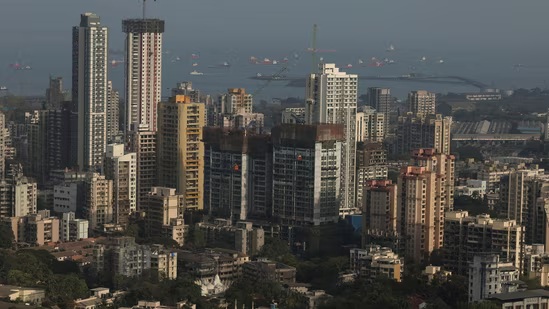
Mumbai Real Estate Board Sees Leadership Transition
In a significant governance development for Mumbai’s urban real estate sector, Mahindra Lifespace Developers witnessed the departure of a senior non-executive director during a board meeting held on March 13, 2026. The exit, prompted by the director’s internal transition within the broader corporate group, marks a noteworthy shift in leadership at one of the city’s prominent sustainable housing developers, with implications for strategic decision-making and investor sentiment.
The director formally submitted their resignation on March 4, citing a new role within the group as the reason for stepping down. The resignation took effect following the board’s deliberation on March 13, with the process formally communicated to both major stock exchanges in India, in line with regulatory obligations under SEBI Listing Regulations. The company secretary confirmed the compliance measures, including digital authentication of the disclosure, signalling the firm’s commitment to governance transparency.
Industry observers note that board-level changes at real estate firms can influence investor confidence, particularly in companies actively engaged in large-scale residential and mixed-use projects. In Mahindra Lifespace’s case, the departure coincides with ongoing market volatility in Mumbai’s luxury and mid-segment housing segments, where sustainable and climate-resilient design is increasingly valued by both regulators and buyers. Analysts suggest that continuity in governance and strategic oversight remains critical for projects that integrate green building practices and long-term urban resilience planning.
The broader real estate ecosystem in Mumbai has been witnessing heightened investor focus on corporate governance, project execution efficiency, and alignment with climate-sensitive development standards. Board transitions such as this one highlight the ongoing interplay between corporate restructuring and urban infrastructure delivery. Urban planners emphasise that leadership stability in development firms contributes directly to timely completion of projects that enhance inclusivity, accessibility, and environmental performance within the city’s built environment.
Market data show that Mahindra Lifespace’s equity performance has exhibited mixed trends over the past year, reflecting both the cyclical nature of residential real estate and investor responsiveness to corporate governance developments. A senior industry executive noted that robust disclosure and proactive succession planning are increasingly seen as indicators of a developer’s long-term commitment to sustainable urban growth.
As Mumbai continues to expand its housing stock to meet rising population demands, transparent board governance and strategic leadership transitions in major developers will remain critical to ensuring projects align with climate-resilient, inclusive urban development goals. Stakeholders will be watching closely how the firm navigates this transition while maintaining project delivery timelines and sustainability commitments.