



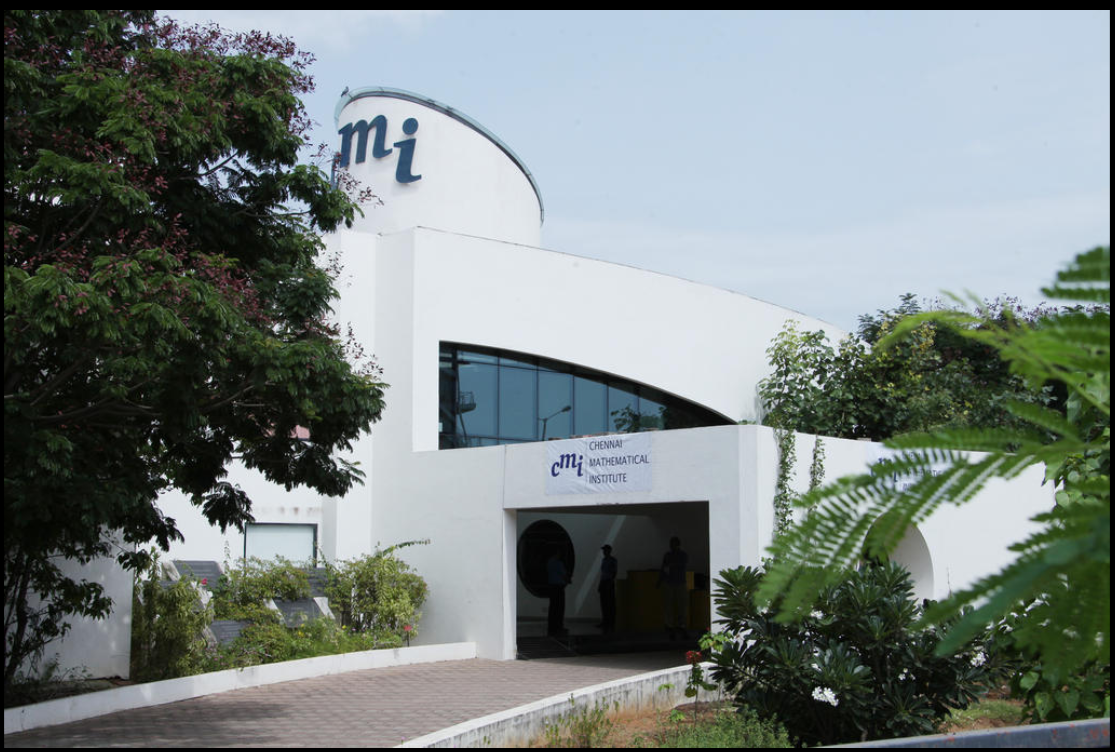
Chennai Strengthens Knowledge Economy With New Mathematics Degree Programme
Chennai’s higher education ecosystem is set to expand with the introduction of a four-year undergraduate mathematics programme at a leading research institute in the city.
The initiative signals a broader push to strengthen advanced academic pathways and build a skilled talent base aligned with emerging sectors such as data science, finance, and technology-driven industries.Officials associated with the institute indicate that the programme is designed to combine foundational mathematical theory with interdisciplinary applications. The Chennai mathematics degree is expected to cater to students seeking research-oriented careers as well as those aiming to enter industry roles that demand strong analytical and problem-solving skills.Urban economists note that investments in specialised education programmes play a crucial role in shaping city-level economic growth. Cities like Chennai, which already host a mix of IT, manufacturing, and research institutions, benefit from a steady pipeline of highly skilled graduates. The introduction of the Chennai mathematics degree strengthens this ecosystem by enhancing the city’s capacity to support knowledge-intensive industries.The programme is also expected to contribute to the evolution of Chennai as an education hub, attracting students from across the country. Increased student inflow has a direct impact on local economies, influencing housing demand, rental markets, and service sectors.
Areas surrounding academic institutions often see growth in co-living spaces, retail activity, and public infrastructure improvements.From a planning perspective, the expansion of higher education infrastructure aligns with broader goals of inclusive and sustainable urban development. Experts highlight that education hubs can serve as anchors for innovation districts, where academic research, startups, and industry collaborations coexist. Such clusters not only generate employment but also encourage more efficient land use and reduced commuting distances.Accessibility and affordability remain key considerations in the rollout of new academic programmes. A senior academic official suggested that efforts are being made to ensure that admission processes remain transparent and inclusive, enabling students from diverse socio-economic backgrounds to participate. This approach is critical for fostering equitable growth within the urban knowledge economy.Environmental considerations are increasingly influencing campus design and operations as well. Modern academic institutions are integrating energy-efficient buildings, water conservation systems, and green spaces, contributing to lower carbon footprints and improved urban liveability. These elements align with Chennai’s long-term vision of developing climate-resilient and sustainable urban infrastructure.
As the city continues to position itself as a centre for education and innovation, the launch of advanced academic programmes reflects a strategic alignment between talent development and economic planning. The success of such initiatives will depend on how effectively they integrate with industry needs and urban infrastructure, shaping Chennai’s role in India’s evolving knowledge economy.
Also Read:Chengalpattu Development Plan Shapes Chennai Urban Expansion
Chennai Expands Higher Education With New Math Degree
