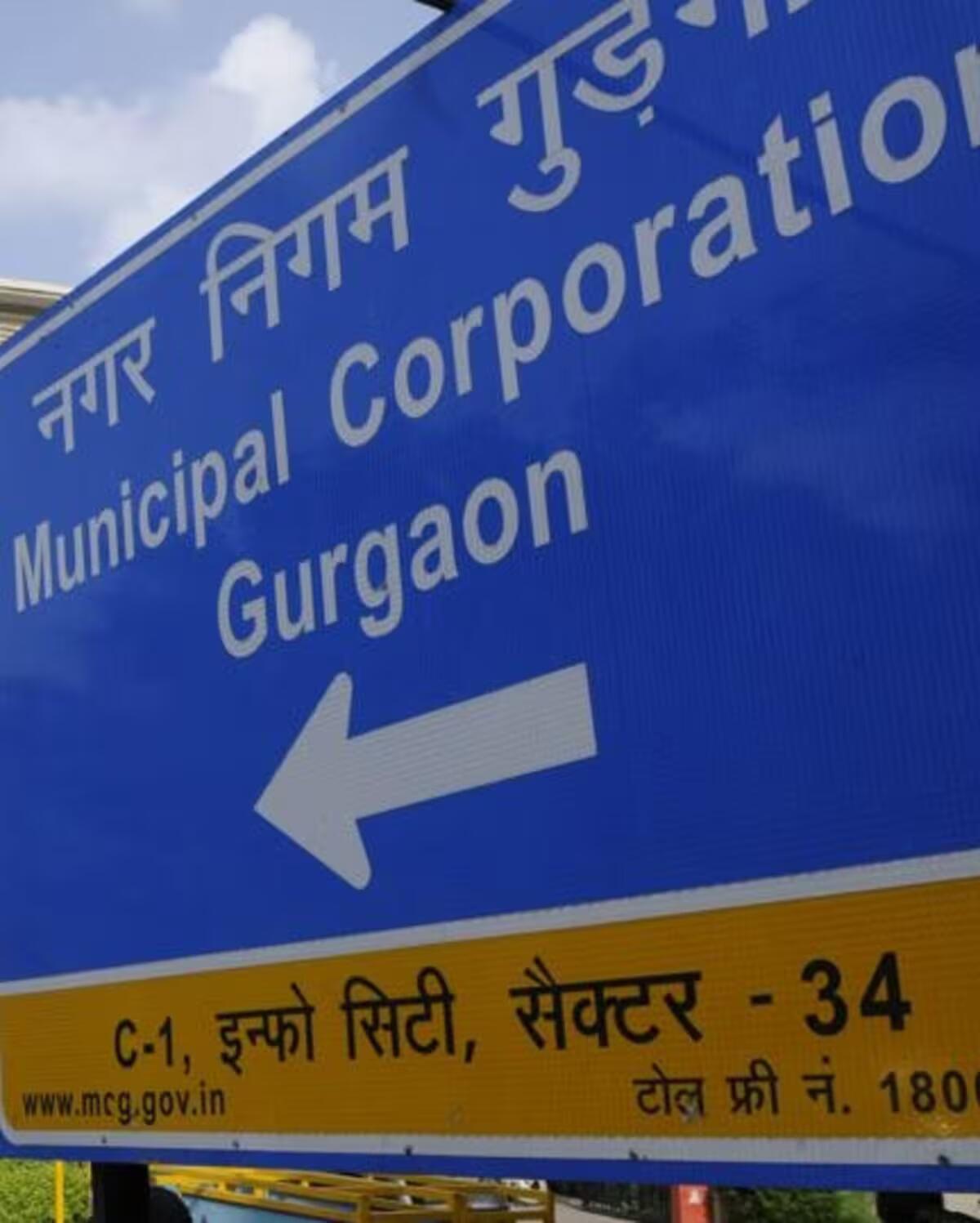
Gurugram Municipal Budget FY27 Targets Urban Services
Gurugram’s municipal body has cleared its financial blueprint for 2026–27, outlining a spending-led approach focused on sanitation, infrastructure upgrades and core civic services. The Gurugram municipal budget FY27 signals an attempt to stabilise urban service delivery in one of India’s fastest-growing real estate markets, where infrastructure demand continues to outpace supply. The approved plan projects revenues of nearly ₹1,918 crore against an expenditure outlay of about ₹1,875 crore, indicating a modest surplus on paper. However, urban finance experts caution that actual performance will depend on the city’s ability to improve revenue collection efficiency—an area where past trends have shown gaps between projections and realisation.
A significant portion of the Gurugram municipal budget FY27 relies on property tax, stamp duty and development-linked charges. These sources reflect the city’s dependence on real estate-driven growth, with transaction-based revenues forming a substantial share of municipal finances. Additional income streams include user charges for water and sewerage services, advertising revenue, and proceeds from municipal asset monetisation. On the expenditure side, sanitation and waste management account for one of the largest allocations, underlining the urgency of addressing public health and environmental concerns in dense urban clusters. Industry observers note that sustained investment in waste systems is critical not only for liveability but also for climate resilience, particularly in cities grappling with landfill pressures and air quality challenges. Operational spending and maintenance have also been prioritised, with funds earmarked to improve the functioning of existing infrastructure. This reflects a shift from expansion-led development to asset upkeep—an area often underfunded in rapidly urbanising regions. Experts suggest that improving maintenance cycles can extend asset life and reduce long-term capital expenditure.
The budget also includes provisions for broader development works, alongside allocations for education, healthcare access and women’s safety initiatives. While these sectors fall outside traditional municipal engineering roles, their inclusion signals an expanding definition of urban governance that integrates social infrastructure with physical planning. Officials indicate that worker welfare, particularly for sanitation staff, and the adoption of improved equipment are part of the proposed measures. This aligns with wider efforts to formalise and modernise essential urban services, though implementation remains key. Despite the structured allocations, the city’s fiscal track record highlights ongoing challenges. In the previous financial year, a significant portion of planned expenditure was utilised, but revenue targets were not fully achieved. This imbalance underscores the need for stronger financial planning, improved tax compliance and better coordination across agencies.
Urban planners argue that the effectiveness of the Gurugram municipal budget FY27 will ultimately depend on execution discipline and transparency. As the city continues to expand, aligning fiscal planning with sustainable infrastructure delivery will be critical to ensuring equitable access to services and long-term urban resilience.