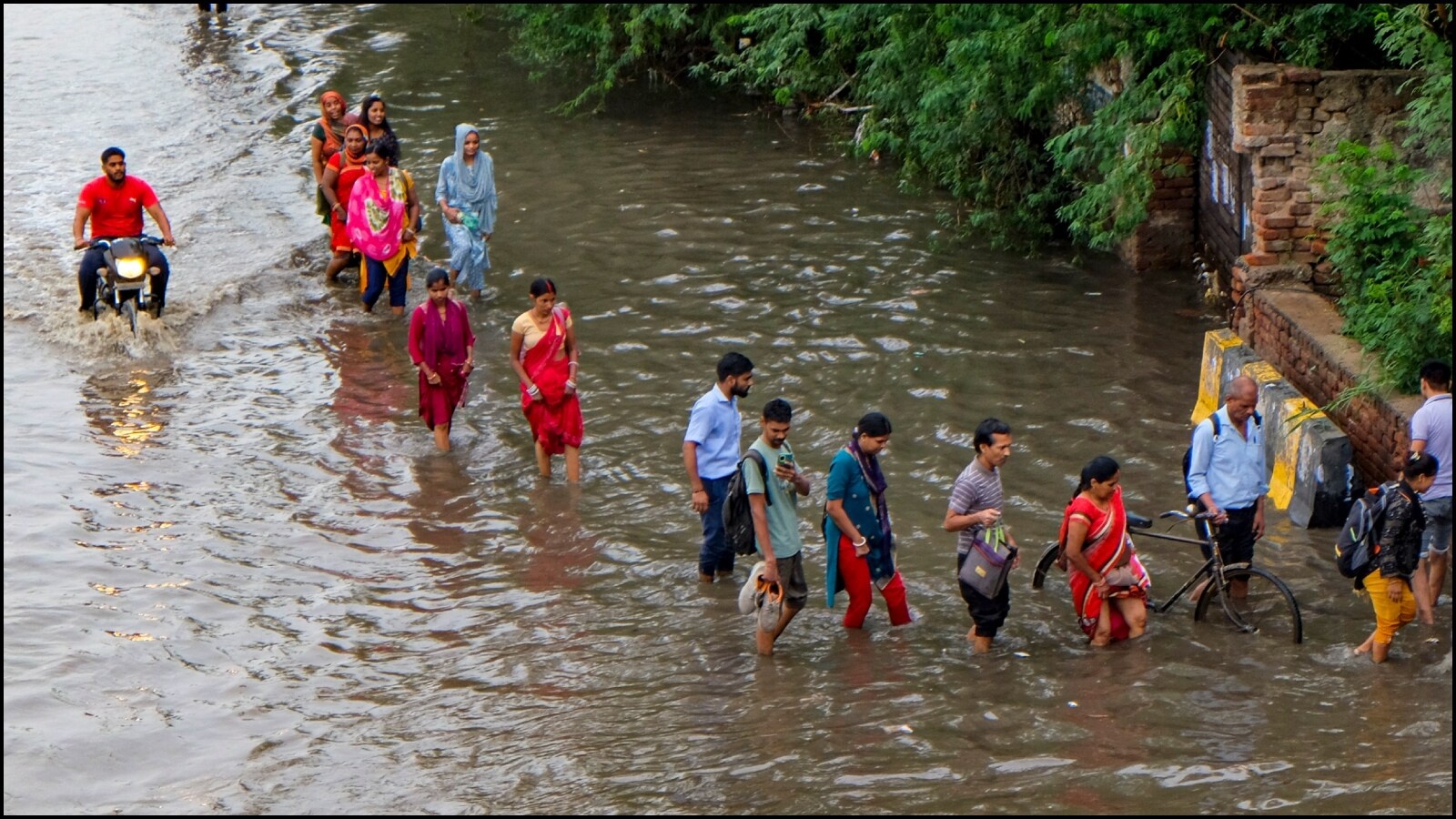
Gurugram Flood Control Plan Targets Monsoon Readiness
With the monsoon season approaching, authorities in Gurugram have initiated a time-bound strategy to address recurring waterlogging, placing renewed focus on drainage efficiency and road infrastructure. The Gurugram flood control plan signals an attempt to shift from reactive responses to a more structured, pre-emptive approach to urban flooding—an issue that has consistently disrupted mobility and economic activity in the city. Senior officials at the Gurugram Metropolitan Development Authority have directed departments to prioritise critical road corridors and drainage networks, ensuring visible improvements before peak rainfall begins. Key arterial stretches linking commercial and residential zones are under review, with instructions to clear construction debris and improve dust management to prevent blockage of stormwater systems.
The Gurugram flood control plan also includes the preparation of a comprehensive infrastructure inventory, mapping roads, footpaths, drainage lines, and green belts. Urban planners suggest that such integrated datasets are essential for identifying bottlenecks and ensuring that different components of the urban system—such as surface drains and master drains—function cohesively. A major focus area is the acceleration of ongoing stormwater projects, particularly along high-risk corridors like the Southern Peripheral Road and sections connected to national highways. Officials have emphasised the need for uninterrupted connectivity between local drains and larger outflow channels, a factor often cited as a key cause of urban flooding when absent. In parallel, desilting operations and restoration of natural drainage channels are being undertaken to improve water flow capacity. Measures such as increasing the number of road gullies and constructing check dams in nearby hilly regions are also part of the strategy. Experts note that integrating natural and engineered solutions can enhance resilience, especially in cities like Gurugram, where rapid urbanisation has altered traditional water pathways.
The Gurugram flood control plan extends beyond drainage to include urban design interventions. Development of green buffers along major roads is being encouraged to prevent illegal dumping and improve water absorption. Such measures align with broader climate-resilient planning practices, where vegetation and permeable surfaces are used to manage runoff. From an economic standpoint, reducing waterlogging has direct implications for business continuity, real estate stability, and investor confidence. Frequent flooding not only disrupts daily commuting but also impacts property values and infrastructure longevity. Industry observers highlight that predictable urban services are critical for sustaining Gurugram’s position as a corporate and residential hub. However, execution remains the key challenge. Past efforts have often been undermined by fragmented implementation and lack of inter-agency coordination. Experts stress the importance of accountability frameworks, real-time monitoring, and citizen reporting mechanisms to ensure that planned interventions translate into on-ground outcomes.
As climate variability increases the intensity of rainfall events, cities are being compelled to rethink drainage and mobility systems. The Gurugram flood control plan represents a step towards more adaptive urban management, but its effectiveness will depend on timely delivery and sustained maintenance beyond the monsoon cycle.