Delhi Yamuna Froth Raises Pollution And Flow Concerns
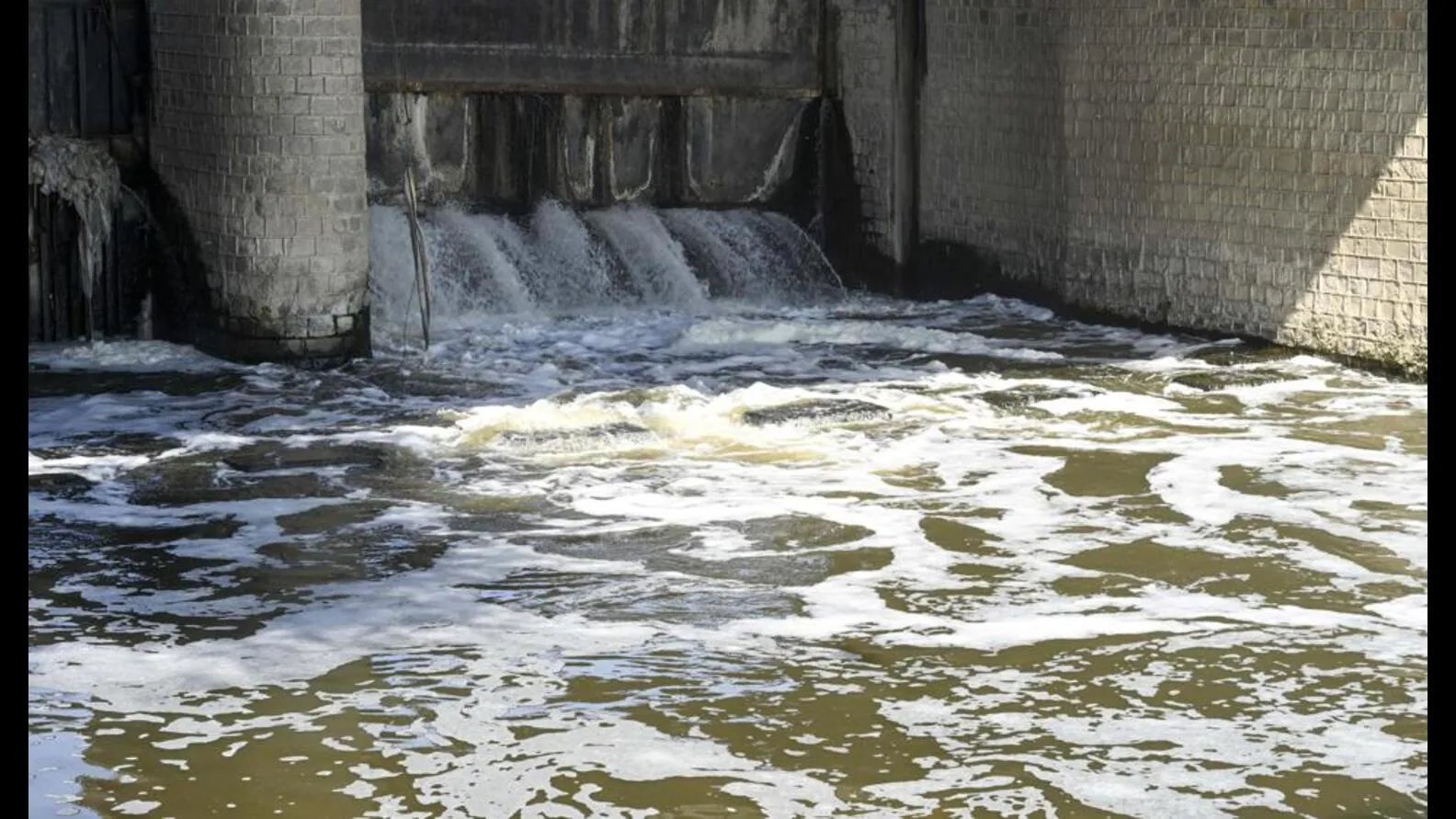
The reappearance of foam on a stretch of the Yamuna River near Kalindi Kunj has triggered renewed scrutiny of river health and urban wastewater systems in Delhi. Authorities conducting a joint inspection have linked the Delhi Yamuna froth to a combination of hydraulic conditions at the Okhla Barrage and the presence of untreated pollutants, highlighting persistent gaps in river management. Officials and technical experts involved in the assessment indicate that turbulence created by water flow over the barrage can agitate pollutants already present in the river, making them visible as foam. While this explains the localised formation of froth, it does not fully account for the underlying issue—the continued inflow of contaminants into the river system.
Environmental specialists point to surfactants from domestic wastewater, industrial discharge from small-scale units, and effluents from informal washing clusters as key contributors. These substances reduce surface tension in water, enabling foam formation when combined with mechanical agitation. Low river flow, particularly outside the monsoon season, further concentrates pollutants and intensifies the effect. The Delhi Yamuna froth phenomenon has long been a visible indicator of deeper systemic challenges in urban water management. Despite investments in sewage treatment infrastructure, a significant volume of untreated or partially treated wastewater continues to enter the river through drains. Experts note that operational inefficiencies, capacity gaps, and illegal connections often undermine treatment outcomes. From an urban development perspective, the issue carries broader implications. Rivers such as the Yamuna River are central to ecological balance, groundwater recharge, and public health. Persistent pollution not only degrades environmental quality but also affects adjacent land values, recreational potential, and long-term urban resilience.
Authorities have indicated that enforcement measures will be strengthened against polluting sources, alongside closer monitoring of treatment facilities. There is also an emphasis on inter-state coordination, given that the river flows across administrative boundaries and requires joint governance between Delhi and upstream regions in Uttar Pradesh. Urban planners highlight that addressing Delhi Yamuna froth requires a multi-layered approach. Beyond infrastructure upgrades, solutions must include stricter compliance mechanisms, decentralised wastewater treatment, and behavioural shifts in detergent and chemical usage. Restoring ecological flows in the river is equally critical, as higher water volumes can dilute pollutants and reduce stagnation. The episode also underscores the importance of integrating blue-green infrastructure into city planning. Reviving riverfronts, protecting floodplains, and reducing direct discharge into natural water bodies are increasingly seen as essential strategies for climate-resilient urban growth.
As Delhi continues to expand, the management of its primary river system will remain a key test of governance capacity. The recurrence of Delhi Yamuna froth serves as both a warning signal and an opportunity to align infrastructure, enforcement, and ecological priorities in pursuit of a cleaner and more sustainable urban environment.