


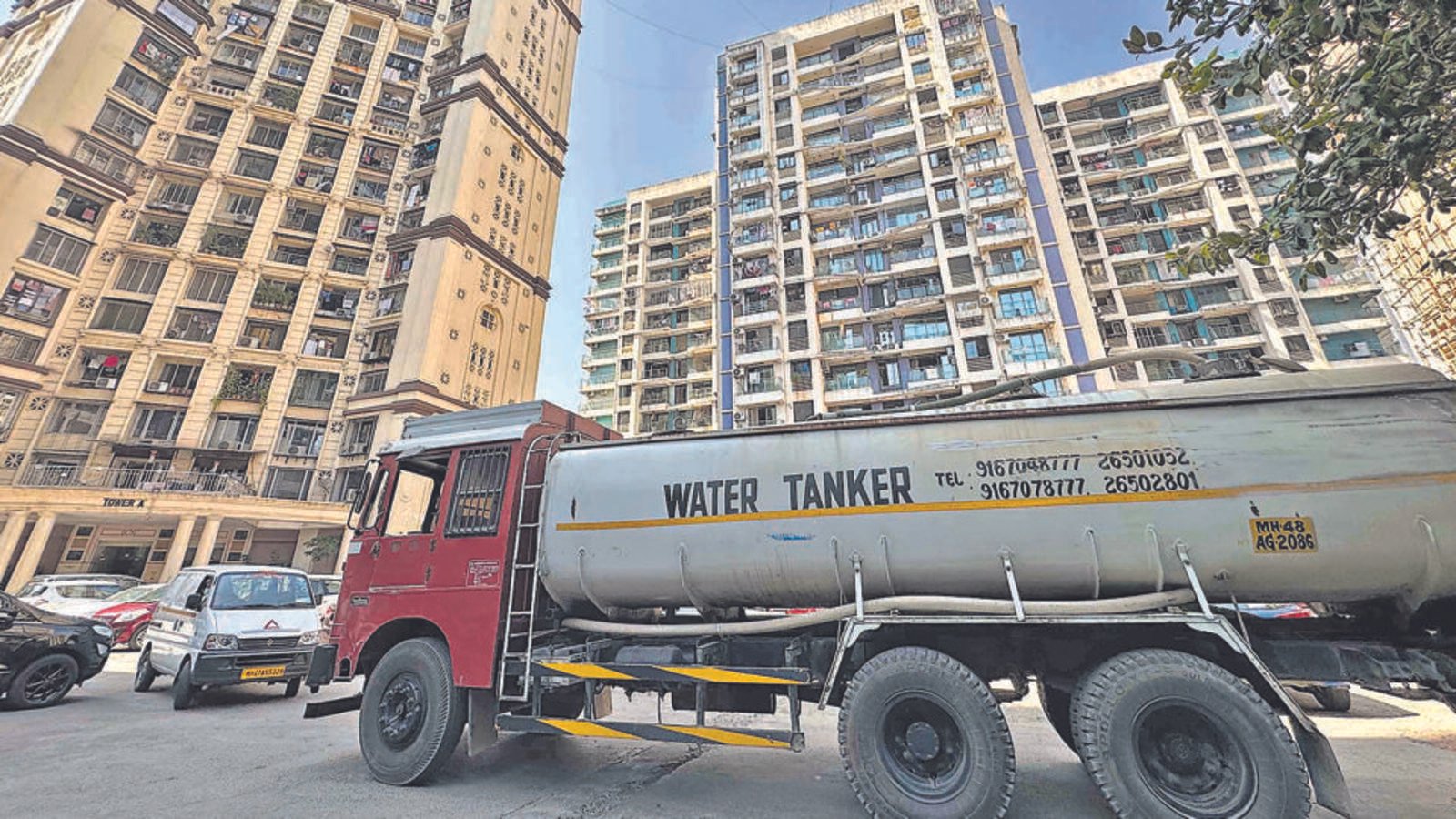
Nagpur is facing a significant challenge in managing its urban water supply, with substantial daily losses undermining distribution efficiency even as the city diverts water resources from irrigation to meet rising demand. The Nagpur water losses issue highlights systemic inefficiencies that could have long-term implications for both urban sustainability and regional water equity. Estimates indicate that a large volume of treated water is being lost every day due to leakages, transmission gaps, and distribution inefficiencies. This comes at a time when water is being reallocated from agricultural use to support the city’s growing population, intensifying concerns around resource management and competing demands.
The scale of Nagpur water losses points to ageing infrastructure and gaps in monitoring systems. Urban planners note that non-revenue water—water that is produced but not billed due to leaks or theft—is a common challenge in Indian cities. However, when losses reach significant levels, they not only strain municipal finances but also limit the effectiveness of supply augmentation efforts. For Nagpur, the situation is particularly critical as the city continues to expand. Increasing population density and new development zones are placing additional pressure on existing water infrastructure. Without addressing distribution inefficiencies, efforts to source additional water may offer only temporary relief. The Nagpur water losses issue also raises questions about the sustainability of diverting water from irrigation. Agricultural sectors in surrounding regions depend on these resources, and reallocation can impact rural livelihoods. Experts argue that improving urban water efficiency should be prioritised before expanding extraction from shared water sources. From an environmental perspective, reducing water losses is essential for building climate-resilient cities. With changing rainfall patterns and increasing water stress across many regions, efficient use of available resources is becoming a critical component of urban planning. Investments in leak detection, pipeline upgrades, and smart metering can significantly reduce losses and improve system performance. Economic implications are also evident. High levels of non-revenue water translate into financial losses for municipal bodies, affecting their ability to invest in infrastructure upgrades. Addressing Nagpur water losses could therefore improve both service delivery and fiscal sustainability. A senior civic official indicated that efforts are underway to identify leakage hotspots and strengthen monitoring mechanisms. However, experts caution that meaningful improvements will require sustained investment and institutional capacity building. The issue also underscores the importance of integrated water management strategies that balance urban and rural needs. Ensuring equitable access while maintaining ecological sustainability will be key as cities continue to grow.
As Nagpur navigates these challenges, the focus will need to shift towards improving efficiency within existing systems. Reducing Nagpur water losses offers one of the most immediate opportunities to enhance supply reliability without placing additional strain on already stressed water resources. Looking ahead, the effectiveness of corrective measures will determine whether the city can transition towards a more sustainable and equitable water management model, ensuring long-term resilience in the face of growing demand.
ALSO READ – Nagpur Rain Alert Signals Early Summer Weather Shift
Nagpur Water Losses Strain Urban Supply System
