



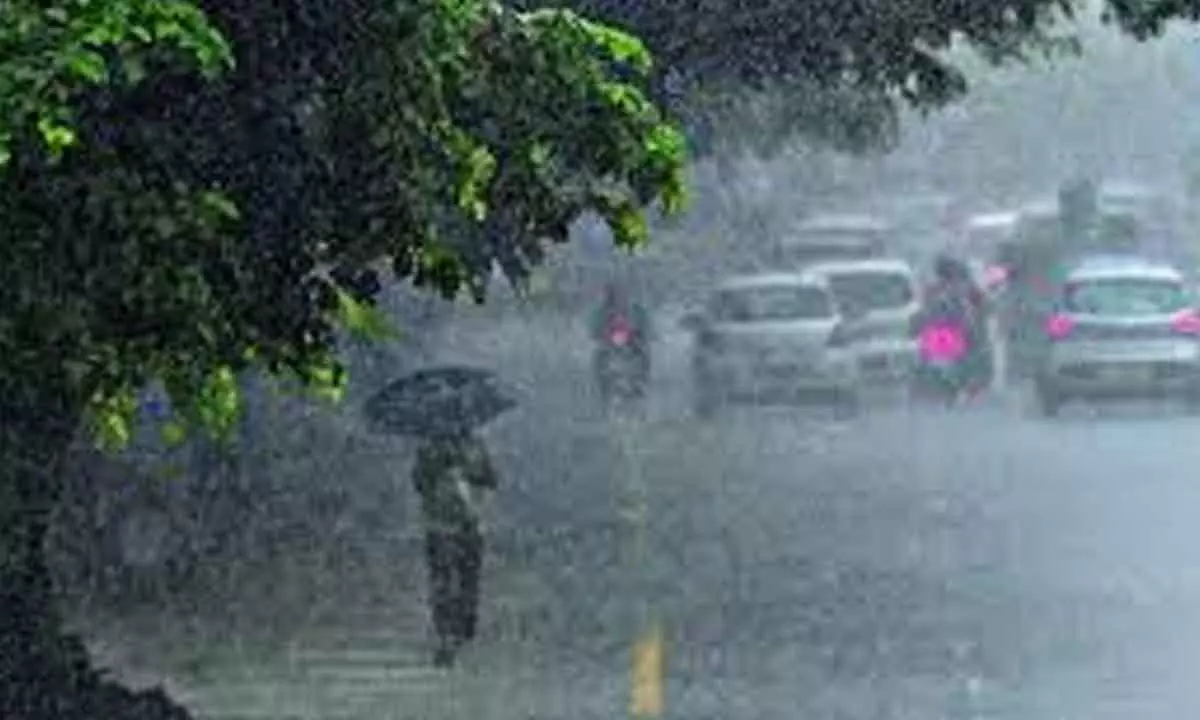
A fresh spell of rainfall across Nagpur and parts of Vidarbha is expected to bring temporary relief from rising temperatures, even as it underscores increasing unpredictability in pre-summer weather patterns. The Nagpur rain alert issued for the region signals short-term cooling but raises broader concerns about climate variability affecting urban systems and regional planning. Meteorological forecasts indicate light to moderate showers across eastern and western Vidarbha over the next few days. While such rainfall can ease early heat stress, experts note that unseasonal precipitation events are becoming more frequent, reflecting changing climate dynamics in central India.
The Nagpur rain alert comes at a time when cities are already preparing for peak summer conditions, including water demand management and heat mitigation strategies. Sudden weather shifts can disrupt these preparations, creating challenges for both civic authorities and residents. Urban planners highlight that even moderate rainfall can expose gaps in drainage and stormwater systems. In rapidly expanding cities like Nagpur, where urbanisation has outpaced infrastructure upgrades in some areas, short spells of rain can lead to localised waterlogging and traffic disruptions. This makes climate-resilient planning a priority, particularly in the context of erratic weather patterns. The Nagpur rain alert also carries implications for public health and urban services. Fluctuating temperatures combined with humidity can affect vulnerable populations, while sudden rain events may impact construction activity and outdoor labour sectors. Ensuring adaptive responses—such as flexible work planning and improved emergency preparedness—becomes essential in such scenarios. In surrounding rural regions, the rainfall may provide limited benefits by improving soil moisture levels, but it also introduces uncertainty for agricultural cycles. Experts caution that irregular weather patterns can disrupt sowing schedules and crop planning, especially in areas dependent on predictable seasonal transitions. From a broader climate perspective, the Nagpur rain alert reflects a shift towards more volatile weather behaviour, where heatwaves are interspersed with sudden rainfall events. This pattern complicates long-term planning for water resources, infrastructure, and energy demand. Environmental experts suggest that cities must increasingly integrate real-time weather data into urban management systems. Early warning mechanisms, combined with responsive civic infrastructure, can help mitigate the impact of such events on daily life and economic activity.
While the immediate effect of the rainfall is likely to be a drop in temperatures and improved comfort levels, the larger challenge lies in adapting to a future where such fluctuations become the norm rather than the exception. As Nagpur and the wider Vidarbha region navigate this changing climate landscape, the focus will need to shift towards building systems that are flexible, responsive, and resilient—capable of handling both extremes of heat and sudden bursts of rainfall with equal efficiency.
ALSO READ – Nagpur Rooftop Solar Approval Shift Boosts Adoption
Nagpur Rain Alert Signals Early Summer Weather Shift
