


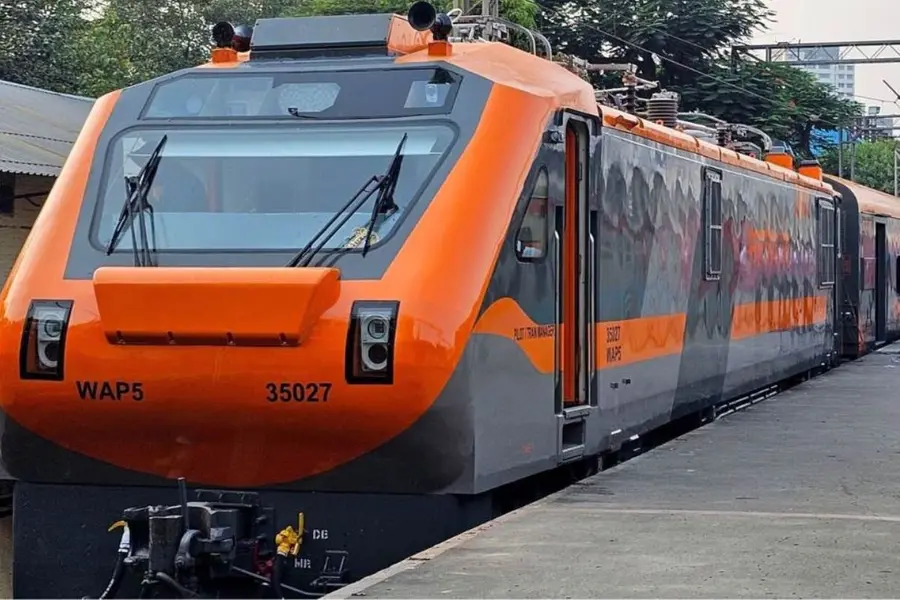
Rail authorities have introduced additional seasonal services between Mumbai and Pune to manage a surge in passenger demand during the summer period, reflecting growing pressure on one of Maharashtra’s busiest intercity corridors. The Mumbai Pune summer trains initiative is aimed at easing congestion, improving travel access, and ensuring smoother mobility between the two urban centres. Officials overseeing operations indicate that the additional trains are being deployed to accommodate higher passenger volumes driven by holidays, academic schedules, and increased leisure travel. The Mumbai–Pune route, which connects major economic and educational hubs, often experiences sharp seasonal spikes that strain existing rail capacity.
The introduction of Mumbai Pune summer trains highlights the critical role of flexible transport planning in rapidly urbanising regions. As cities expand and intercity travel becomes more frequent, transport systems must adapt to fluctuating demand patterns rather than relying solely on fixed schedules. Transport experts note that seasonal train services can provide immediate relief without requiring long-term infrastructure expansion. By temporarily increasing capacity, authorities can manage peak demand efficiently while maintaining service reliability. However, they also point out that recurring seasonal pressures may signal the need for more permanent capacity enhancements in the future. From an economic perspective, improved connectivity between Mumbai and Pune supports labour mobility, tourism, and business activity. The corridor is a key link between financial services, manufacturing, education, and technology sectors. Ensuring reliable and accessible transport during peak periods helps sustain economic interactions across these interconnected urban regions. The Mumbai Pune summer trains initiative also underscores the importance of public transport in reducing reliance on road travel. During high-demand periods, road congestion between the two cities can increase significantly, leading to longer travel times and higher emissions. Strengthening rail capacity offers a more efficient and environmentally sustainable alternative. Urban planners highlight that such measures align with broader goals of promoting low-carbon mobility. Rail transport, particularly when optimised for capacity, can significantly reduce per capita emissions compared to private vehicles. Expanding seasonal services can therefore contribute to both mobility efficiency and environmental objectives. However, experts caution that temporary measures must be complemented by long-term planning. As the Mumbai–Pune corridor continues to grow, investments in infrastructure, signalling upgrades, and multimodal integration will be essential to meet future demand sustainably.
Passenger convenience is another key consideration. Ensuring clear communication, ticket availability, and coordination with local transport systems can enhance the effectiveness of additional services. Without these, even increased capacity may not fully address commuter challenges. The rollout of Mumbai Pune summer trains reflects a responsive approach to managing seasonal travel pressures. As urban corridors across India continue to experience dynamic demand patterns, such adaptive strategies will play an important role in maintaining efficient, inclusive, and sustainable mobility systems.
ALSO READ – Indore Bullet Train Project Nears Operational Milestone
Nagpur Pune Summer Trains Ease Seasonal Travel Demand
