


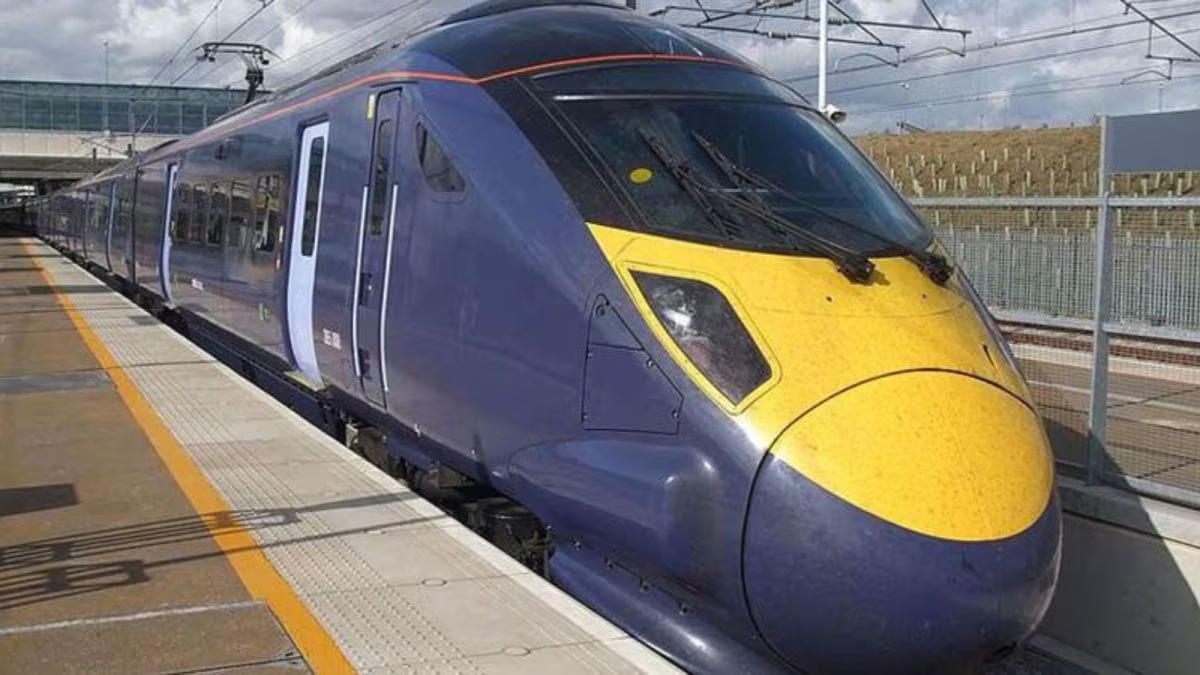
Indore’s first high-speed rail corridor is moving closer to operational reality, with authorities targeting a 2027 rollout for initial services. The India bullet train project, linking major economic centres on the western corridor, represents a significant shift in how long-distance travel and regional connectivity are being reimagined in the country. Construction progress has accelerated across multiple sections, with key civil works, track laying, and station development advancing in parallel. Officials overseeing the project indicate that the focus has now moved towards synchronising systems, including signalling, safety infrastructure, and rolling stock integration—critical steps before passenger operations can begin.
The India bullet train project is expected to substantially reduce travel time between major cities, offering an alternative to both air and conventional rail travel. Urban mobility experts note that such high-speed corridors can reshape travel behaviour by making intercity commutes faster and more predictable, potentially influencing where people live and work. Beyond transportation, the project carries wider economic implications. High-speed rail corridors often act as catalysts for regional development, encouraging investment along the route and boosting real estate activity around station hubs. Industry analysts suggest that cities connected by the India bullet train project could see increased business activity, improved labour mobility, and stronger economic integration. From an infrastructure perspective, the initiative marks a leap in technological capability. The adoption of high-speed rail systems requires advanced engineering standards, precision construction, and robust safety mechanisms. Experts highlight that the project could help build domestic expertise in complex rail technologies, with potential spillover benefits for future infrastructure programmes. However, the project also faces challenges typical of large-scale infrastructure development. Land acquisition, cost management, and coordination across multiple agencies remain key areas of focus. Ensuring timely completion while maintaining quality standards will be critical to meeting the 2027 target. The India bullet train project also intersects with sustainability goals. High-speed rail is generally considered a lower-emission alternative to short-haul aviation, particularly when powered by cleaner energy sources. As India seeks to reduce its carbon footprint, investments in efficient rail systems could play an important role in shifting travel patterns towards more sustainable modes. Urban planners emphasise that the long-term success of the project will depend on integration with existing transport networks. Seamless connectivity between high-speed rail stations, metro systems, and local transit options will be essential to maximise accessibility and ridership.
The development also raises questions about affordability and inclusivity. While high-speed rail offers speed and efficiency, ensuring that services are accessible to a broad segment of the population will be important for achieving wider social and economic benefits. As the timeline moves towards 2027, the India bullet train project stands at a pivotal stage. Its eventual rollout will not only redefine intercity travel but also test how effectively India can deliver next-generation infrastructure that balances speed, sustainability, and inclusivity in a rapidly urbanising landscape.
ALSO READ – Gujarat Storms Bring Relief Disrupt Regional Climate Pattern
India Bullet Train Project Nears Operational Milestone
