



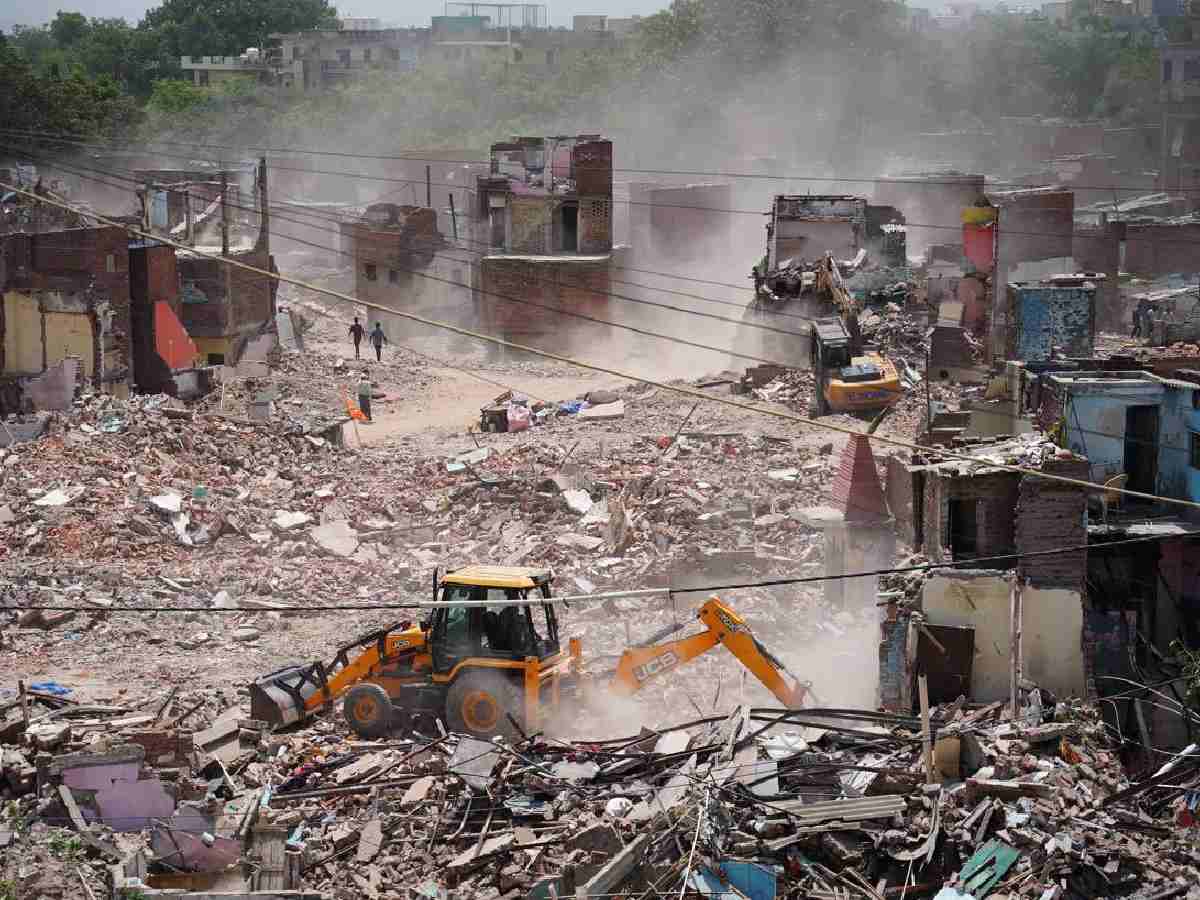
Indore has intensified efforts to upgrade informal settlements as part of a broader push to improve living conditions ahead of the next national cleanliness assessment cycle. The Indore slum transformation initiative is being positioned as both a public health intervention and a long-term urban development strategy, with authorities focusing on housing upgrades, sanitation access, and basic services. City officials indicate that multiple settlements are being prioritised for infrastructure improvements, including better waste management systems, drainage networks, and access to clean water. The aim is to address long-standing service gaps while aligning neighbourhoods with formal urban systems. The Indore slum transformation programme is also expected to enhance the city’s standing in national rankings that increasingly evaluate sanitation outcomes alongside broader liveability indicators.
Urban planners view the move as a necessary evolution in how cities approach informal housing. Rather than relying solely on relocation, the current strategy appears to emphasise in-situ upgrades—improving conditions within existing settlements. This approach is seen as more socially inclusive, as it minimises displacement and preserves access to livelihoods, particularly for residents working in nearby economic clusters. The Indore slum transformation effort also highlights the link between sanitation and climate resilience. Informal settlements are often more vulnerable to flooding, heat stress, and waste accumulation. Upgrading drainage and waste systems can reduce environmental risks while improving everyday living conditions. Experts suggest that integrating green infrastructure—such as permeable surfaces and community open spaces—could further strengthen resilience in these areas. From an economic perspective, improving basic infrastructure in informal settlements can unlock productivity gains. Better sanitation and housing conditions are associated with improved health outcomes, which in turn reduce income disruptions for low-income households. Additionally, formalising services can enable access to credit, utilities, and social welfare systems. However, challenges remain around scale and execution. Indore has a significant number of informal settlements, and upgrading them requires sustained funding, coordination across agencies, and community participation. A senior civic official indicated that partnerships with local groups and residents are being prioritised to ensure that interventions are both effective and locally relevant. The initiative also raises questions about long-term housing policy. While incremental improvements can address immediate needs, experts argue that cities must simultaneously plan for affordable housing supply to prevent the formation of new informal settlements. Without this, gains from current upgrades may be difficult to sustain.
The Indore slum transformation programme reflects a broader shift in urban governance, where sanitation, housing, and infrastructure are increasingly being addressed together rather than in isolation. As cities compete for national recognition, there is growing pressure to demonstrate measurable improvements on the ground. Looking ahead, the success of the initiative will depend on whether it can move beyond short-term targets and deliver lasting improvements in quality of life. If implemented effectively, the programme could offer a replicable model for other cities seeking to combine cleanliness goals with inclusive urban development.
ALSO READ – Indian Railways Upgrades Stations To Boost Urban Mobility
Indore Slum Transformation Drive Ahead Of Survey
