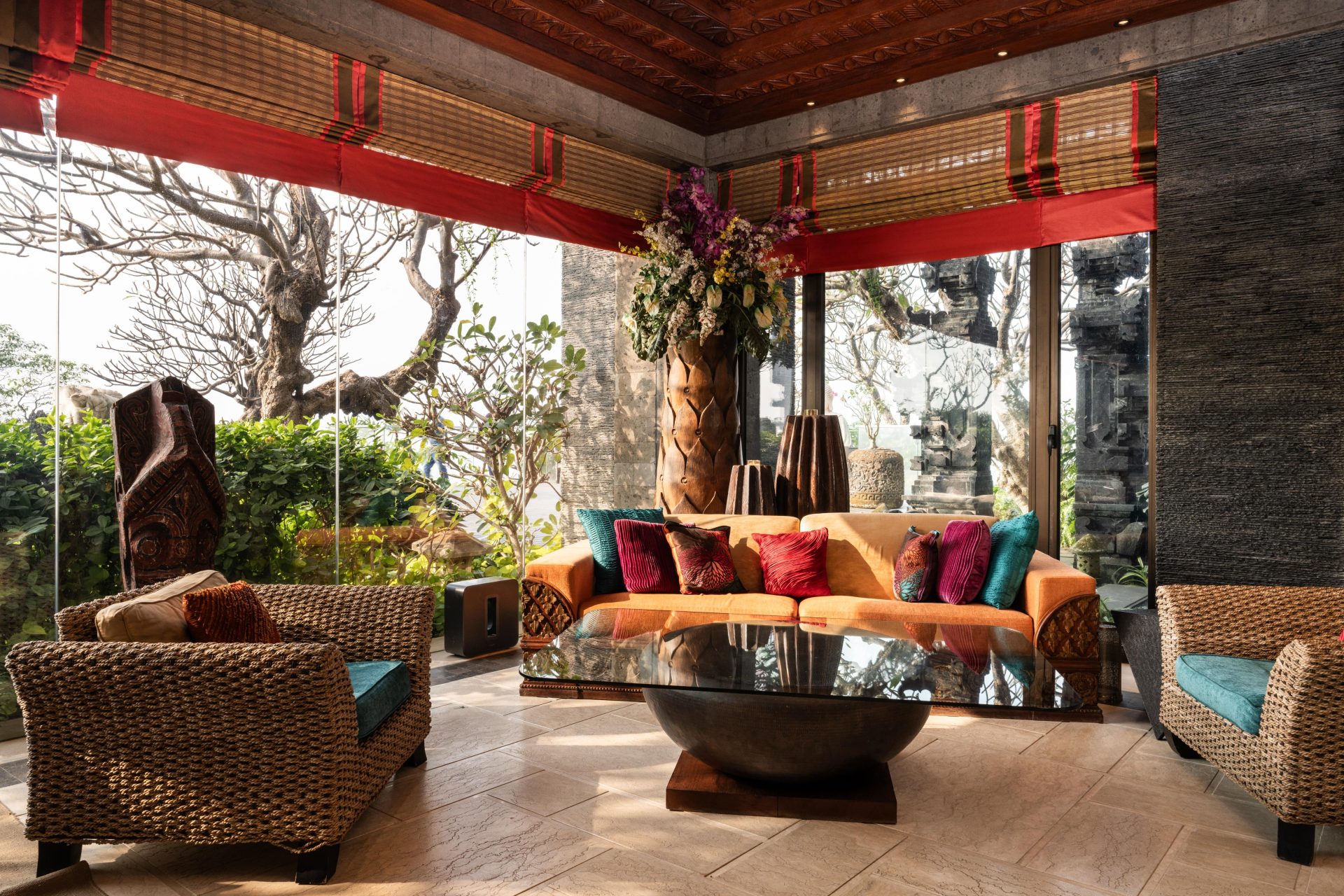
Mumbai Arth Architecture Redefines Rooftop Urban Living
In Mumbai’s dense urban landscape, where access to open space remains limited, a new rooftop project by Arth Architecture is rethinking how elevated spaces can function as both private retreats and extensions of urban living.The Mumbai-based design studio has developed a rooftop environment that moves beyond decorative terraces, positioning the space as an intentional, multi-functional zone integrated with everyday life. Conceived as a calm refuge above the city, the project reflects a growing shift in how rooftops are being designed in high-density environments.
At the core of the design is a focus on spatial fluidity—blending built structures with open areas to create a balance between shelter and exposure. Instead of treating the rooftop as an afterthought, Arth Architecture approaches it as a primary living layer, where social interaction, relaxation, and climate responsiveness intersect.This approach aligns with broader trends in Mumbai’s residential architecture, where vertical expansion is increasingly compensating for the lack of ground-level open spaces. Rooftops are emerging as critical assets in improving liveability, particularly in compact housing typologies where access to natural light, ventilation, and greenery is often constrained.The project also highlights the role of materiality and texture in shaping rooftop experiences. By incorporating warm, tactile finishes and carefully planned shading elements, the design mitigates heat gain while maintaining visual openness. Such interventions are especially relevant in coastal cities like Mumbai, where rooftop surfaces are exposed to intense sunlight and seasonal weather variations.
From an urban development perspective, the project reflects a subtle but important shift towards climate-responsive design. Rooftop spaces, when thoughtfully designed, can contribute to passive cooling, reduce heat island effects, and improve energy efficiency within buildings. The integration of shaded zones, vegetation, and breathable layouts demonstrates how small-scale architectural decisions can influence broader environmental outcomes.The work of Arth Architecture also underscores the importance of reimagining underutilised urban surfaces. In cities where horizontal expansion is limited, rooftops present an opportunity to create additional functional space without increasing the built footprint. This has implications not only for private residences but also for community-oriented developments, where shared rooftop areas can enhance social cohesion.Urban planners suggest that such design strategies could play a larger role in shaping future housing models, particularly as cities seek to balance density with quality of life. Rooftop interventions—ranging from green terraces to semi-open communal areas—are increasingly being recognised as tools for improving urban resilience and adaptability.
As Indian cities continue to densify, projects like this signal a broader evolution in architectural thinking—where rooftops are no longer residual spaces, but integral components of sustainable and people-centric urban design.