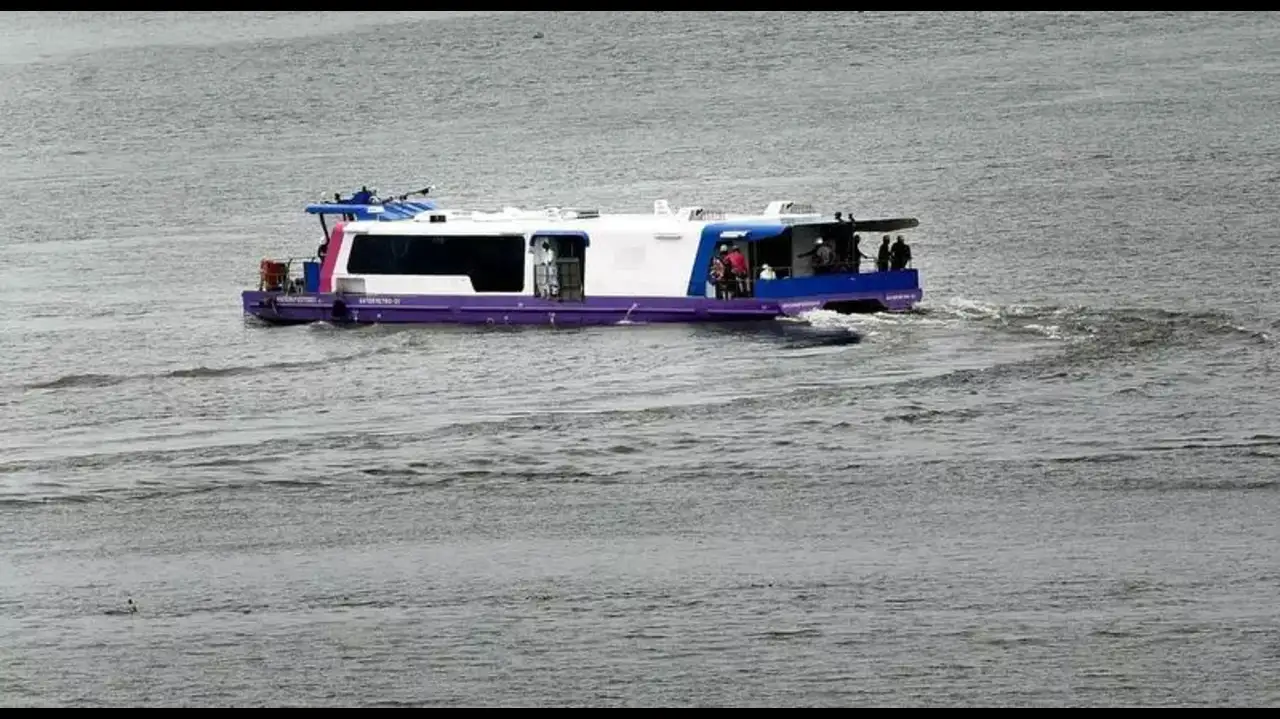
The proposed Mumbai Water Metro project has entered a decisive phase, with state authorities pushing for faster implementation across the Mumbai Metropolitan Region (MMR). The initiative, designed to introduce water-based passenger transport, is being positioned as a strategic addition to the region’s evolving urban mobility network.
At a recent high-level review, senior government officials emphasised the need to accelerate groundwork, including land identification for critical infrastructure such as shipyards and terminals. The project is expected to be rolled out in multiple phases, indicating a long-term approach to integrating waterways into the region’s public transport system. The Mumbai Water Metro project is being viewed as a complementary solution to the region’s existing transport modes, particularly as road and rail networks face increasing congestion. Urban mobility experts suggest that leveraging natural waterways could help redistribute commuter load while offering a lower-emission alternative aligned with climate-conscious planning goals.
Officials involved in the planning process indicate that the project blueprint has already been submitted and is under active consideration. Parallel discussions are also underway to develop supporting maritime infrastructure, including passenger terminals, docking facilities, and maintenance ecosystems. Proposed shipyard locations along the state’s coastline are being evaluated to support vessel construction and long-term operational needs. A key focus area is the push for localised manufacturing of boats and related systems. Industry observers note that developing in-state shipbuilding capacity could create new economic opportunities, strengthen supply chains, and reduce dependency on external procurement. This aligns with broader goals of fostering regional industrial growth alongside infrastructure expansion.
From an urban development perspective, the Mumbai Water Metro project could significantly influence land use patterns and real estate dynamics across coastal and creek-side zones. Improved connectivity through waterways has the potential to unlock underutilised areas, particularly in peripheral parts of the metropolitan region, while easing pressure on saturated corridors. Environmental planners also highlight the project’s potential to contribute to lower carbon emissions, provided it integrates clean energy technologies and sustainable operational practices. Water-based transport, when designed efficiently, can offer a more energy-efficient alternative to conventional modes, especially for short to medium-distance commuting.
However, experts caution that successful execution will depend on careful ecological assessment and stakeholder coordination. Issues such as water pollution, tidal variations, and coastal ecosystem sensitivity will need to be addressed to ensure that infrastructure development does not compromise environmental balance. As the Mumbai Metropolitan Region continues to expand, the need for diversified and resilient transport systems is becoming increasingly evident. The Mumbai Water Metro project represents an attempt to reimagine urban mobility by incorporating the city’s natural geography into its infrastructure strategy.
The coming months will be critical in translating planning momentum into on-ground progress, with stakeholders closely watching how the project navigates regulatory, environmental, and logistical challenges to deliver a viable and sustainable transit alternative.
Mumbai Water Metro Project Gains Implementation Momentum