Thane’s municipal administration has accelerated efforts to recover unpaid water bills, recording significant collections in the first half of March as part of a targeted financial and compliance drive. The initiative reflects a broader push by urban local bodies to strengthen revenue streams while improving service delivery in rapidly expanding metropolitan regions.
According to civic officials, the intensified campaign has yielded substantial recoveries within a short span, driven by a limited-period waiver scheme that removes accumulated interest and penalty charges on outstanding dues. The move has encouraged a surge in payments from both residential and commercial consumers, many of whom had deferred settlements due to mounting additional costs. The Thane water dues recovery effort comes at a time when urban infrastructure systems are under increasing financial pressure. Water supply networks require continuous investment for maintenance, capacity expansion, and climate resilience, making timely revenue collection critical for operational sustainability. Municipal finance experts note that such drives often help bridge short-term fiscal gaps while reinforcing payment discipline among consumers.
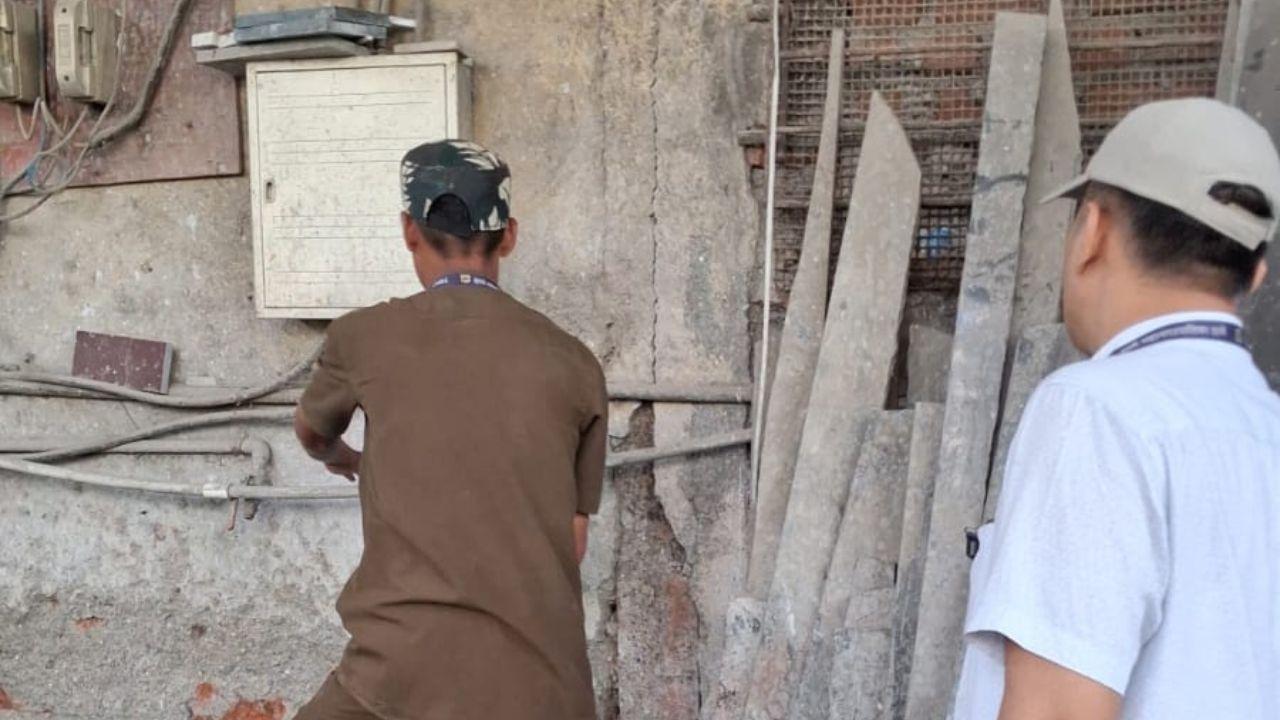
To strengthen compliance, the civic body has combined incentives with enforcement. Alongside the waiver scheme, authorities have initiated disconnections and other punitive measures against persistent defaulters. Several unauthorised water extraction systems have also been targeted, reflecting an attempt to curb leakages in both revenue and resource use. Ward-level data indicates that recovery performance has varied across the city, with higher collections observed in rapidly urbanising zones. These areas, characterised by dense residential growth and expanding commercial activity, often face higher demand for water services, making billing efficiency and compliance particularly important.
Urban planners highlight that the Thane water dues recovery drive is not merely a financial exercise but also linked to equitable service delivery. Non-payment of utility charges can disrupt the sustainability of shared infrastructure, ultimately affecting service quality for compliant users. Ensuring a fair and transparent billing system is therefore essential to maintaining trust between citizens and civic authorities. The ongoing waiver window is expected to remain open until the end of the financial year, after which stricter enforcement measures are likely to be implemented. Officials have indicated that continued non-compliance could lead to escalated action, including further disconnections and legal proceedings.
From a sustainability standpoint, efficient revenue recovery supports investments in modernising water infrastructure, reducing leakages, and improving distribution networks. As cities like Thane continue to grow, aligning financial management with infrastructure planning will be key to ensuring reliable and inclusive water access. The coming weeks will be crucial in determining the long-term impact of the Thane water dues recovery initiative. Beyond immediate collections, its success will depend on sustained compliance, improved billing systems, and the ability to reinvest revenues into resilient and efficient urban water services.
Thane Civic Push Boosts Water Dues Recovery Collection