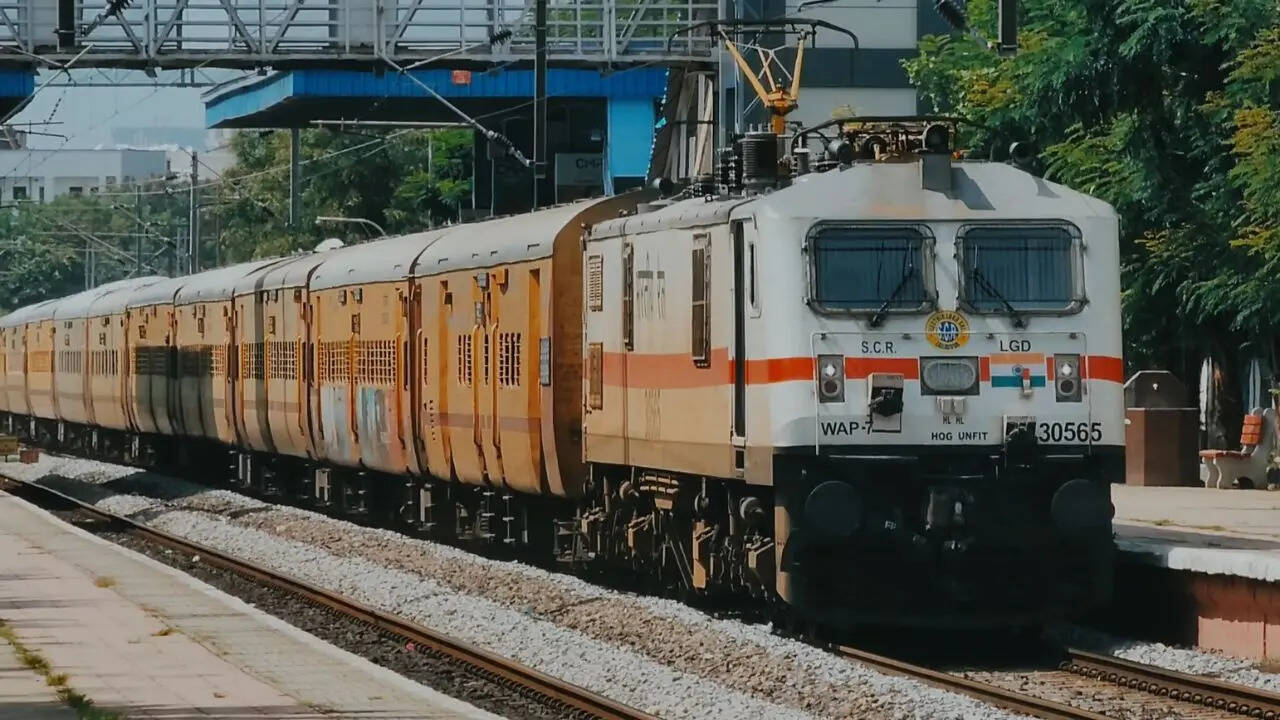
Pune’s intercity rail connectivity is set to strengthen this summer with the addition of special train services linking the city to Nagpur, aimed at easing seasonal travel pressure and improving passenger movement across Maharashtra. The move comes as demand for long-distance travel rises sharply during the holiday period, placing strain on existing rail capacity. The newly scheduled services will run weekly between Pune and Nagpur over a three-month window, providing an alternative to already crowded regular trains. For a city like Pune—where a large migrant workforce, student population, and business travellers rely heavily on rail—such capacity additions are seen as essential to maintaining mobility during peak periods.
Railway officials indicate that the Pune summer trains will operate with overnight connectivity, allowing passengers to travel between the two cities within a practical timeframe. The route also links multiple intermediate districts, improving access for smaller urban centres that depend on Pune for education, healthcare, and employment opportunities. Urban transport observers note that Pune summer trains play a critical role in balancing demand across transport modes. With highways between Pune and eastern Maharashtra witnessing increasing congestion and rising fuel costs, rail continues to offer a more efficient and environmentally sustainable option for long-distance travel. Shifting passengers to rail during high-demand periods can reduce pressure on road infrastructure while lowering emissions.
The expansion also has implications for the city’s broader economic ecosystem. Improved rail access supports labour mobility, enabling smoother movement of workers between industrial clusters in Pune and regions such as Vidarbha. It also strengthens social connectivity, particularly during school holidays and festive travel periods, when demand tends to peak. However, experts highlight that recurring reliance on seasonal services points to a deeper structural gap in rail planning. Pune’s rapid urbanisation and growing regional importance have not been fully matched by proportional increases in rail frequency or infrastructure upgrades. As a result, temporary interventions like Pune summer trains become necessary stopgaps rather than part of a long-term capacity strategy.
There is also a growing call to integrate such intercity services with local urban transport networks, including suburban rail and metro systems, to ensure seamless last-mile connectivity. Without this, the benefits of expanded rail services risk being diluted by congestion at arrival points within the city.
As the summer travel season approaches, the additional trains are expected to provide immediate relief to passengers. Yet, for a city positioning itself as a major economic and educational hub, the focus will increasingly shift towards building a more resilient, year-round rail network that aligns with sustainable and inclusive urban growth.
Pune Summer Trains Ease Nagpur Travel Demand