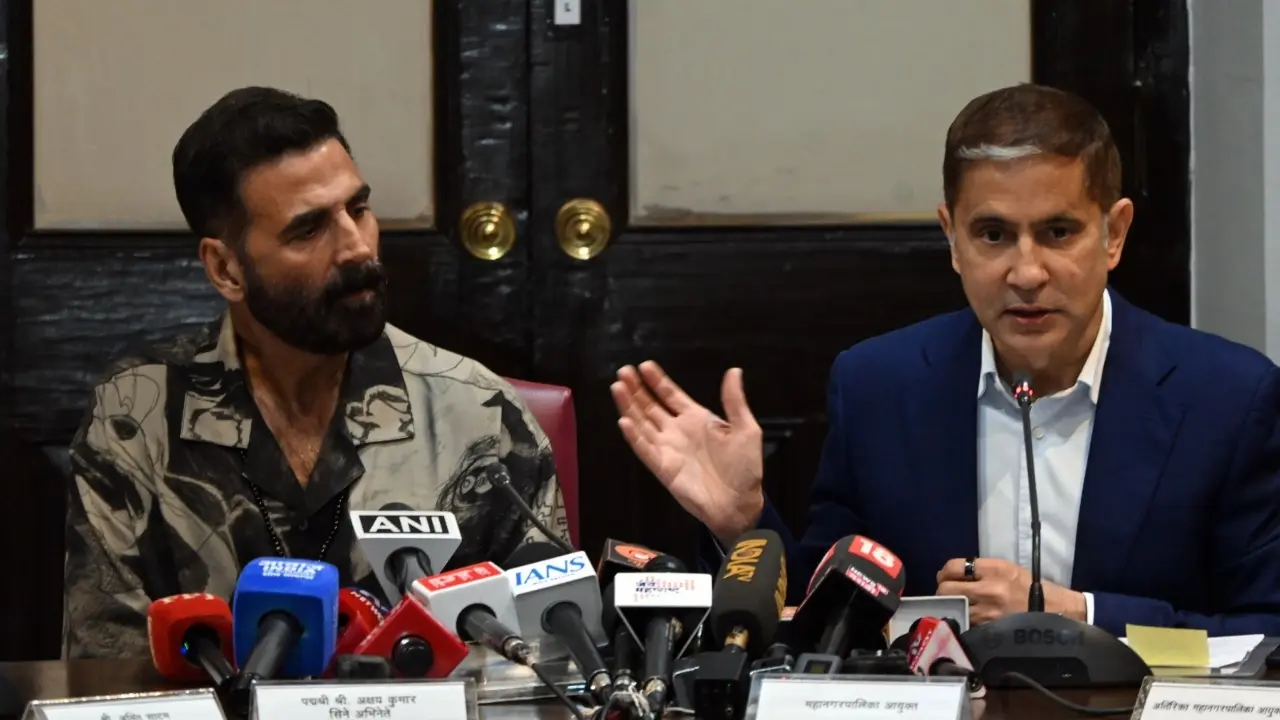
Mumbai’s municipal administration has introduced a citywide cleanliness initiative aimed at strengthening civic participation and improving sanitation outcomes across diverse urban spaces. The programme, designed as a structured competition, seeks to engage residents, institutions, and businesses in maintaining higher hygiene standards, reflecting a growing shift towards community-driven urban governance.
The initiative, titled the Mumbai Clean League, is being implemented across all administrative wards and will run through the year. It is open to a wide range of participants, including housing societies, educational institutions, informal settlements, commercial establishments, and public facilities. Civic officials indicate that the goal is to create a sustained behavioural shift rather than a one-time improvement in cleanliness metrics. Urban planners view such initiatives as critical in cities like Mumbai, where high population density and mixed land use create complex sanitation challenges. While municipal systems provide the backbone of waste management, the scale of daily waste generation necessitates active citizen involvement to ensure effective outcomes. Competitive frameworks, experts say, can help incentivise participation while making sanitation efforts more visible and measurable.
The Mumbai Clean League also aligns with broader national and global efforts to enhance urban liveability through improved waste management practices. Cleanliness rankings increasingly influence not just public health outcomes but also economic indicators such as tourism, investment attractiveness, and real estate value. For a city positioning itself as a global financial hub, maintaining high sanitation standards is a key component of urban competitiveness. Officials have indicated that the programme will include structured evaluation mechanisms, potentially supported by digital monitoring tools to ensure transparency. Independent assessments are expected to play a role in maintaining credibility, particularly in a competition that spans multiple categories and geographies within the city. These categories are likely to cover residential areas, commercial zones, public infrastructure, and community-managed spaces, reflecting the interconnected nature of urban cleanliness.
From a sustainability perspective, the initiative offers an opportunity to integrate better waste segregation practices, reduce landfill dependency, and promote decentralised waste processing. Environmental experts note that such programmes can act as entry points for broader climate-resilient urban systems, especially when linked to long-term policy measures. The involvement of public figures in conceptualising the initiative highlights an evolving trend where civic campaigns draw on popular engagement to amplify reach. However, governance experts emphasise that the long-term success of the Mumbai Clean League will depend on consistent enforcement, infrastructure support, and continuity beyond the competition period.
As the programme unfolds, its effectiveness will be measured not just by awards or rankings, but by its ability to embed everyday behavioural change across communities. For Mumbai, the challenge lies in translating this momentum into a durable, inclusive, and sustainable urban sanitation model that supports both public health and economic resilience.
BMC Unveils Mumbai Clean League Backed By Actor Akshay Kumar