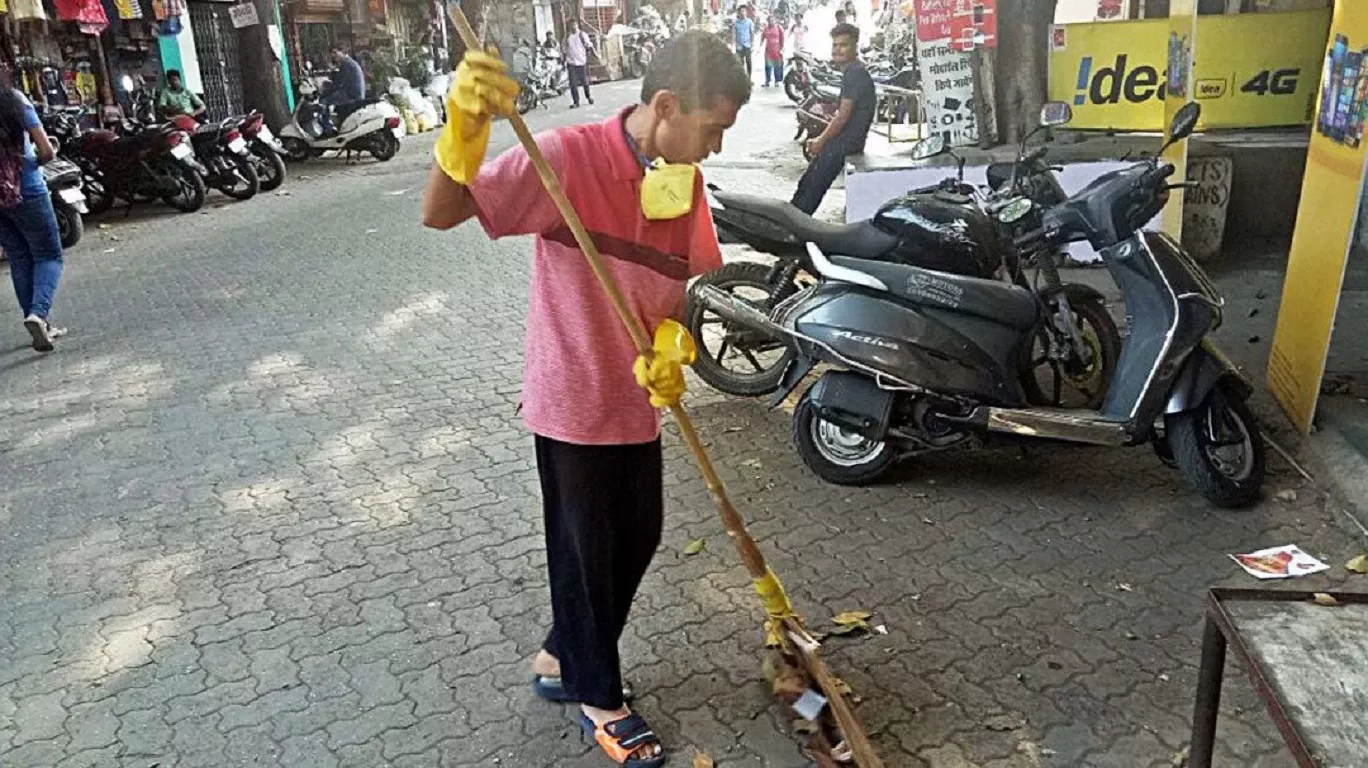
Mumbai’s municipal administration has rolled out a citywide cleanliness competition aimed at strengthening citizen participation in urban sanitation, as India’s financial capital seeks to improve waste management outcomes and overall liveability. The initiative comes at a time when dense urban centres are under pressure to balance population growth with sustainable public health systems.
The programme, structured as a competitive league across neighbourhoods and institutions, is designed to engage residents, businesses, and civic bodies in maintaining cleaner surroundings. Officials indicated that the effort will span all administrative wards, with participation expected from housing societies, informal settlements, commercial establishments, and public infrastructure facilities. Urban planners say such participatory models are increasingly critical in large cities like Mumbai, where municipal systems alone cannot address the scale of waste generation. By encouraging decentralised responsibility, the initiative attempts to shift behavioural patterns while improving on-ground execution of sanitation policies.
The Mumbai cleanliness competition introduces a wide range of evaluation categories, covering residential complexes, healthcare facilities, markets, public toilets, and open spaces. This multi-sector approach reflects the interconnected nature of urban hygiene, where gaps in one segment often affect the broader ecosystem. Experts note that including informal settlements and community-managed spaces could also help address long-standing disparities in service delivery. Financial incentives form a key component of the programme, with awards structured to recognise both localised efforts and ward-level performance. Urban economists highlight that such incentives can drive measurable improvements, particularly when linked to tangible benefits like tax concessions or civic recognition. However, they caution that sustained outcomes will depend on consistent monitoring and post-competition continuity.
To ensure transparency, the civic body plans to deploy digital tracking mechanisms, including QR-based monitoring systems. This aligns with a broader shift towards data-driven governance in urban India, where real-time assessment tools are being used to improve accountability in public service delivery. Independent evaluation by external agencies is also expected to strengthen credibility. The Mumbai cleanliness competition is also being positioned within the framework of national sanitation benchmarks, where city rankings influence funding flows, investor perception, and tourism potential. For a city with a complex mix of formal and informal development, maintaining high standards of cleanliness has direct implications for public health, environmental sustainability, and economic competitiveness.
Sustainability experts emphasise that while competitions can catalyse short-term improvements, long-term success will require systemic interventions such as waste segregation at source, decentralised processing, and reduced landfill dependency. Integrating these practices into everyday urban life remains a critical challenge. As the initiative progresses through the year, its impact will likely be measured not just by awards, but by its ability to embed lasting behavioural change. For Mumbai, the larger test lies in translating competitive momentum into durable, inclusive, and climate-conscious urban sanitation systems.
BMC Unveils Citywide Clean Drive To Boost Public Hygiene