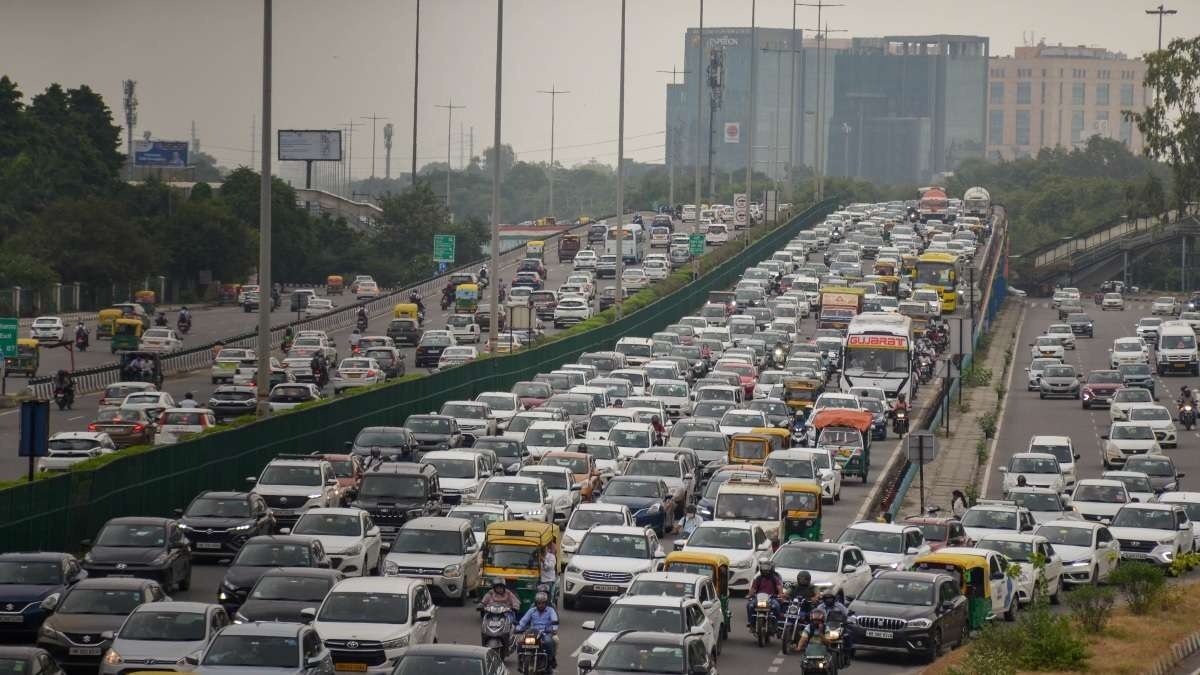
Gurugram Traffic Diversions Planned For Drain Construction
Gurugram is set to witness significant traffic diversions over the next two months as authorities begin construction of a deep drainage channel along a critical urban corridor linking key residential and industrial sectors. The move is aimed at strengthening stormwater infrastructure but is expected to disrupt daily commuting patterns across some of the city’s busiest routes. The planned works focus on a stretch that connects major growth zones, including emerging residential sectors and industrial clusters. Officials indicate that the drainage upgrade is designed to address persistent flooding issues that have historically affected mobility during the monsoon, often leading to prolonged congestion and economic slowdowns.
To manage the impact, traffic authorities have introduced a series of traffic diversions, redirecting vehicles through alternative arterial routes such as the national highway network and nearby connector roads. These diversions are intended to maintain flow while ensuring commuter safety in construction zones, particularly in areas with high vehicular density. Commuters travelling between established junctions and newer sectors will need to adjust routes, with detours likely to increase travel time, especially during peak hours. Transport planners note that while such disruptions are unavoidable in infrastructure upgrades, their management plays a critical role in minimising productivity losses in a city that functions as a major corporate and logistics hub within the National Capital Region. The construction of a deep drain is part of a broader shift in Gurugram’s urban planning approach, which is increasingly prioritising long-term resilience over short-term convenience. Rapid urbanisation, combined with inadequate legacy drainage systems, has made the city vulnerable to waterlogging, affecting both residential neighbourhoods and commercial corridors.
Urban infrastructure experts highlight that projects of this nature are essential to ensure sustainable growth. Improved drainage capacity not only reduces flood risk but also enhances the longevity of road infrastructure and supports real estate stability by mitigating climate-related vulnerabilities. However, they caution that execution timelines and coordination between agencies will determine whether the benefits outweigh the immediate disruptions. Authorities have also advised commuters to plan journeys in advance and rely on updated traffic information to navigate the traffic diversions effectively. The success of such measures depends heavily on public cooperation, real-time monitoring, and adaptive traffic management strategies. From an economic standpoint, smoother drainage systems can have a cascading impact on urban efficiency, reducing downtime caused by flooded roads and improving overall connectivity. This is particularly relevant for Gurugram’s office districts, where delays can translate into measurable productivity losses. As the project progresses, attention will remain on whether the city can balance infrastructure expansion with commuter convenience.
With climate variability increasing the frequency of extreme rainfall events, investments in drainage infrastructure are becoming less optional and more foundational to urban resilience. The coming weeks will test both the effectiveness of the diversion plan and the city’s capacity to deliver critical infrastructure without prolonged disruption to its fast-moving urban ecosystem.