Gurugram Strengthens Flood Control Systems For Monsoon
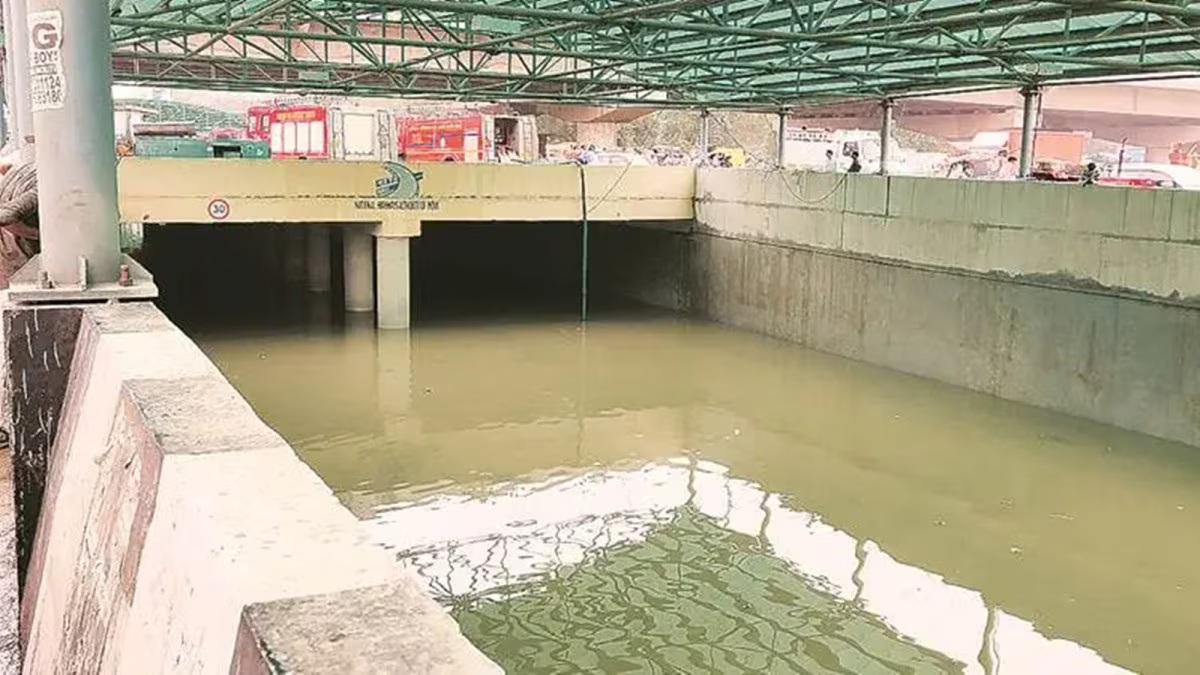
Gurugram has intensified its flood control measures ahead of peak monsoon activity, deploying a combination of infrastructure upgrades, real-time monitoring, and emergency response systems to mitigate chronic waterlogging across the city. The initiative reflects a broader push to improve urban resilience in a region where heavy rainfall frequently disrupts mobility and economic activity. At the centre of this effort is a dedicated control unit operating continuously to coordinate field operations and manage flood response. Authorities have installed high-capacity pumping systems at several critical junctions known for recurrent water accumulation.
These systems are designed to rapidly remove stormwater during intense downpours, reducing the duration of road submergence and easing traffic congestion. To complement fixed infrastructure, mobile pumping units and suction equipment have been positioned for rapid deployment across different zones. Officials indicate that this flexible approach allows response teams to address emerging problem areas in real time, particularly in rapidly urbanising sectors where drainage systems are still evolving. The city’s flood control measures also include preventive maintenance of drainage networks. Dedicated teams have been assigned to clear road gullies, stormwater inlets, and key sections of the sewer system along major corridors. Urban planners note that such routine upkeep is critical, as blockages caused by debris and silt are among the primary reasons for urban flooding, even during moderate rainfall events. Continuous patrolling of vulnerable stretches has been introduced to ensure early detection of waterlogging and faster intervention. This proactive surveillance model aims to reduce response time and minimise disruption to daily life, particularly for commuters and commercial transport. Authorities have also strengthened citizen engagement through multiple reporting channels, enabling residents to flag waterlogging issues directly.
Complaints are routed to field teams for immediate action, reflecting a shift towards more responsive urban governance. Experts suggest that integrating citizen feedback into operational systems can significantly improve service delivery and accountability. The economic implications of recurring waterlogging in Gurugram are substantial. As a major corporate and residential hub, disruptions to road connectivity can affect office attendance, logistics, and retail activity. Real estate stakeholders have long flagged drainage inefficiencies as a factor influencing property values and investor confidence in certain micro-markets. From a sustainability perspective, the current strategy highlights the need for long-term solutions beyond reactive pumping. Urban infrastructure specialists advocate for integrated stormwater management systems, including permeable surfaces, retention basins, and natural drainage restoration, to reduce dependency on mechanical interventions. While the enhanced flood control measures may provide immediate relief during the ongoing monsoon, their effectiveness will depend on consistent execution and coordination across agencies.
As rainfall patterns grow increasingly unpredictable due to climate change, cities like Gurugram will need to transition from short-term mitigation to comprehensive resilience planning. The coming weeks will serve as a critical test of whether these measures can meaningfully reduce disruption and set a foundation for more sustainable urban water management in the future.