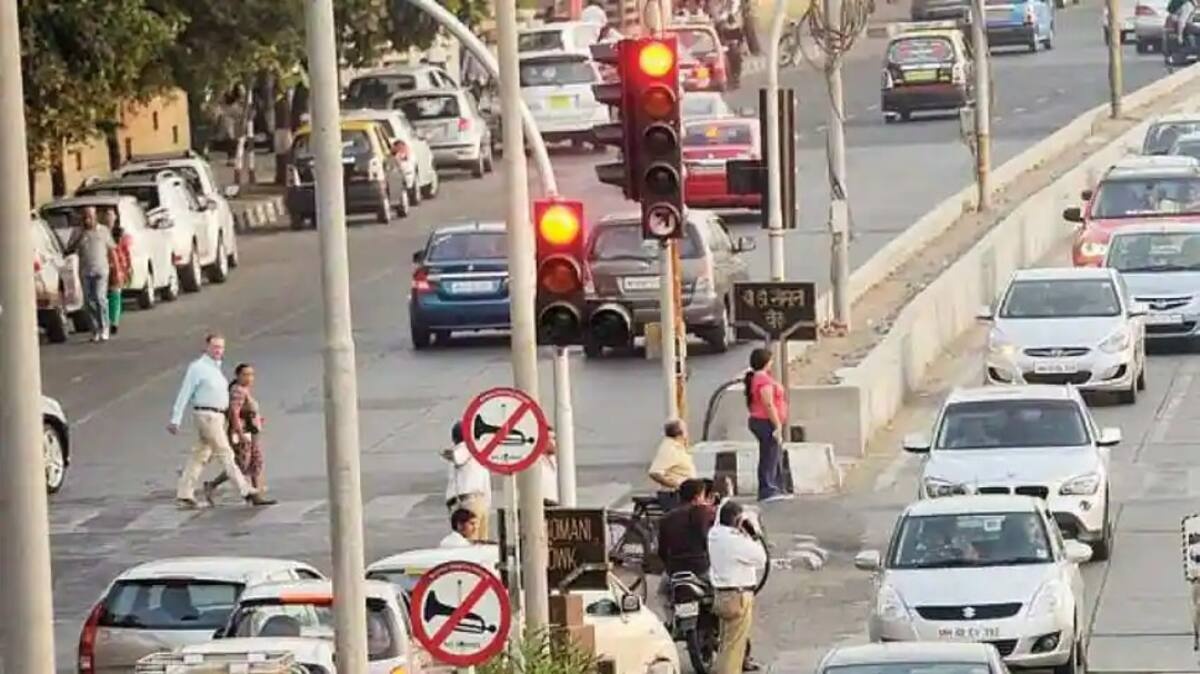
Delhi Pushes Audio Traffic Signals For Safer Streets
Delhi’s urban mobility framework is facing renewed scrutiny as policymakers push for inclusive interventions to improve pedestrian safety. A proposal to introduce audio traffic signals across key intersections aims to address long-standing accessibility gaps, particularly for visually impaired residents and elderly pedestrians navigating high-traffic corridors. The recommendation, currently under consideration by city authorities, highlights the limitations of existing signal systems that rely primarily on visual cues. For a significant section of the population with varying degrees of vision impairment, these systems offer limited usability, often increasing dependence on assistance and exposing individuals to higher risks while crossing roads.
Urban safety experts note that the introduction of audio traffic signals could significantly enhance independent mobility. These systems use sound-based cues to indicate when it is safe to cross, improving situational awareness in complex traffic environments. In dense urban settings such as Delhi, where pedestrian and vehicular flows frequently intersect without clear segregation, such measures can play a critical role in reducing accidents. Estimates from medical institutions suggest that a substantial number of residents experience visual challenges, ranging from mild impairment to severe vision loss. This demographic, combined with an ageing urban population, underscores the need for infrastructure that accommodates diverse physical abilities. Inclusive street design is increasingly recognised as a cornerstone of equitable urban development, ensuring that mobility is not restricted by physical limitations. Globally, cities in developed economies have integrated auditory signalling systems as part of broader universal design frameworks.
These interventions are often complemented by tactile paving, better signage, and pedestrian-priority crossings. Urban planners argue that adopting similar practices in Indian cities would align with emerging standards for accessibility and sustainable mobility. From an economic standpoint, safer pedestrian infrastructure can influence urban productivity and real estate dynamics. Neighbourhoods with well-designed, accessible public spaces tend to attract higher footfall, support local businesses, and improve overall liveability. For developers and city planners, such interventions contribute to long-term value creation by enhancing the quality of the built environment. However, implementation challenges remain. Retrofitting existing intersections with audio-enabled systems requires coordination between multiple agencies, along with investments in technology, maintenance, and public awareness. Ensuring that these systems function reliably in noisy urban conditions is also critical to their effectiveness. The proposal reflects a broader shift towards people-centric urban planning, where infrastructure decisions are increasingly evaluated through the lens of inclusivity and safety.
As Delhi continues to expand and densify, integrating accessible design into its mobility systems will be key to building a more resilient and equitable city. The next phase will depend on how swiftly authorities can translate policy intent into on-ground execution, setting a precedent for other Indian cities grappling with similar accessibility challenges.