Delhi Strengthens Health Infrastructure For Future Growth
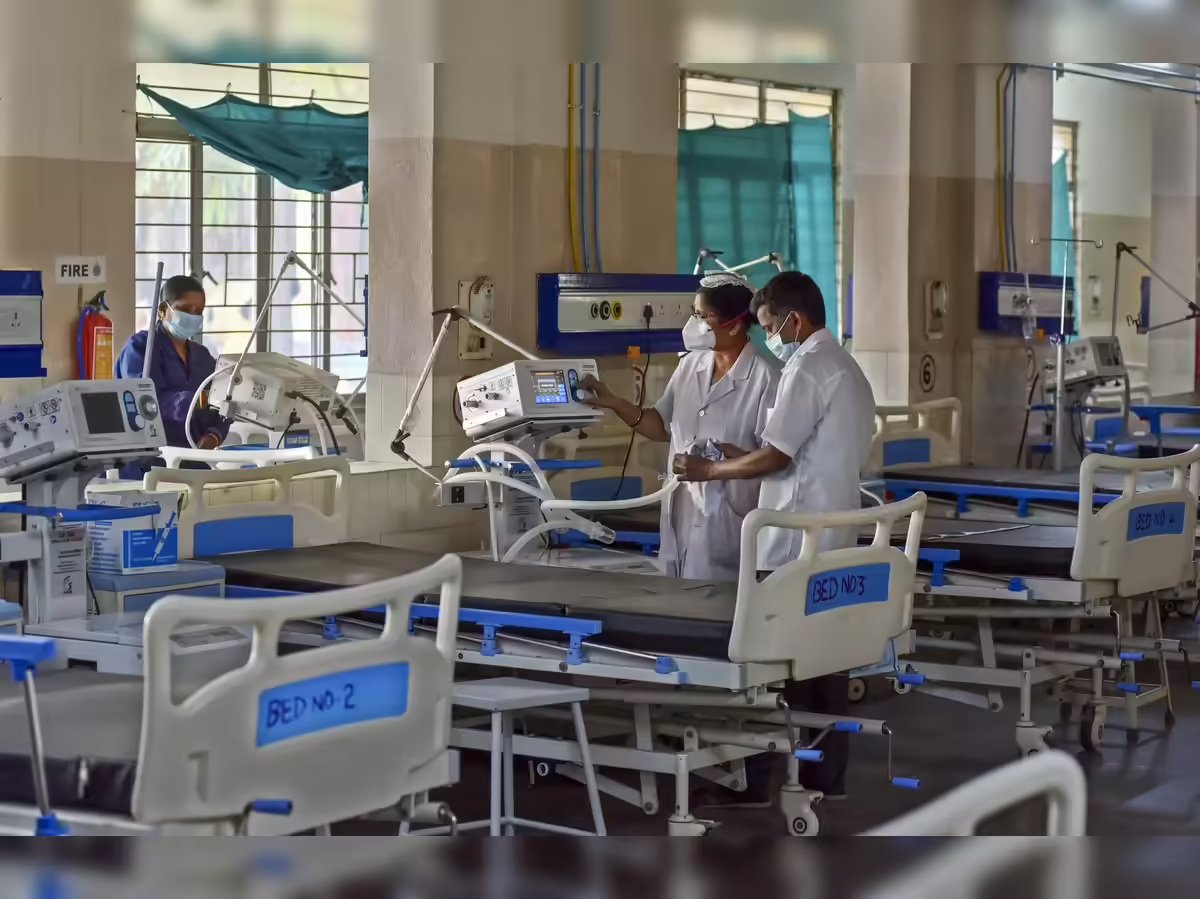
Delhi is moving to expand its public health systems alongside broader urban infrastructure upgrades, signalling a shift towards more integrated and financially structured city development. The government has outlined plans to strengthen hospitals, improve access to care, and align healthcare delivery with long-term urban growth objectives. At the centre of this push is a renewed focus on health infrastructure, with officials indicating that both primary and tertiary care facilities will be upgraded through better equipment, staffing, and service delivery systems. The approach aims to ensure that essential healthcare services are accessible across income groups, particularly for residents who depend on public facilities.
Urban development experts note that health infrastructure plays a critical role in shaping liveable cities. Reliable access to healthcare not only improves public well-being but also supports economic productivity by reducing vulnerability to health shocks. In rapidly growing cities like Delhi, the demand for hospital capacity and modern medical systems has intensified alongside population growth and environmental stress. To support these investments, the administration has initiated financial reforms aimed at improving resource management. A recent agreement with the central banking system is expected to streamline cash flow, debt handling, and fund allocation, enabling more predictable financing for large-scale infrastructure projects. Analysts suggest that such fiscal alignment could reduce project delays and ensure continuity in capital-intensive sectors like healthcare and transport. The government has also indicated that infrastructure spending will extend beyond healthcare to include roads, educational institutions, and public amenities. This reflects a broader strategy of linking physical infrastructure with social services, creating a more balanced urban ecosystem. Industry observers point out that such integration is essential for sustaining long-term growth, particularly in cities facing spatial inequality and uneven service distribution.
Parallel efforts are underway in environmental management, including the clearance of legacy waste at major landfill sites. Increasing processing capacity and introducing waste segregation measures are expected to reduce environmental risks and improve land use efficiency. These interventions, while not directly linked to healthcare, contribute to public health outcomes by addressing pollution and sanitation challenges. The emphasis on transparency and governance is another key element of the strategy. Officials have highlighted the need for clear frameworks and monitoring systems to ensure that public resources are used effectively, especially in sectors serving vulnerable populations. Strengthening institutional accountability is seen as critical to delivering consistent service quality across the city.
As Delhi positions itself for long-term urban transformation, the alignment of financial systems, infrastructure investment, and service delivery will be central to outcomes. The effectiveness of this approach will depend on execution capacity and the ability to scale improvements across neighbourhoods with varying levels of access.