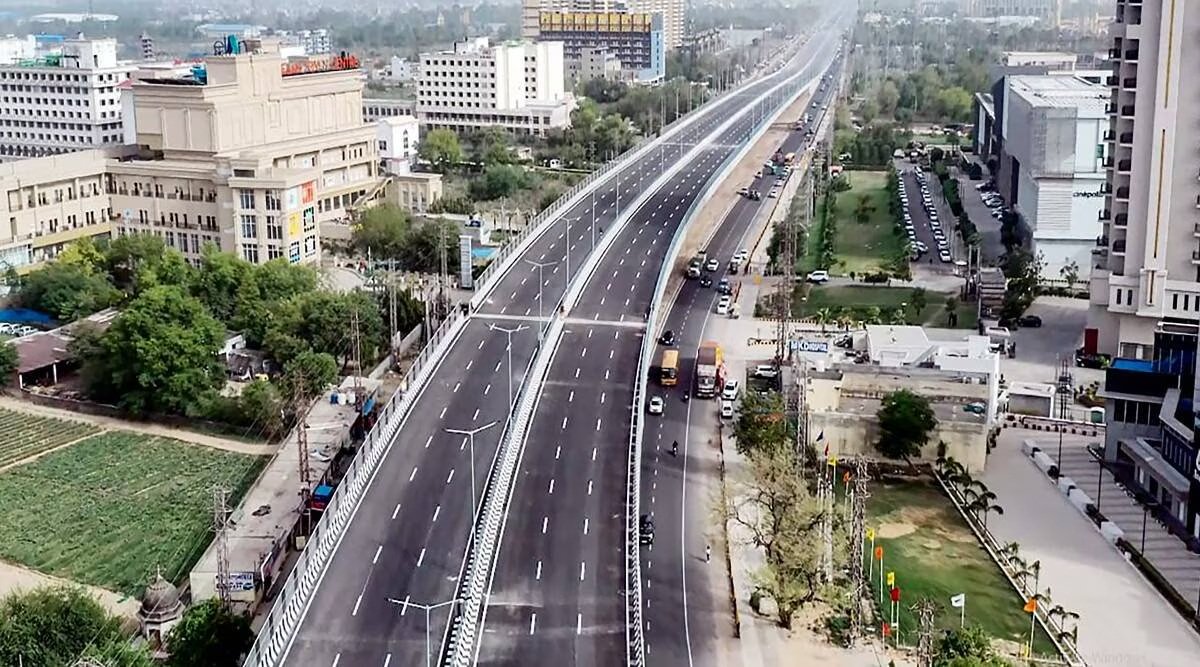
Delhi Accelerates Elevated Road Corridors For Connectivity
Delhi has cleared a new set of large-scale transport investments aimed at improving traffic flow across some of its most overburdened corridors, signalling a continued focus on road-based mobility solutions. The approved projects include the expansion of an existing east–south elevated link and the development of a multi-level arterial corridor in the southern part of the city, both intended to streamline daily commuting for millions. At the centre of the plan is the extension of a key elevated route connecting residential zones in east Delhi with institutional and commercial districts in the south. The project is expected to complete a missing segment in the network, enabling uninterrupted movement across a heavily trafficked urban spine. Officials say such elevated road corridors are designed to bypass surface-level congestion, particularly at junctions where signal delays contribute significantly to travel time.
In parallel, a second high-capacity corridor has been approved along one of south Delhi’s busiest stretches. The design incorporates a six-lane elevated carriageway along with underpasses and connecting ramps, creating a layered traffic system that separates through traffic from local movement. A phased construction strategy has been planned, beginning with a double-decker structure that integrates multiple levels of vehicular flow within a constrained urban right-of-way. Transport analysts note that elevated road corridors have become a recurring feature in Delhi’s infrastructure strategy, largely due to limited land availability and rising vehicle ownership. By lifting traffic above ground level, such projects can deliver immediate relief at congestion hotspots. However, their long-term effectiveness depends on how well they are integrated with public transport networks and demand management measures. The corridors are expected to improve connectivity across several densely populated neighbourhoods, reducing travel times and easing pressure on parallel routes. This could have wider economic implications, including improved access to employment hubs and potential appreciation in real estate values along newly connected stretches.
Enhanced accessibility often reshapes development patterns, attracting both residential and commercial investment. At the same time, urban planners highlight the need to balance road expansion with sustainability goals. Elevated structures can increase construction-related emissions and may encourage greater reliance on private vehicles if not complemented by strong public transport systems. Integrating these projects with metro networks, bus corridors, and pedestrian infrastructure will be critical to ensuring that mobility gains do not come at the cost of environmental performance.
Execution timelines have been set with a focus on near-term delivery, reflecting pressure to address congestion in a rapidly growing metropolis. As these projects move into the construction phase, their success will depend not only on engineering efficiency but also on governance, coordination, and long-term urban planning alignment.