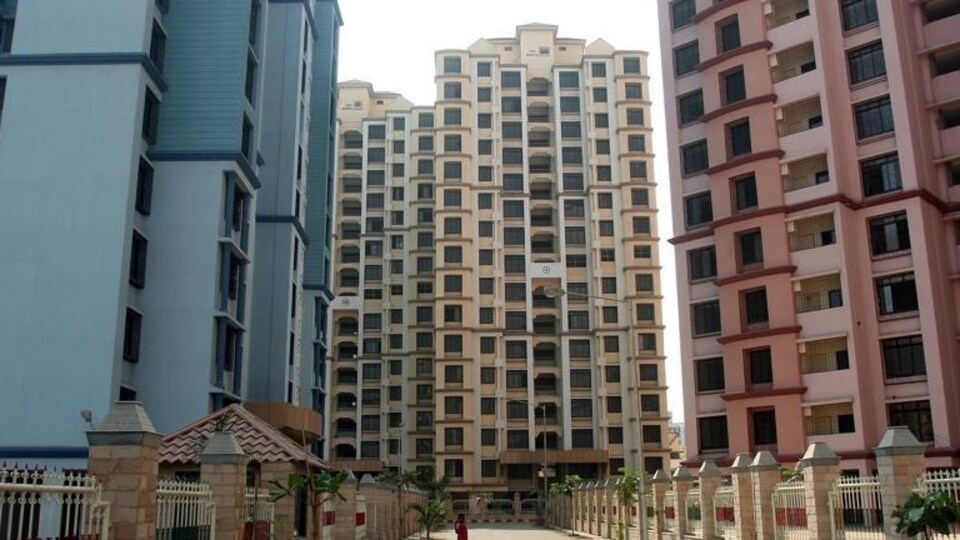
Mumbai is preparing for a fresh round of state-backed housing allocation, with the Maharashtra Housing and Area Development Authority expected to roll out a new draw for roughly 2,500 homes across the metropolitan region in the coming days. The move signals a renewed push to widen access to formal housing in one of India’s most expensive property markets, where affordability remains a persistent concern for large sections of the population.
The upcoming MHADA lottery is expected to include units spread across multiple neighbourhoods, cutting across income categories from economically weaker households to high-income buyers. Officials indicate that the allocation framework will continue to follow a tiered structure based on annual household earnings, ensuring that a share of inventory is reserved for lower-income applicants while also monetising premium units to support cross-subsidisation. For Mumbai, the return of the MHADA lottery carries broader significance beyond the immediate supply of homes. The city’s residential market has seen sustained demand and rising prices over the past year, driven by infrastructure upgrades, improved connectivity, and post-pandemic recovery in buyer sentiment. However, this growth has disproportionately benefited mid- to high-income segments, leaving a widening affordability gap for first-time buyers and informal sector workers.
Urban planners note that state-led housing programmes such as the MHADA lottery play a stabilising role by injecting relatively affordable stock into the market. While the number of units remains modest compared to the city’s overall housing shortage, these schemes offer a formal entry point into homeownership for households that would otherwise be priced out of private developments. The absence of a Mumbai draw last year had created pent-up demand, particularly among lower and middle-income applicants. The new round is therefore expected to see strong participation, especially as financing options have become more accessible and digital application processes have improved transparency in allocation.
From a policy perspective, the MHADA lottery also reflects the state’s evolving approach to urban housing. By distributing homes across diverse locations including established and emerging suburbs the authority is attempting to balance density, infrastructure capacity, and access to employment hubs. This aligns with broader urban development goals that prioritise transit-oriented growth and reduced commuting burdens. However, experts caution that long-term impact will depend on scale and integration. Affordable housing supply needs to be complemented by investments in public transport, social infrastructure, and climate-resilient design. In a coastal city like Mumbai, factors such as flood mitigation, energy efficiency, and sustainable construction are becoming increasingly central to housing policy.
With more housing announcements expected in the coming months, the success of this MHADA lottery could set the tone for how public agencies address affordability challenges in high-density urban regions. The next phase will be closely watched for both participation levels and the pace at which allotted homes translate into occupied, liveable communities.