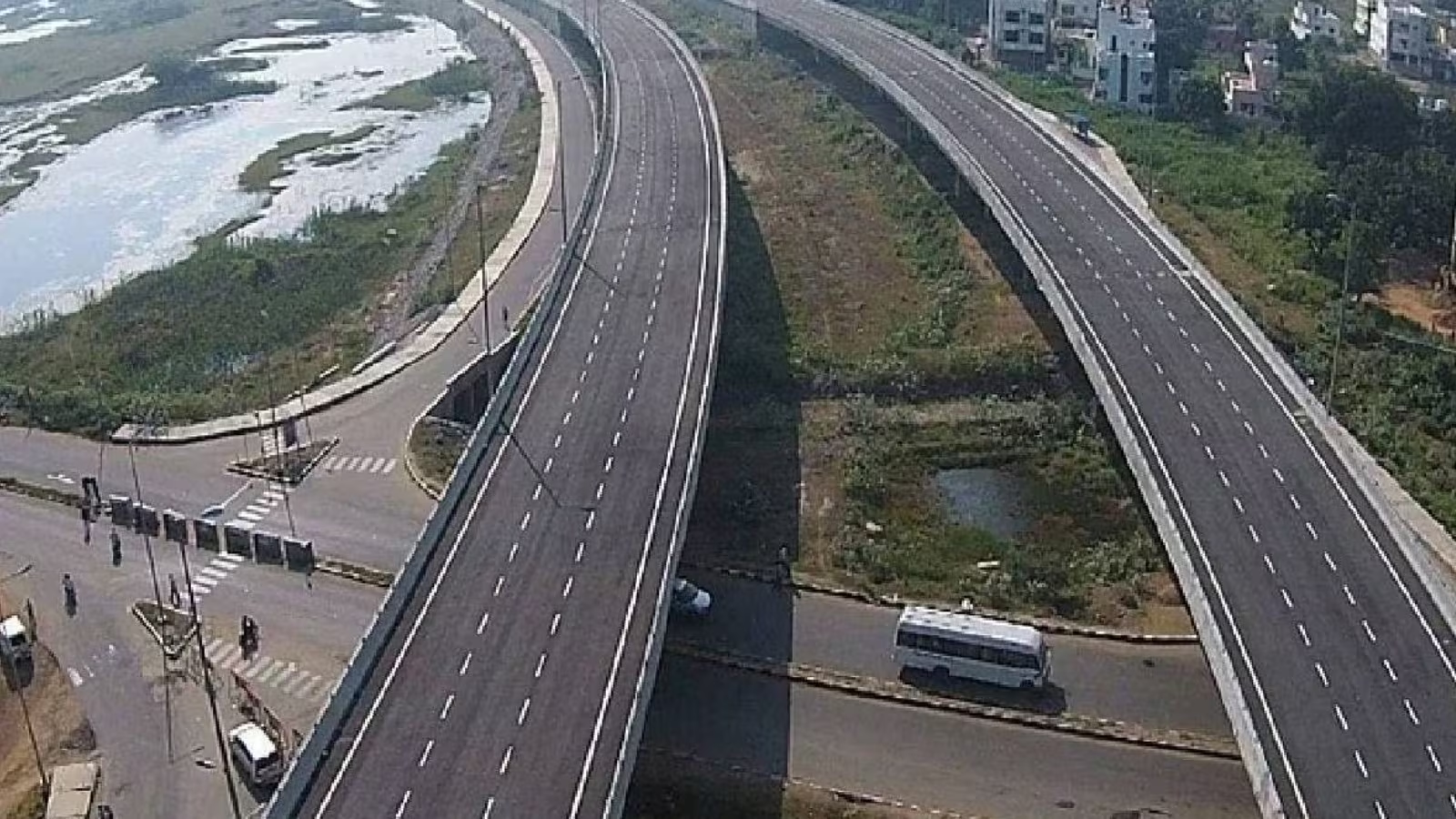
A major transport overhaul is being planned along the eastern edge of Pune, where persistent congestion on the Pune–Shirur stretch has prompted authorities to propose a multi-layered mobility upgrade. The Pune Shirur elevated highway, combined with a potential metro extension, is being positioned as a long-term solution to ease traffic bottlenecks and improve regional connectivity.
The corridor, which connects Pune city to rapidly growing peri-urban zones in Shirur and Haveli, has witnessed a steady rise in traffic volumes due to industrial activity, residential expansion, and intercity freight movement. Daily commuters frequently face extended travel times, with peak-hour congestion affecting both economic productivity and quality of life. To address this, planners have outlined a six-lane elevated structure along National Highway 753. The Pune Shirur elevated highway is expected to separate long-distance and through traffic from local movement, allowing for smoother vehicular flow on the ground level. Transport officials suggest that grade-separated corridors of this nature can significantly reduce travel delays, particularly on mixed-use highways where local access points disrupt traffic continuity.
In parallel, discussions are underway to introduce a metro-based transit solution along the same corridor. While still at a conceptual stage, the proposed alignment could extend mass rapid transit connectivity into eastern growth zones, offering an alternative to road-based commuting. Urban mobility experts argue that integrating high-capacity public transport with highway upgrades is essential to avoid simply shifting congestion from one location to another. The dual approach reflects a broader shift in infrastructure planning, where road expansion alone is no longer seen as sufficient in fast-growing metropolitan regions. By combining the Pune Shirur elevated highway with a potential metro link, authorities appear to be aligning with multimodal transport strategies aimed at reducing long-term dependence on private vehicles.
The implications extend beyond mobility. Improved connectivity is likely to accelerate real estate development along the corridor, particularly in logistics parks, warehousing clusters, and affordable housing segments. However, planners caution that infrastructure-led growth must be supported by zoning regulations and civic amenities to prevent unplanned sprawl. Environmental considerations will also play a critical role. Elevated highways, while efficient in reducing congestion, can increase vehicular speeds and emissions if not complemented by strong public transport usage.
Experts emphasise the need for parallel investments in non-motorised transport, green buffers, and climate-resilient design to balance mobility gains with sustainability goals. As the proposal moves through planning and approval stages, its success will depend on coordination between highway authorities, urban planners, and transit agencies. If executed with integrated design and phased implementation, the project could redefine how Pune manages expansion along its high-growth corridors while addressing long-standing commuter concerns.
Pune Shirur Traffic Plan Targets Congestion Relief