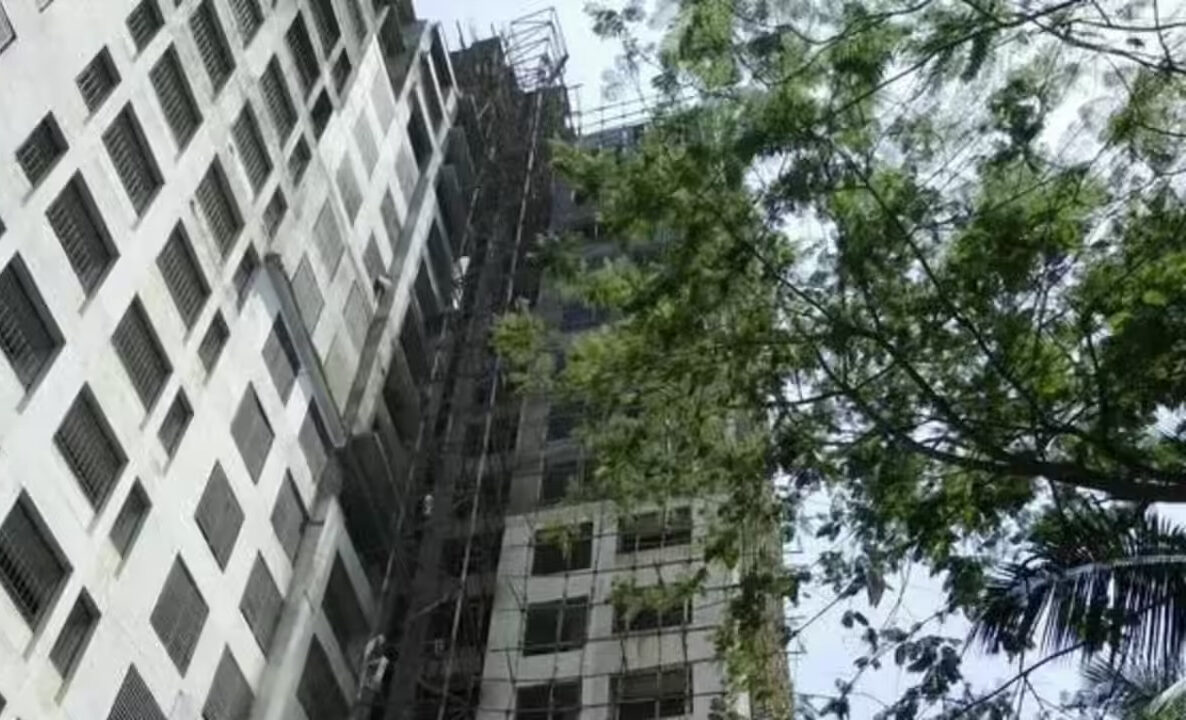
Residents in Chhatrapati Sambhajinagar have urged the state government to introduce property tax relief for smaller homes, arguing that similar concessions available in Mumbai should be extended to other urban centres to ensure equitable treatment across cities.
Citizen groups and local housing advocates have submitted formal representations seeking a waiver on residential units up to 1,000 square feet. The demand reflects growing concerns over the rising cost of urban living, particularly in tier-two cities where household incomes are lower but municipal charges continue to increase. At the centre of the debate is the issue of fiscal parity. In Mumbai, property tax exemptions for smaller homes have been positioned as a measure to support middle- and lower-income households. Residents in Sambhajinagar argue that extending property tax relief to similar-sized homes could ease financial pressure while encouraging home ownership in a city still expanding its formal housing base.
However, municipal officials highlight structural differences between the two cities. While Mumbai’s civic body benefits from one of the largest municipal budgets in Asia, Sambhajinagar’s local administration operates with significantly tighter financial resources. A senior official noted that property tax remains a critical revenue stream used to fund essential services such as water supply, waste management and road maintenance. Data from the current financial year shows that the Chhatrapati Sambhajinagar Municipal Corporation has mobilised over ₹150 crore through property tax collections, a figure that underpins much of its operational expenditure. In comparison, the Brihanmumbai Municipal Corporation manages a substantially larger financial pool, enabling it to absorb revenue concessions without immediate fiscal strain.
Urban finance experts caution that replicating tax waivers across cities without accounting for local revenue capacities could impact service delivery. Smaller municipal bodies often rely heavily on property taxes due to limited alternative income sources, including land monetisation or higher commercial tax bases. At the same time, planners argue that the demand for property tax relief raises important questions about inclusivity in urban policy. As cities expand, ensuring that taxation frameworks remain sensitive to income disparities becomes crucial for balanced growth. In emerging urban centres, targeted relief measures could support formal housing uptake and reduce the burden on informal settlements.
The issue also intersects with broader discussions on sustainable urban governance. Reduced tax revenues, if not offset through alternative funding, could constrain investments in climate-resilient infrastructure, including drainage upgrades, green spaces and energy-efficient public systems—areas that are increasingly critical for cities facing environmental stress. For now, the proposal is expected to be evaluated at both municipal and state levels. Its outcome could set a precedent for how fiscal policy is adapted across cities with differing economic capacities.
As urban India continues to evolve, the challenge will lie in balancing citizen affordability with the financial sustainability of civic bodies—ensuring that tax reforms support both inclusive growth and resilient city infrastructure.
Sambhajinagar Housing Groups Call For Property Tax Exemption