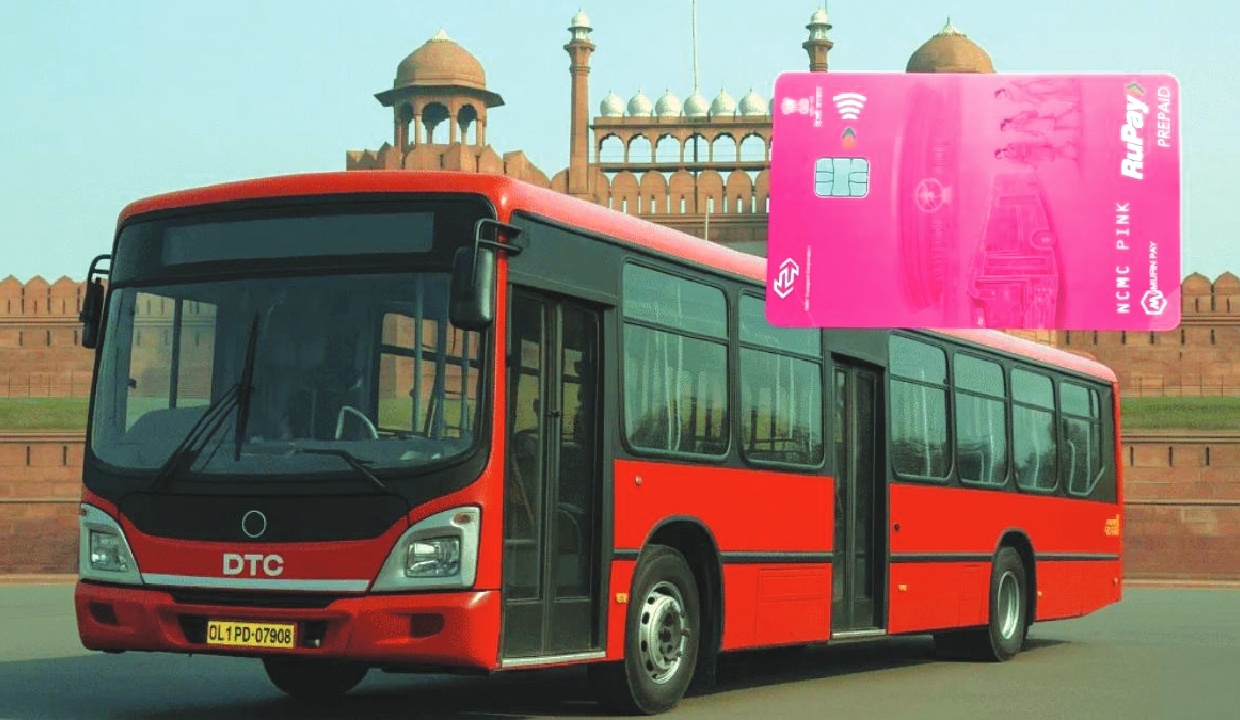
Delhi Pink Bus Tickets Continue During Smart Card Transition
The Delhi pink bus tickets programme that allows women to travel free on public buses will remain in operation for the next three months as the city gradually shifts to a digital smart card system. Authorities say the extension aims to prevent disruption for commuters while the capital rolls out a new mobility card designed to streamline fare management and improve transparency across the public transport network. Officials overseeing the transition say women passengers can continue using the existing ticket-based system while also applying for the new smart card at designated centres across the city. The interim arrangement is intended to ensure that daily commuters are not forced to rush to registration centres while the card distribution process is still expanding.
The Delhi pink bus tickets initiative, introduced to encourage women’s access to public transport, currently allows eligible passengers to travel free on buses operated by the city transport corporation and privately operated cluster services. The policy has been widely viewed by urban mobility experts as an important step in improving accessibility and safety for women travelling across the capital. Transport officials say the new smart card system is designed to gradually replace the paper ticket format. The card will function as a digital mobility pass that can be validated electronically when boarding buses, helping authorities track usage patterns and manage subsidies more efficiently. To facilitate the transition, around 50 authorised enrolment centres have been set up at administrative offices and transport corporation premises. Residents eligible for the card can visit these locations to complete registration procedures and receive their cards without paying any fee. However, long queues were reported at several centres in recent days, reflecting high demand among commuters eager to secure the card early. Authorities say the extension of the Delhi pink bus tickets programme should reduce pressure on registration facilities by allowing women to continue using the existing system while they apply at their convenience.
Urban mobility specialists say the shift toward smart cards reflects a broader trend in Indian cities to digitise public transport payments. Integrated fare systems can improve operational transparency, reduce misuse and enable transport planners to better understand commuter behaviour. The smart card initiative is also linked to a wider effort to introduce interoperable mobility payments across different modes of transport. Over time, such systems could enable passengers to use a single card across buses, metro services and other forms of urban transport. Experts say the continued availability of Delhi pink bus tickets during the transition period is essential to maintaining confidence in public transport systems. Sudden policy changes without adequate preparation can discourage commuters from using buses, particularly women who rely on subsidised travel options. Improving women’s access to affordable mobility is also considered a key component of inclusive urban planning. Public transport systems that are financially accessible and safe encourage greater workforce participation, education access and social mobility. Urban planners note that Delhi’s bus network remains a critical component of the city’s transport ecosystem. Buses carry millions of passengers daily and serve areas that may not be directly connected by metro services.
As the rollout of smart cards progresses, authorities say the paper-based Delhi pink bus tickets system will eventually be phased out once most eligible residents have obtained their cards. For now, the temporary overlap between both systems is expected to provide flexibility and prevent inconvenience for daily commuters.