


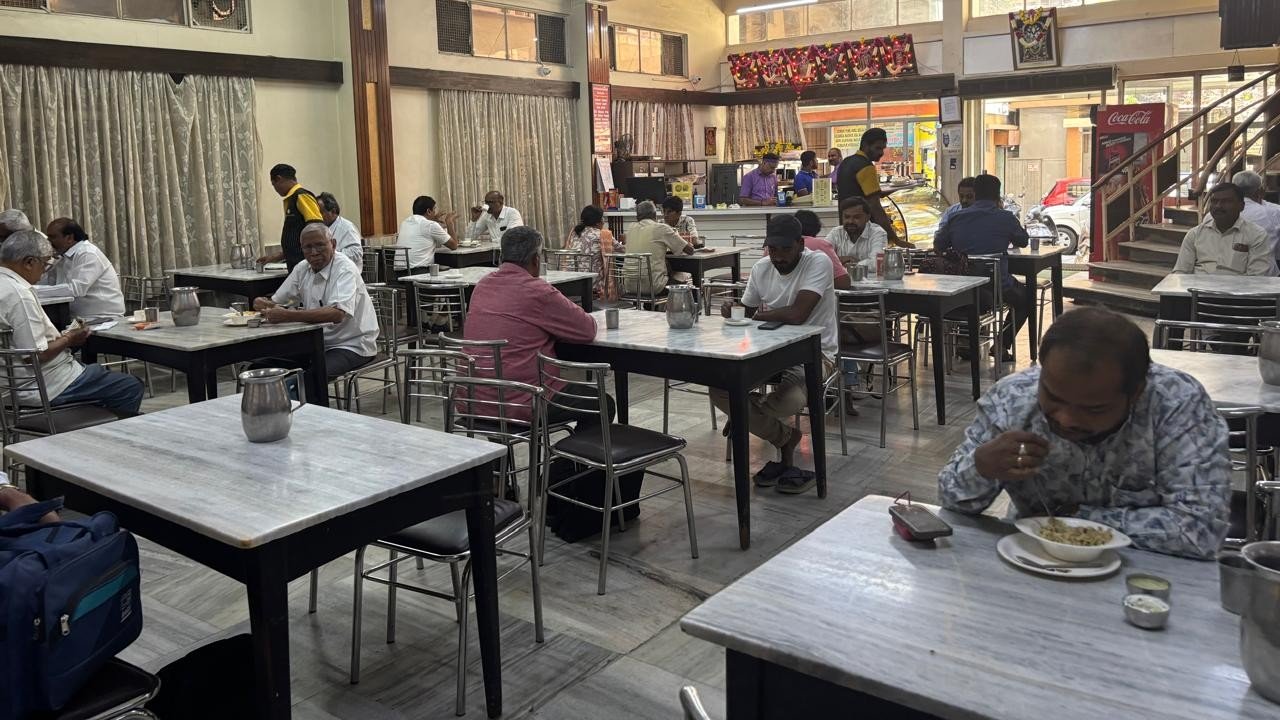
Bengaluru Restaurants Grapple With Commercial Fuel Shortage
Food businesses across Bengaluru are facing operational disruptions as irregular availability of commercial cooking fuel begins to affect thousands of restaurants, cafés and small eateries in the city.
Industry groups say the ongoing Bengaluru LPG supply crisis has created uncertainty for hospitality establishments that rely heavily on liquefied petroleum gas for daily kitchen operations.Restaurant associations estimate that tens of thousands of food outlets operate across Bengaluru’s metropolitan area, serving office districts, residential neighbourhoods and technology hubs. With cooking gas deliveries reportedly limited in recent days, many establishments say they are struggling to maintain regular service schedules.Hospitality sector representatives indicate that the volume of available cylinders currently being distributed is significantly lower than the daily requirement for the city’s large food service industry. Even temporary disruptions can have an immediate impact because restaurants typically maintain limited on-site storage for safety and regulatory reasons.The Bengaluru LPG supply crisis highlights how essential urban service sectors remain vulnerable to disruptions in energy supply chains. In fast-growing metropolitan economies like Bengaluru, the food service industry forms a crucial part of the local urban ecosystem. Restaurants not only support employment across supply chains but also play an important role in sustaining the city’s office districts, student populations and residential communities.
Urban economists note that Bengaluru’s hospitality sector has expanded rapidly over the past decade, mirroring the city’s growth as a technology and startup hub. From small neighbourhood eateries to large dining establishments in commercial districts, the industry supports thousands of workers and contributes significantly to the local service economy.However, the current Bengaluru LPG supply crisis has revealed how dependent commercial kitchens remain on a single fuel source. LPG is widely used because it offers relatively clean combustion and is suitable for high-volume cooking. Yet disruptions in distribution networks can quickly affect businesses that rely on consistent daily supply.Energy policy analysts suggest that cities may need to diversify energy options for commercial kitchens in the long term. Alternatives such as piped natural gas systems or electric induction technologies are increasingly being explored in several urban regions. These options could reduce dependence on cylinder-based supply chains while also supporting cleaner urban energy systems.Restaurant operators say prolonged supply constraints could affect not only business operations but also food prices, particularly in areas where eateries operate on thin margins. Small establishments and roadside food outlets are often the most vulnerable, as they have fewer resources to manage supply fluctuations.
For urban policymakers, the situation underscores the importance of strengthening essential urban supply networks that support everyday economic activity. Reliable access to cooking fuel is a basic requirement for a city’s hospitality sector, which in turn sustains employment and affordable food access for residents.As authorities work to stabilise the situation, industry groups say consistent fuel distribution will be essential to ensure that Bengaluru’s vast network of eateries can continue operating without prolonged disruption.
Also Read:Chennai Port Rooftop Solar Project Moves Forward
